India's Stock Exchanges- History, Structure and Market Dynamics

Written by Pradnya Surana
Published on March 18, 2026 | 6 min read
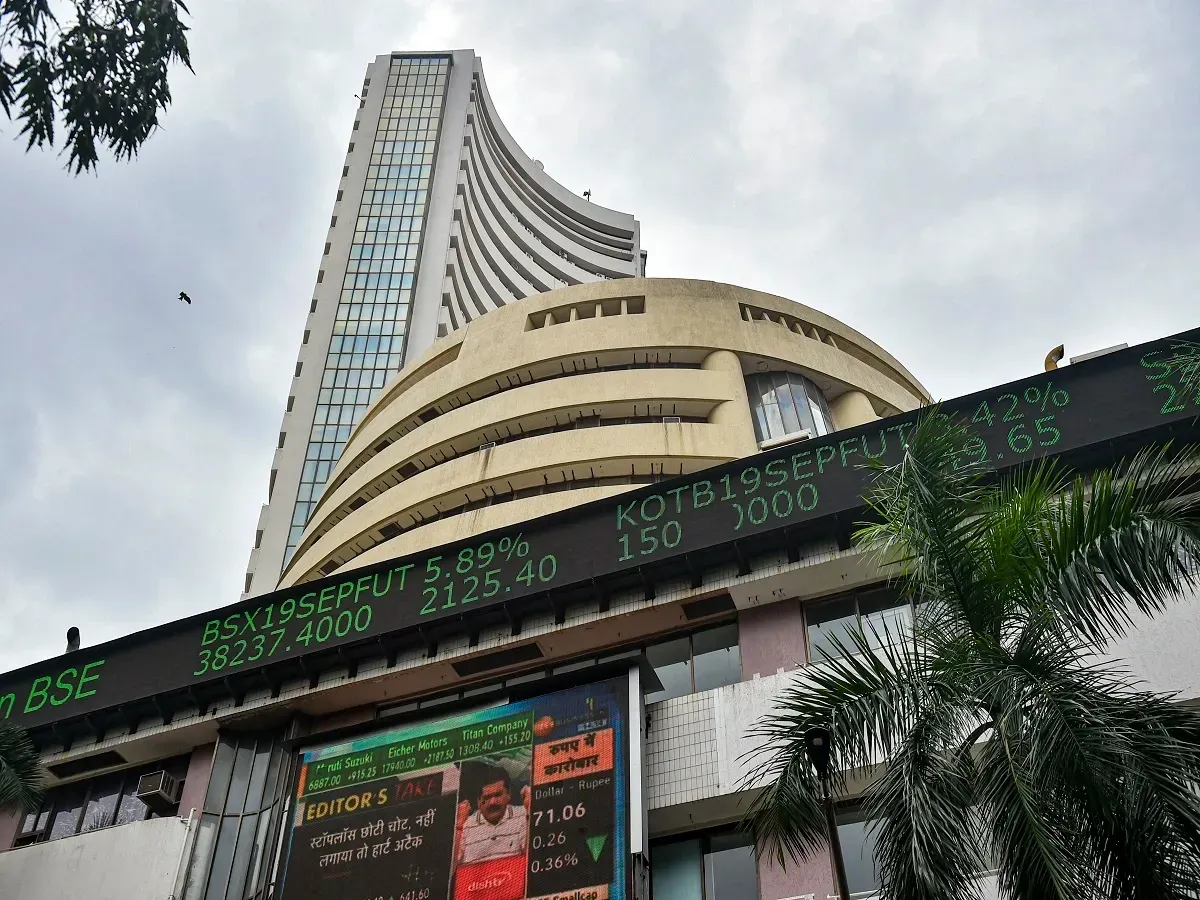

The Bombay Stock Exchange, established in 1875, is Asia’s oldest stock exchange. It began with traders meeting under a banyan tree in Mumbai and evolved into one of the world’s established financial institutions. Regional exchanges followed, including the Calcutta Stock Exchange and Madras Stock Exchange. These supported local capital formation. With the rise of electronic trading and nationwide connectivity, most regional exchanges became inactive. The major shift came in the 1990s. The Securities and Exchange Board of India was established under the SEBI Act, 1992. The National Stock Exchange of India, launched in 1992, introduced fully electronic, screen-based trading and expanded market access across India.
Major Stock Exchanges in India
National Stock Exchange of India
NSE is the largest stock exchange in India by trading volume and dominates equity and derivatives markets. 2,600+ listed companies Benchmark index- Nifty 50 23 crore unique trading accounts (July 2025) Ranked third globally in equity trades by WFE (2025) Largest derivatives exchange globally by contracts traded with 50.6% share Currently unlisted, IPO expected
Bombay Stock Exchange
BSE remains critical due to its scale and legacy. 5,600+ listed companies, highest in India Benchmark index- Sensex Strong IPO and SME platform presence Listed on NSE Growing derivatives segment, especially index options
Multi Commodity Exchange of India
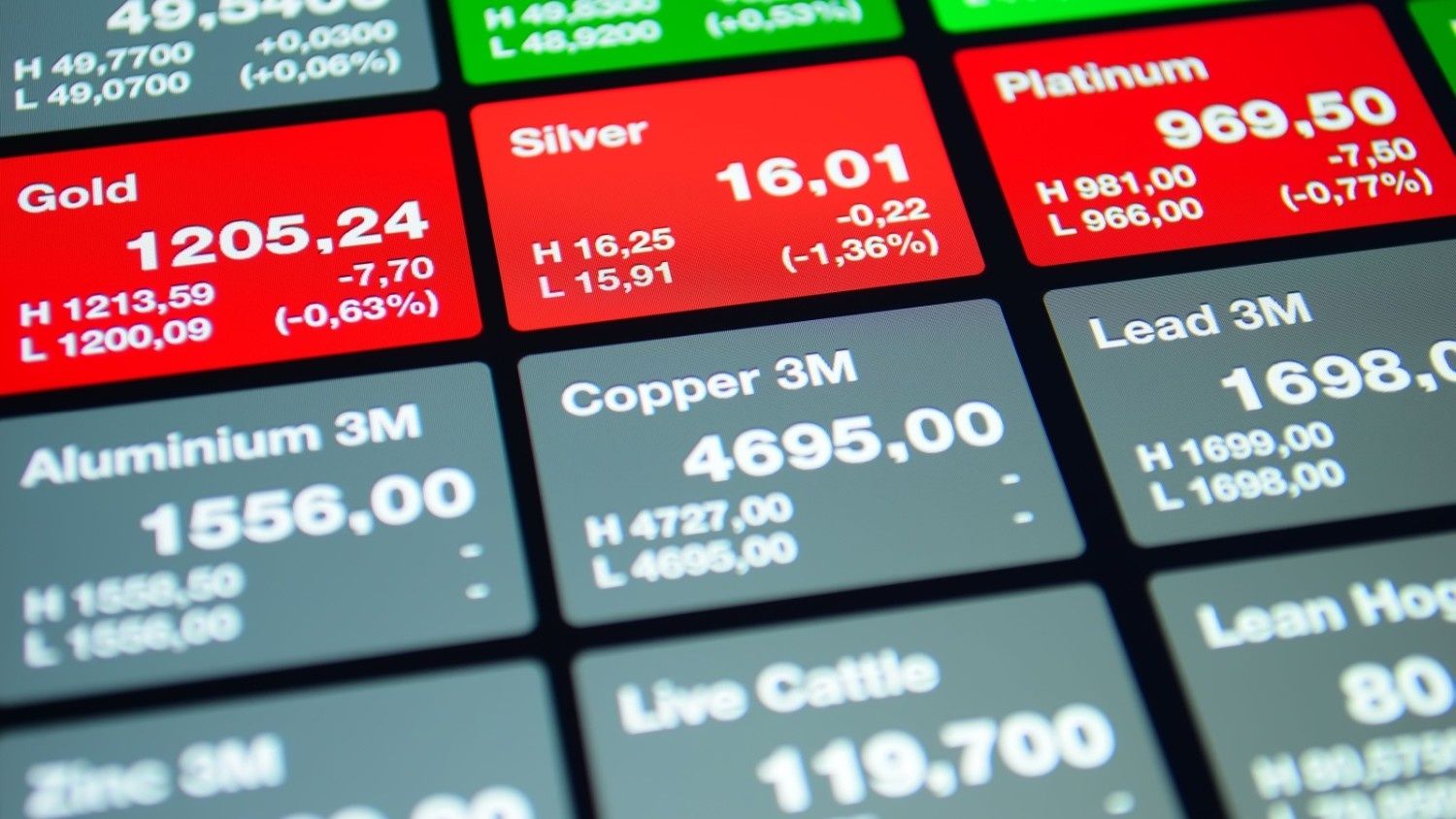
MCX is India’s leading commodity derivatives exchange. Trades gold, crude oil, silver, metals Over 90% share of commodity derivatives turnover (FY25) Important platform for price discovery and hedging Listed on BSE Other exchanges include National Commodity and Derivatives Exchange for agriculture and Metropolitan Stock Exchange of India with limited presence. India INX and NSE IFSC operate in GIFT City for global investors.
NSE vs BSE vs MCX- Comparison
| Feature | NSE | BSE | MCX |
|---|---|---|---|
| Established | 1992 | 1875 | 2003 |
| Segment | Equity + Derivatives | Equity + SME | Commodities |
| Listings | 2,600+ | 5,600+ | N/A |
| Index | Nifty 50 | Sensex | iCOMDEX |
| Liquidity | Highest | Moderate | High in commodities |
| Daily Turnover | ₹1.5 lakh crore+ | Growing | ₹30,000+ crore |
| Listed | No | Yes | Yes |
| Best Use | Active trading | IPOs, broad exposure | Hedging, commodities |
NSE vs BSE- What Should Investors Choose?
For most investors, there is no need to choose between NSE and BSE since brokers provide access to both.
- Liquidity- NSE offers tighter spreads and better execution, making it preferred for active traders
- Listings- BSE has more companies, useful for small and mid-cap investing and SME IPOs
- Beginners- Both exchanges are equally accessible
In practice, brokers often route orders to the exchange offering better pricing. For commodity trading, MCX requires a separate commodity account.
Trade Volumes and Why They Matter
India’s trading activity is highly concentrated on the National Stock Exchange of India. As of FY25–2026, the exchange records over 11 to 12 crore derivative contracts traded daily on average in the F&O segment, while the equity cash segment sees average daily turnover of over ₹1.2 to ₹1.5 lakh crore (Source: NSE market statistics and activity reports). The NSE also ranks among the largest derivatives exchanges globally by number of contracts traded, according to the World Federation of Exchanges (2025 data). Higher liquidity leads to tighter bid-ask spreads, faster execution and lower trading costs. In low-volume stocks, large trades can move prices significantly, making liquidity a key factor that directly impacts investor returns and execution quality.
How Stock Exchanges Work in India
- Investors place orders through brokers
- Orders are routed to exchanges like NSE or BSE
- Matching happens electronically
- Clearing corporations settle trades India follows a T+1 settlement cycle, where funds and securities are settled within one working day. This system was fully implemented in 2023 and improves capital efficiency.
How Retail Investors Interact with Exchanges
Retail investors cannot directly access exchanges. The process involves-
- Opening a demat and trading account with a broker
- Placing orders through broker platforms
- Trades executed on exchange systems
- Settlement via clearing corporations and depositories
- Depositories such as Central Depository Services Limited and National Securities Depository Limited hold securities electronically.
By March 2026, India had over 19.24 crore demat accounts, reflecting rapid growth in retail participation.
Stakeholders in the Ecosystem
The functioning of stock exchanges in India depends on a well-defined synergy and framework of participants. From regulation and trade execution to settlement and custody of securities, these stakeholders work together to maintain market integrity and investor confidence.
Market participants are,
SEBI – Regulates markets under the SEBI Act, 1992 and SECC Regulations, 2018 Exchanges – Provide trading platforms Clearing corporations – Ensure settlement and manage risk Depositories – Hold securities in demat form Brokers – Provide market access Companies – Raise capital via listings
Regulatory Framework and Investor Protection
Indian markets are tightly regulated.SEBI oversees trading, disclosures, and risk management. RBI regulates monetary policy and debt markets. Exchanges implement circuit limits, margin rules, and surveillance systems
Investor protections include
Investor Protection Fund (IPF)- Compensation in case of broker default SCORES platform- Online grievance system for investors These mechanisms ensure transparency, accountability and investor safety.
##Why Stock Exchanges Matter Stock exchanges enable efficient price discovery, facilitate easy buying and selling of securities, help companies raise capital, and provide access to a wide range of asset classes including equities, derivatives, and commodities. For investors, they provide transparency, liquidity and regulatory protection. India’s exchange ecosystem with over 19 crore demat accounts, is among the most advanced in emerging markets.
FAQs
1) Can the same stock be traded on both NSE and BSE?
Yes. Many companies are listed on both exchanges. Prices may differ marginally due to real-time supply and demand, but arbitrageurs keep the gap narrow.
2)Which exchange should I choose, NSE or BSE?
Most brokers automatically route your order to the exchange offering the best price. If you are trading actively in equities or derivatives, NSE offers deeper liquidity. BSE is relevant for stocks listed only there, or for SME IPO participation.
3) What happens if a stock is delisted?
It can no longer be traded on that exchange. SEBI mandates that delisting offers a fair exit price to investors, calculated using prescribed methods.
4) Are stock exchanges open on all weekdays?
Trading days are Monday to Friday, excluding public holidays declared by the exchange. MCX has extended trading hours compared to equity exchanges.
5) How do exchanges ensure fair trading?
Through automated surveillance systems, circuit breakers, margin rules, and SEBI's regulatory oversight,combined with investor redress mechanisms like SCORES and the IPF.
About Author
Pradnya Surana
Sub-Editor
is an engineering and management graduate with 12 years of experience in India’s leading banks. With a natural flair for writing and a passion for all things finance, she reinvented herself as a financial writer. Her work reflects her ability to view the industry from both sides of the table, the financial service provider and the consumer. Experience in fast paced consumer facing roles adds depth, clarity and relevance to her writing.
Read more from Pradnya
















Upstox is a leading Indian financial services company that offers online trading and investment services in stocks, commodities, currencies, mutual funds, and more. Founded in 2009 and headquartered in Mumbai, Upstox is backed by prominent investors including Ratan Tata, Tiger Global, and Kalaari Capital. It operates under RKSV Securities and is registered with SEBI, NSE, BSE, and other regulatory bodies, ensuring secure and compliant trading experiences.
Related articles

Share Market
India's LPG Crisis Is the Wake-Up Call. Renewables Are the Answer6 min read | Written by Pradnya Surana
Share Market
What is the Difference Between Small Gain & Capital Gain?4 min read | Written by Dev Sethia

Share Market
Types of Stocks: Large Cap, Mid Cap, Small Cap Explained5 min read | Written by Pradnya Surana



Share Market
How Dividends Help You Earn Passive Income From the Stock Market3 min read | Written by Pradnya Surana