Action Price Trading: Strategy & Benefit

Written by Upstox Desk
Published on January 30, 2026 | 5 min read
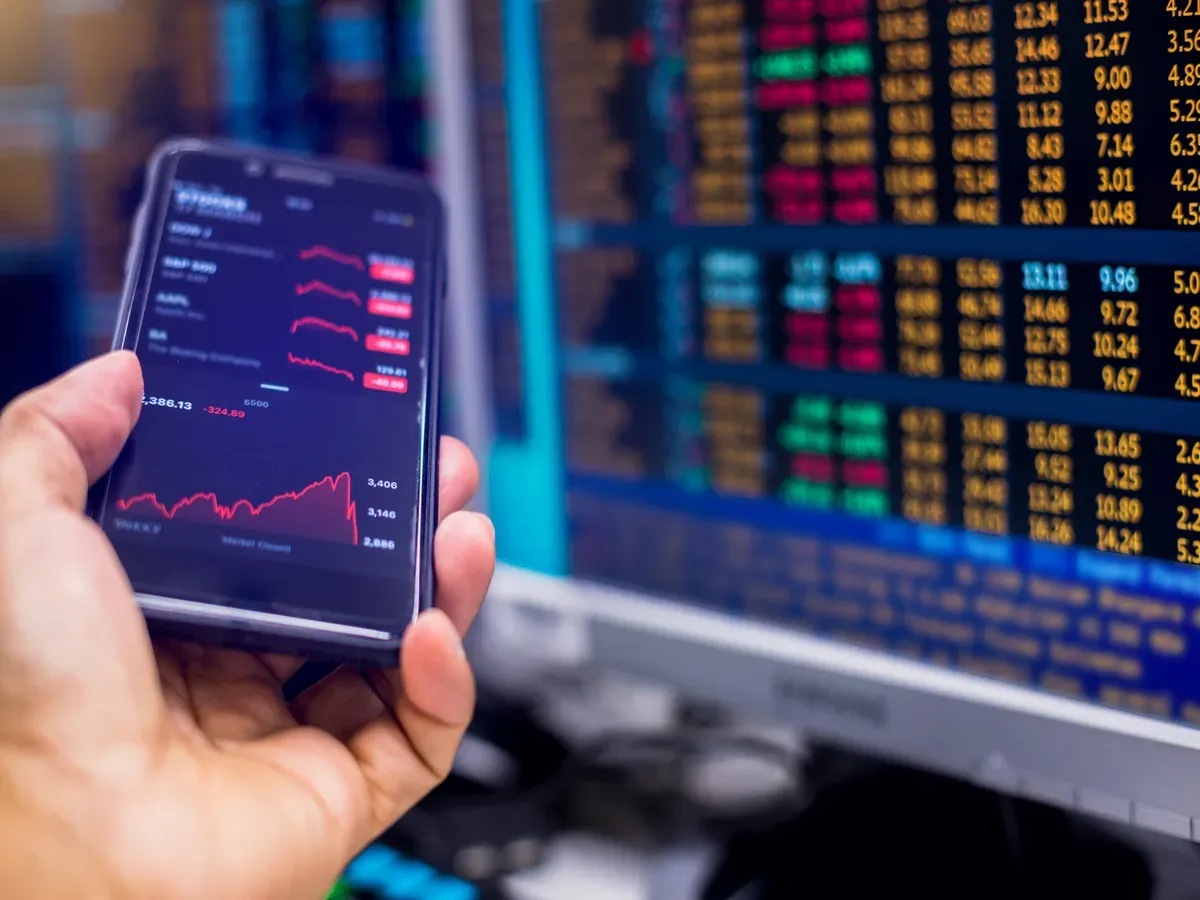

Do you want to start full-time trading on the stock exchange, but don't know where to begin? Do you also get intimidated by charts, diagrams, candles, and all other technical analysis tools used by traders and analysts? Here's some good news for you. There are effective strategies that ensure you make the most of the technical indicators, and at the same time, these are very easy to use.
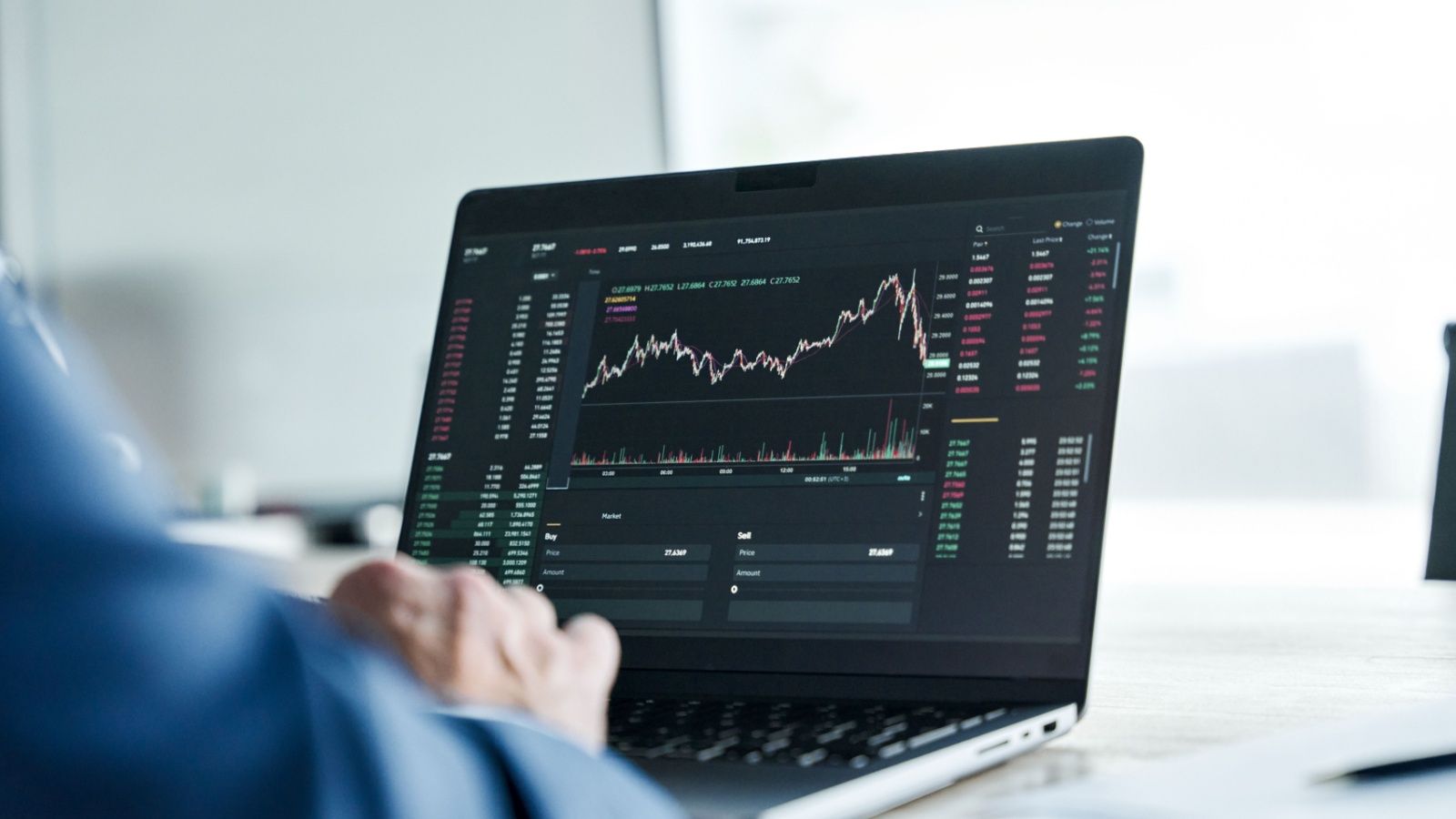
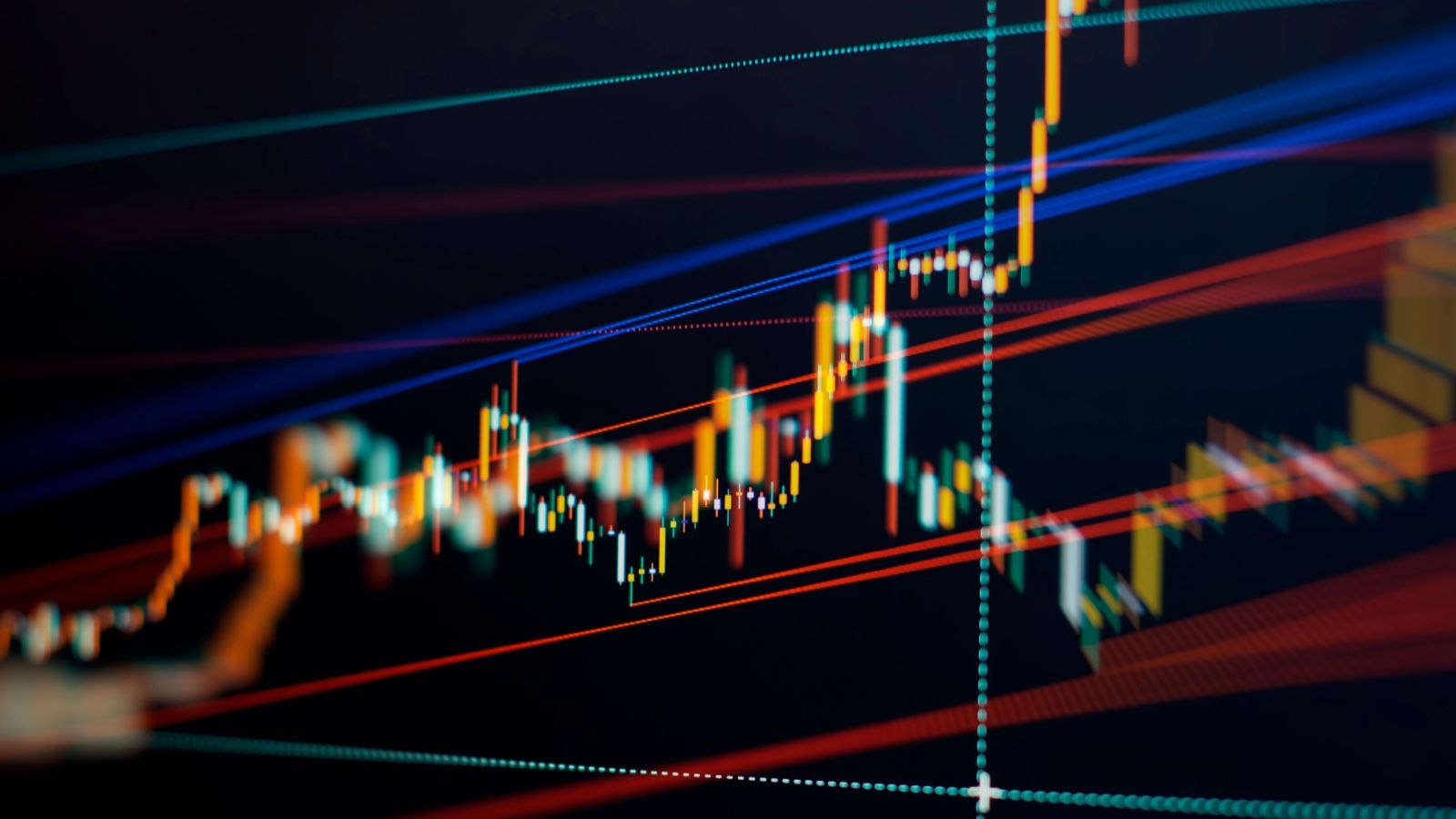
One such strategy is Action Price Trading, also known as the Price Action Strategy, where traders make decisions based solely on the movement of an asset’s price over time, without relying heavily on technical indicators. Traders utilise charts and patterns to identify various patterns, including trends, support, and resistance. All this is used to predict future movements. The strategy is straightforward, and with the easy availability of real-time data related to companies, it has gained popularity.
Let us walk you through everything you need to know about Action Price Strategy.
How Action Price Strategy Works?
Before you start using the strategy, it is important to understand that you should have a basic understanding of how to read a chart and some other fundamental jargon of the stock market. Here is how you can use the strategy:
-
Price as the Key Signal: Traders rely only on an asset’s price movements, without using technical indicators.
-
Market Information is Priced In: All fundamentals and sentiments are reflected in price charts.
-
Focus Areas:
-
Identifying trends (uptrend, downtrend, sideways).
-
Spotting support and resistance levels (price floors and ceilings).
-
Watching for breakouts and retracements.
-
Reading candlestick patterns for potential reversals or continuations.
-
Market Psychology: Price reflects the collective actions and emotions of buyers and sellers.
-
Time Frame Flexibility: Works across intraday, short-term, and long-term charts.
-
Asset Versatility: Applicable to stocks, forex, commodities, and more.
-
No Indicator Lag: Decisions are based on current, real-time data for greater precision and accuracy.
Hence, you can see that it is a quite straightforward strategy which is highly effective for intraday trading. Let us now move towards the key strategy within the Action Price Trading method.
Key Strategies in Price Action Trading
Here is a table describing the most popular and key strategies used in Price Action Trading:
Popular Trading Strategies
| Strategy | Description |
|---|---|
| Breakout Trading | Enter when the price breaks above resistance or below support, signalling a momentum or trend change. |
| Pullback (Retracement) | Trade after a temporary reversal within the main trend, at key support/resistance levels. |
| Support & Resistance | Buy near support and sell near resistance, based on historical price reversal zones. |
| Candlestick Patterns | Use patterns such as Pin Bar, Engulfing, or Doji to identify potential reversals or continuations. |
| Trend Following | Trade in the direction of the current trend by identifying higher highs/lows or lower highs/lows. |
| Range Trading | In sideways markets, trade between established support and resistance zones: buy low, sell high. |
Benefits of Action Price Trading
Here are the most common benefits of using Price Action Trading:
-
It is very simple and there is no need to clutter the chart with multiple technical indicators. The strategy focuses on price, making the entire analysis clean and simple.
-
It facilitates real-time decision-making by utilising current data and eliminating lag. Traders react quickly to market changes.
-
It helps traders develop a better understanding of the market by building a deeper insight into market psychology through observing buyer-seller behaviour.
-
This strategy may be used across different markets such as stocks, forex, commodities, and indices.
-
It is adaptable for all time frames and suitable for intraday, swing, and long-term traders alike.
-
Being simple and effective, the strategy helps build financial and trading discipline over periods.

Price action trading stands out as a practical, intuitive approach for traders seeking clarity and confidence in their decisions. By focusing purely on price movements and key patterns, it helps cut through the noise of lagging indicators and builds a better understanding of market behaviour. Its adaptability across markets, time frames, and conditions makes it suitable for both beginners learning the ropes and seasoned traders refining their edge. For anyone aiming to trade with discipline, simplicity, and precision, price action trading is a timeless strategy worth exploring and mastering.
FAQs
What is price action trading in simple terms?
Price action trading involves making decisions solely based on price movements, without relying on technical indicators.
Is price action trading good for beginners?
Yes, its simplicity and clarity make it suitable for beginners who want to understand market behaviour.
Which time frame is best for price action trading?
It can work across all time frames, but many traders prefer 1-hour or daily charts for clearer patterns.
Can price action trading be used in forex and stocks?
Yes, price action trading works effectively in all markets, including stocks, forex, and commodities.
Does price action trading really work?
Many traders find it effective as it focuses on real-time market psychology and clean chart analysis.
About Author
Upstox Desk
Upstox Desk
Team of expert writers dedicated to providing insightful and comprehensive coverage on stock markets, economic trends, commodities, business developments, and personal finance. With a passion for delivering valuable information, the team strives to keep readers informed about the latest trends and developments in the financial world.
Read more from Upstox














Upstox is a leading Indian financial services company that offers online trading and investment services in stocks, commodities, currencies, mutual funds, and more. Founded in 2009 and headquartered in Mumbai, Upstox is backed by prominent investors including Ratan Tata, Tiger Global, and Kalaari Capital. It operates under RKSV Securities and is registered with SEBI, NSE, BSE, and other regulatory bodies, ensuring secure and compliant trading experiences.
Related articles

Share Market
India's LPG Crisis Is the Wake-Up Call. Renewables Are the Answer6 min read | Written by Pradnya Surana
Share Market
What is the Difference Between Small Gain & Capital Gain?4 min read | Written by Dev Sethia

Share Market
Types of Stocks: Large Cap, Mid Cap, Small Cap Explained5 min read | Written by Pradnya Surana



Share Market
How Dividends Help You Earn Passive Income From the Stock Market3 min read | Written by Pradnya Surana