Callable vs Non-Callable

Written by Pradnya Surana
Published on December 24, 2025 | 3 min read
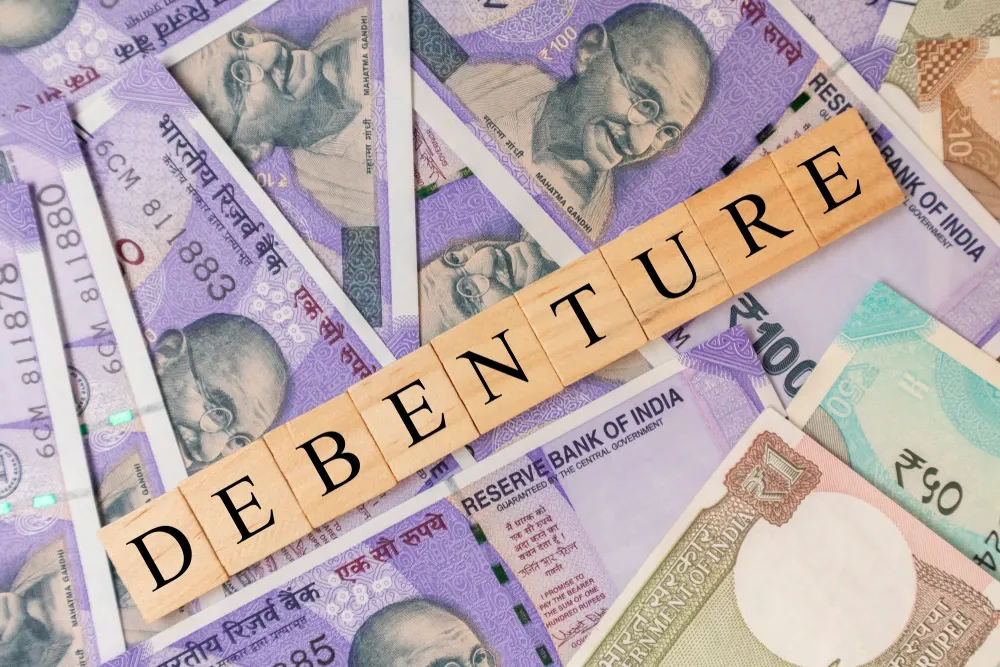

Non-Convertible Debentures (NCDs), for investors, are an instrument that offers a fixed rate of return. They are issued by companies to raise capital from investors. Now the question arises, if companies want to raise capital, why not issue more equity shares?
For this, it is important to understand that when a company issues more equity shares, it is giving away a part of ownership. So, the company issues NCDs because it wants money without losing ownership, control, or affecting the share price. Also, often, debt is cheaper and more flexible than equity.
When you invest in an NCD, you are giving a loan to the company and in return, the company promises to pay you a fixed rate of interest at periodic intervals (monthly, quarterly or annually).
Understanding the Basics
When investing in Non-Convertible Debentures (NCDs), one important feature to understand is whether they are callable or non-callable. The difference significantly affects your investment returns, tenure and overall experience.
What Are Callable NCDs?
Callable NCDs give the issuing company the right to stop or buy back the debentures before the maturity date. The company can exercise this call option after a specified period, known as the call protection period. For example, if you invest in a 10-year callable NCD with a 3-year call protection period, the company, after 3 years, can anytime stop and liquidate your NCD. Companies issue callable NCDs to maintain financial flexibility. The logic can be, if interest rates become lower in the market, the company can call back the high-interest NCDs and reissue new ones at lower rates. This reduces their borrowing costs.
What Are Non-Callable NCDs?
Non-callable NCDs do not give the issuing company any right to stop the debentures before maturity. Once you invest, the company must continue to the full tenure and pay the interest until the maturity date. Your investment remains locked in for the entire period specified at the time of issue. This provides certainty about the investment duration and the total returns you will receive.
Difference between Callable vs Non-Callable NCDs
| Feature | Callable NCDs | Non-Callable NCDs |
|---|---|---|
| Interest rates | Higher interest rates (usually 0.25% to 1% more) to compensate for early redemption risk | Lower compared to callable NCDs since there is no early redemption option |
| Investment certainty | Lower certainty, as the company can redeem early, changing your investment duration | High certainty, tenure and returns remain fixed until maturity |
| Reinvestment risk | High. If redeemed early during low-interest periods, you may struggle to reinvest at similar rates | No reinvestment risk, funds stay invested at the agreed rate until maturity |
| From the company’s perspective | Offers flexibility to reduce debt when market interest rates fall or conditions change | Less flexible, the company must continue paying the agreed rate for the entire tenure |
In a nutshell, callable NCDs usually give higher interest because the company has the right to take back your money early. Non-callable NCDs are more predictable because the company cannot stop them early, so you know exactly how long your money will stay invested and what you will earn. From the company’s point of view, callable NCDs give them more flexibility to reduce their debt when interest rates change.

While investing in NCDs, first find out if it's callable or non-callable. Carefully read the offer document to understand the call provisions. Check when the company can exercise the call option, how much notice they provide and whether there are any fines or charges.
About Author
Pradnya Surana
Sub-Editor
is an engineering and management graduate with 12 years of experience in India’s leading banks. With a natural flair for writing and a passion for all things finance, she reinvented herself as a financial writer. Her work reflects her ability to view the industry from both sides of the table, the financial service provider and the consumer. Experience in fast paced consumer facing roles adds depth, clarity and relevance to her writing.
Read more from Pradnya




















Upstox is a leading Indian financial services company that offers online trading and investment services in stocks, commodities, currencies, mutual funds, and more. Founded in 2009 and headquartered in Mumbai, Upstox is backed by prominent investors including Ratan Tata, Tiger Global, and Kalaari Capital. It operates under RKSV Securities and is registered with SEBI, NSE, BSE, and other regulatory bodies, ensuring secure and compliant trading experiences.
Related articles
Personal Finance
India’s New GDP Series With Revised Base Year 2022-23: How it Impact Investors?4 min read | Written by Subhasish Mandal

Personal Finance
LPG Shortage in India: Energy, Inflation and Equity Loop3 min read | Written by Subhasish Mandal

Personal Finance
India's New CPI Series: What Changed, Its Impact on the Economy and Inflation7 min read | Written by Mariyam Sara
Personal Finance
Securities Transaction Tax (STT): Features, Importance, and Impact on Traders3 min read | Written by Subhasish Mandal



Personal Finance
Ladki Bahin Yojana eKYC: Eligibility Criteria, Application Process and How to Complete the E-KYC Process Online?3 min read | Written by Mariyam Sara

Personal Finance
What is the National Pension System (NPS) Scheme?4 min read | Written by Subhasish Mandal