LPG Shortage in India: Energy, Inflation and Equity Loop

Written by Subhasish Mandal
Published on March 18, 2026 | 3 min read
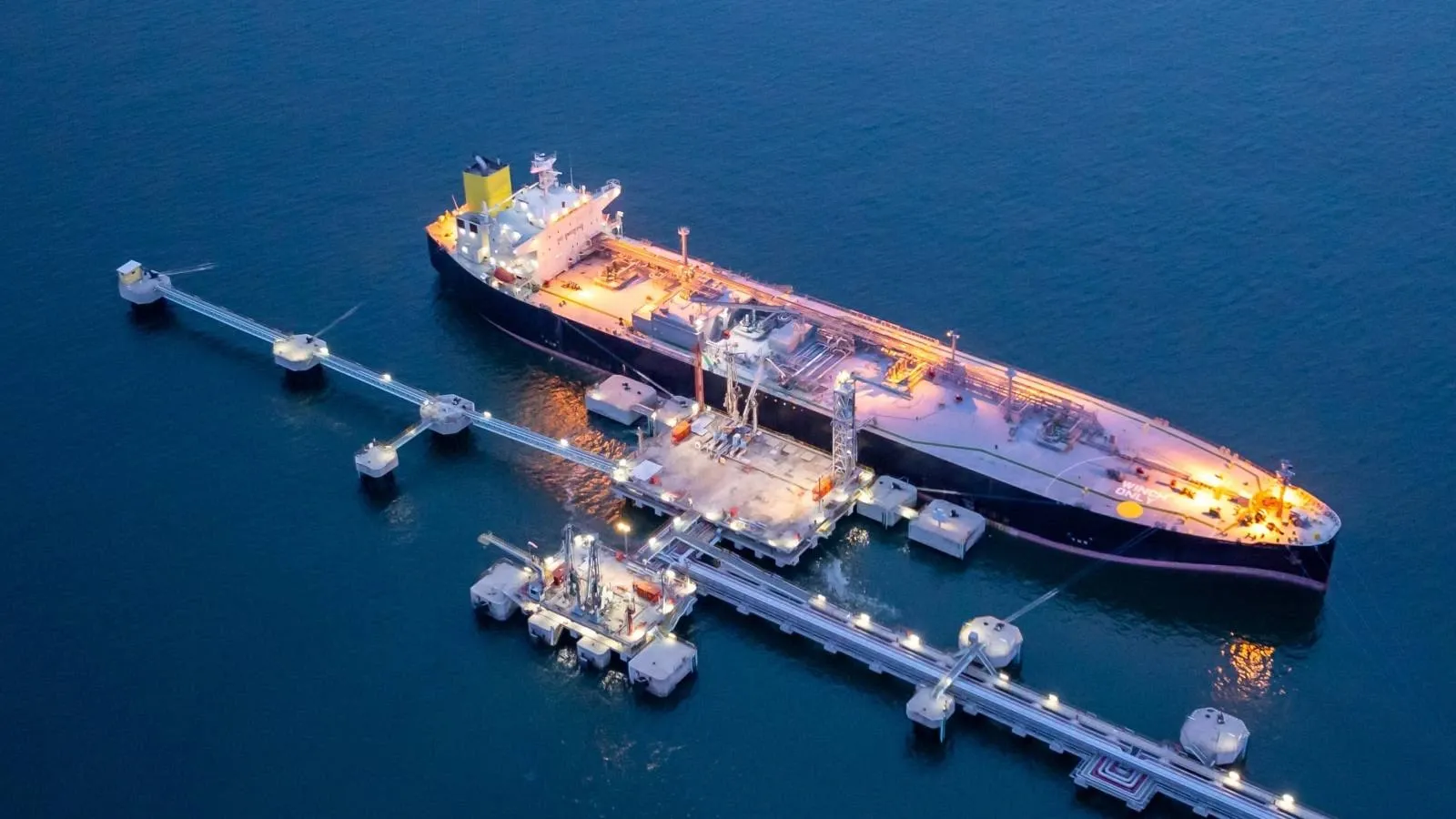

Recently, global energy markets have shown how quickly an energy shortage can have a ripple effect on the economy. One such trigger is the LPG shortage, which seemed like a localised issue first, but in reality, it triggers the chain reaction.
This reaction can be called the energy-inflation-equity loop, which directly impacts inflation, economic growth and the stock market.
Let’s see how this loop works and why it matters for retail investors.
Key Takeaways:
- LPG shortage triggers a macroeconomic chain reaction, leading to a rise in inflation.
- Due to a disruption in LPG supply, the demand increases, leading to a rise in energy prices
- A rise in LPG prices leads to a rise in inflation.
- Growth stocks suffer, which drag down the equity portfolio of investors.
What Causes a LPG Shortage?
LPG shortage in India is caused by supply disruptions in the Middle East at the Strait of Hormuz, impacting over 60% of imported supply. This supply shortage triggers the chain effect, which may lead to refinery shutdowns if conflicts are not resolved.
Since LPG is a critical household item and industrial fuel in India, the disruption immediately pushed the LPG price upward.
Energy, Inflation and Equity Loop Explained
Step 1: LPG shortage leads to a rise in energy prices
When LPG faces a shortage, the energy prices surge. It not only impacts the cooking gas cylinders, but it also spills over into transportation cost, manufacturing input cost, fertilisers and chemicals industries.
Energy is a core input across various industries, so rising LPG prices increase the cost of doing business, which will be transferred to consumers.
Step 2: Rising energy costs lead to a spike in inflation
Higher LPG and energy costs directly impact inflation. Households pay more for LPG cylinders, and fuel inflation rises.
Companies also pass higher costs to the consumers, and food prices rise due to higher logistics costs.
This creates a cost-push inflation, which is difficult to control compared to the demand-driven inflation.
Step 3: Central Bank Interference
When inflation suddenly rises, the RBI interferes by increasing the interest rate, which leads to reduced liquidity.
RBI measures can help to control inflation, but it also slows down economic growth.
Step 4: Pressure on Growth Stocks
Growth stocks in sectors like technology, startups, and new-age businesses are sensitive to interest rates because:
- Their valuation depends on future earnings
- Higher interest rates reduce the present value of cash flows
- Funding becomes expensive for expansion
As a result, growth stocks often decline during inflationary cycles. However, at the same time, energy sector stocks can perform and offset the losses.
Why Energy Stocks Can Act as a Hedge?
While the growth stocks decline, the value stocks in the energy sector often outperform. That’s why energy stocks can act as a hedge.
How do Energy Value Stocks Benefit?
-
Benefit from Higher prices: Companies involved in oil, gas and LPG distribution can increase their sales.
-
Strong Cash Flows: Energy companies generate stable and high cash flows during price spikes.
-
Low Valuation: Value stocks trade at lower valuations, making them less sensitive to interest rate changes.
How to do Asset Allocation During LPG Shortage?
During a rise in inflation, investors can do a small asset allocation to mitigate the risks. Below are a few points to consider for asset allocation:
Reduce Exposure to Overvalued Growth Stocks
You can do this by avoiding high P/E stocks and focusing on companies with strong cash flows.
Increase Allocation to Energy and Commodities Stocks
Increase allocation in companies involved in oil and gas, refinery and marketing, coal and power stocks.
Look for Value Opportunities
You can invest in low P/B and low P/E stocks with strong balance and positive cash flow.
Diversification
Build a portfolio that has defensive sector stocks and cyclicals sector stocks. Hedge the inflation risk with commodities investment like gold and silver.

The energy-inflation-equity loops show how interconnected global markets have become. An LPG shortage can lead to inflation shocks, policy tightening and a decline in the equity market.
To tackle such energy supply shortages and inflationary situations, investors should understand these cycles and adjust their portfolios accordingly.
About Author
Subhasish Mandal
Sub-Editor
Finance professional with strong expertise in stock market and personal finance writing, he excels at breaking down complex financial concepts into simple, actionable insights. Holding a Master’s degree in Commerce, he combines academic depth with practical knowledge of technical analysis and derivatives.
Read more from Subhasish


















Upstox is a leading Indian financial services company that offers online trading and investment services in stocks, commodities, currencies, mutual funds, and more. Founded in 2009 and headquartered in Mumbai, Upstox is backed by prominent investors including Ratan Tata, Tiger Global, and Kalaari Capital. It operates under RKSV Securities and is registered with SEBI, NSE, BSE, and other regulatory bodies, ensuring secure and compliant trading experiences.
Related articles
Personal Finance
India’s New GDP Series With Revised Base Year 2022-23: How it Impact Investors?4 min read | Written by Subhasish Mandal
Personal Finance
India's New CPI Series: What Changed, Its Impact on the Economy and Inflation7 min read | Written by Mariyam Sara

Personal Finance
Securities Transaction Tax (STT): Features, Importance, and Impact on Traders3 min read | Written by Subhasish Mandal


Personal Finance
Ladki Bahin Yojana eKYC: Eligibility Criteria, Application Process and How to Complete the E-KYC Process Online?3 min read | Written by Mariyam Sara
Personal Finance
What is the National Pension System (NPS) Scheme?4 min read | Written by Subhasish Mandal

Personal Finance
Corporate Bonds vs Government Securities - Which Is Better for You?3 min read | Written by Pradnya Surana