What is Flex Fuel, and how is it used?

Written by Subhasish Mandal
Published on June 17, 2026 | 6 min read

Key takeaways:
-
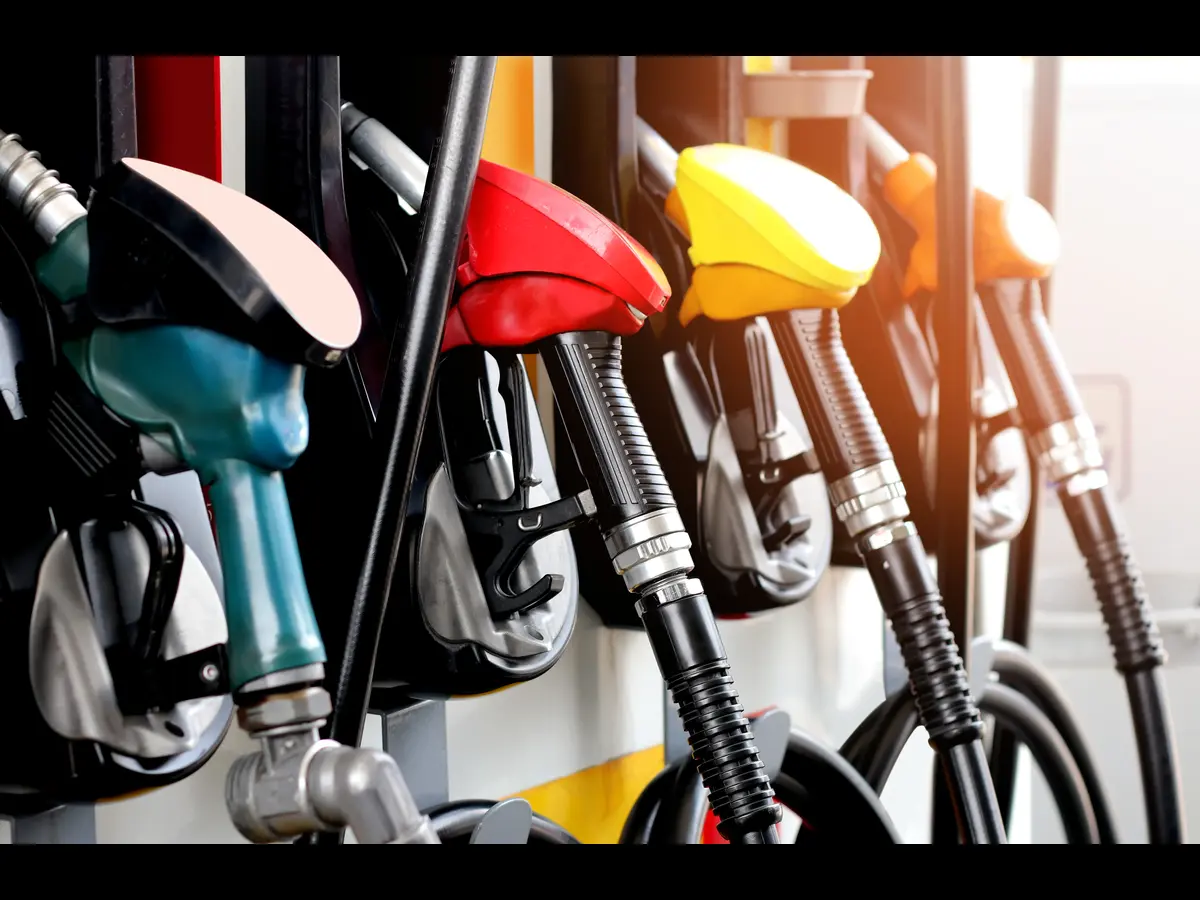
Flex fuel is a type of fuel that consists of gasoline and ethanol blended in varying proportions.
-
The most commonly used flex fuel blend globally is E85 fuel. It contains 85% ethanol and 15% gasoline.
-
Flex-fuel vehicles are those which are capable of operating on gasoline and ethanol up to 85%.
India is actively promoting cleaner and more sustainable transportation solutions to reduce its dependence on imported crude oil and lower vehicle emissions. One such alternative that is gaining attention is flex fuel.
With the government’s focus on ethanol blending and alternative fuels, flex fuel vehicles are expected to play an important role in India’s automotive sector.
Flex-fuel technology allows vehicles to operate on different blends of gasoline and ethanol. It provides flexibility, reduces fossil fuel consumption, and supports domestic ethanol production.
This article discusses what exactly flex fuel is, its usage, the differences, advantages and disadvantages.
What is Flex Fuel?
Flex fuel refers to a fuel blend containing gasoline and ethanol in varying proportions. Unlike conventional fuels, flex fuel can contain a significantly higher percentage of ethanol, allowing vehicles to run efficiently while reducing dependence on petroleum products.
The most common flex-fuel blend worldwide is E85 fuel, which contains up to 85% ethanol and 15% gasoline. However, flex-fuel vehicles can also operate on lower ethanol blends depending on fuel availability.
The concept of flex fuel supports India’s long-term energy security goals by promoting the use of domestically produced ethanol derived from sugarcane, corn, and other agricultural feedstocks.
Also Read: What is Ethanol Blended Petrol?
How is Flex Fuel Used?
Flex fuel is used as an alternative fuel in specially designed flex-fuel vehicles that can run on different mixtures of gasoline and ethanol. These vehicles automatically adjust engine settings based on the ethanol content of the fuel, allowing drivers to use various fuel blends without making any manual adjustments.
Here is how flex fuel is used:
- Fueling Flex Fuel Vehicles:
Drivers can fill their vehicles with E20 fuel, E30 fuel, E85 fuel, or even conventional gasoline, depending on vehicle compatibility and fuel availability.
- Reducing Fossil Fuel Consumption:
Higher ethanol content helps decrease the use of petroleum-based fuels and supports cleaner transportation.
- Supporting Ethanol Blending Programs:
Governments use flex-fuel technology to promote Ethanol blending and increase the use of ethanol-blended petrol.
- Commercial Transportation:
Fleet operators can use flex-fuel vehicles to lower fuel costs and reduce carbon emissions.
- Agriculture-Based Energy Use:
Ethanol used in flex fuel is produced from crops such as sugarcane and corn, creating demand for agricultural products.
- Improving Energy Security:
Countries use flex fuel to reduce dependence on imported crude oil and strengthen domestic fuel production.
What are Flex Fuel Vehicles?
Flex-fuel vehicles are specially designed automobiles capable of operating on gasoline, ethanol blends, or a combination of both. These vehicles use advanced sensors and engine management systems to automatically detect the fuel composition and adjust engine settings accordingly.
Unlike conventional petrol vehicles, flex fuel cars are equipped with fuel system components resistant to the corrosive properties of high ethanol concentrations. This enables them to safely use fuels such as E85 fuel and E100 fuel.
Several global automobile manufacturers already produce flex-fuel vehicles, and Indian automakers are gradually introducing compatible models as ethanol adoption continues to increase.
Flex Fuel vs Ethanol vs Petrol
Here is the difference between flex fuel, ethanol and petrol.
| Feature | Flex Fuel | Ethanol | Petrol |
|---|---|---|---|
| Composition | Ethanol and gasoline blend | Pure alcohol fuel | Petroleum-based fuel |
| Renewable Source | Partially renewable | Fully renewable | Non-renewable |
| Vehicle Requirement | Flex fuel vehicles | Specialized engines | Standard petrol vehicles |
| Emissions | Lower than petrol | Lowest among the three | Highest emissions |
| Fuel Availability | Growing | Limited | Widely available |
| Energy Security | High | Very high | Low due to imports |
Flex Fuel Vehicles vs Electric Vehicles (EV)
Both flex-fuel vehicles and electric vehicles (EVs) are viewed as alternatives to conventional petrol-powered transportation. However, they differ significantly in terms of technology, infrastructure requirements, and environmental impact.
- Infrastructure Requirement:
Flex-fuel vehicles use existing fuel station networks, while EVs require charging infrastructure expansion.
- Vehicle Cost:
Flex-fuel vehicles generally cost less than electric vehicles because they are based on familiar internal combustion engine technology.
- Refuelling Time:
Flex-fuel vehicles can be refuelled within minutes, unlike EV charging, which may take longer.
- Emission Profile:
EVs produce zero tailpipe emissions, while flex fuel vehicles still generate emissions, though lower than petrol.
- Energy Source:
Flex fuel depends on biofuels such as ethanol, whereas EVs rely on electricity generated from various energy sources.
- Adoption Ease:
Flex-fuel technology can be integrated into existing automotive ecosystems more easily than full electrification.
Advantages of Flex Fuel
Here are the advantages of flex fuel:
- Reduced Oil Imports:
Flex fuel supports domestic fuel production and decreases dependence on imported crude oil and petroleum products.
- Environmental Benefits:
Flex fuel produces lower carbon emissions compared to traditional gasoline-based transportation fuels.
- Support for Farmers:
Flex fuel creates additional demand for agricultural feedstocks used in ethanol production across India.
- Energy Security:
It diversifies fuel sources and reduces vulnerability to international crude oil price fluctuations.
- Existing Infrastructure:
Flex fuel utilises current fuel distribution networks with relatively minor modifications and investments.
- Economic Development:
Flex fuel encourages growth in biofuel industries, creating employment opportunities across the agriculture and manufacturing sectors.
- Commodity Trading Impact:
Increased ethanol demand can influence agricultural commodity trading and create new opportunities within the energy sector.
- Higher Octane Value:
Ethanol-based fuels generally offer higher octane ratings, which can improve combustion efficiency and enhance engine performance.
Disadvantages of Flex Fuel
Here are the disadvantages of flex fuel:
- Lower Energy Content:
Ethanol contains less energy than gasoline, potentially reducing vehicle fuel economy under certain conditions.
- Infrastructure Transition:
Fuel stations may need to gradually adapt storage and dispensing systems for higher ethanol blends.
- Agricultural Dependence:
Ethanol production relies heavily on crop availability, weather conditions, and agricultural productivity.
- Land Usage Concerns:
Large-scale biofuel production may increase pressure on agricultural land resources.
- Vehicle Compatibility:
Conventional petrol vehicles may not be able to safely operate on high ethanol concentrations without modifications.
- Limited Availability:
Higher ethanol blends, such as E85 fuel and E100 fuel, remain unavailable in many regions.
- Storage Challenges:
Ethanol absorbs moisture more readily than gasoline, requiring careful storage, transportation, and handling practices.

Conclusion
Flex fuel represents a practical solution for India’s transition toward cleaner transportation. By combining gasoline with renewable ethanol, flex fuel helps reduce dependence on crude oil, lower emissions, and support domestic agriculture.
The increasing adoption of ethanol-blended petrol, including E20 fuel and future blends such as E30 fuel, E85 fuel, and E100 fuel, demonstrates India’s commitment to sustainable energy development.
As flex-fuel vehicles become more widely available, they can complement electric mobility while leveraging existing fuel infrastructure. For consumers, automakers, policymakers, and participants in commodity trading markets, flex fuel offers significant opportunities in India’s evolving energy and transportation landscape.
About Author
Subhasish Mandal
Sub-Editor


A finance professional with strong expertise in stock market and personal finance writing, he excels at breaking down complex financial concepts into simple, actionable insights. Holding a Master’s degree in Commerce, he combines academic depth with practical knowledge of technical analysis and derivatives.
Read more from Subhasish





















Upstox is a leading Indian financial services company that offers online trading and investment services in stocks, commodities, currencies, mutual funds, and more. Founded in 2009 and headquartered in Mumbai, Upstox is backed by prominent investors including Ratan Tata, Tiger Global, and Kalaari Capital. It operates under RKSV Securities and is registered with SEBI, NSE, BSE, and other regulatory bodies, ensuring secure and compliant trading experiences.
Related articles
Commodity Trading
What is Aluminium Trading on MCX and How Does it Work?12 min read | Written by Subhasish Mandal

Commodity Trading
Silver ETF Investment in India: A Detailed Guide For Investors13 min read | Written by Subhasish Mandal
Commodity Trading
What are Copper Futures on MCX and How Do They Work?12 min read | Written by Subhasish Mandal

Commodity Trading
What is Silver Trading on MCX: A Comprehensive Guide12 min read | Written by Subhasish Mandal

Commodity Trading
Natural Gas Futures Trading on MCX: A Guide for Beginners11 min read | Written by Subhasish Mandal



Commodity Trading
How Are Crude Oil Prices Determined? A Simple Guide For Beginners13 min read | Written by Bidita Sen