Risk Management Strategies in Crude Oil Trading

Written by Mariyam Sara
Published on December 16, 2025 | 3 min read
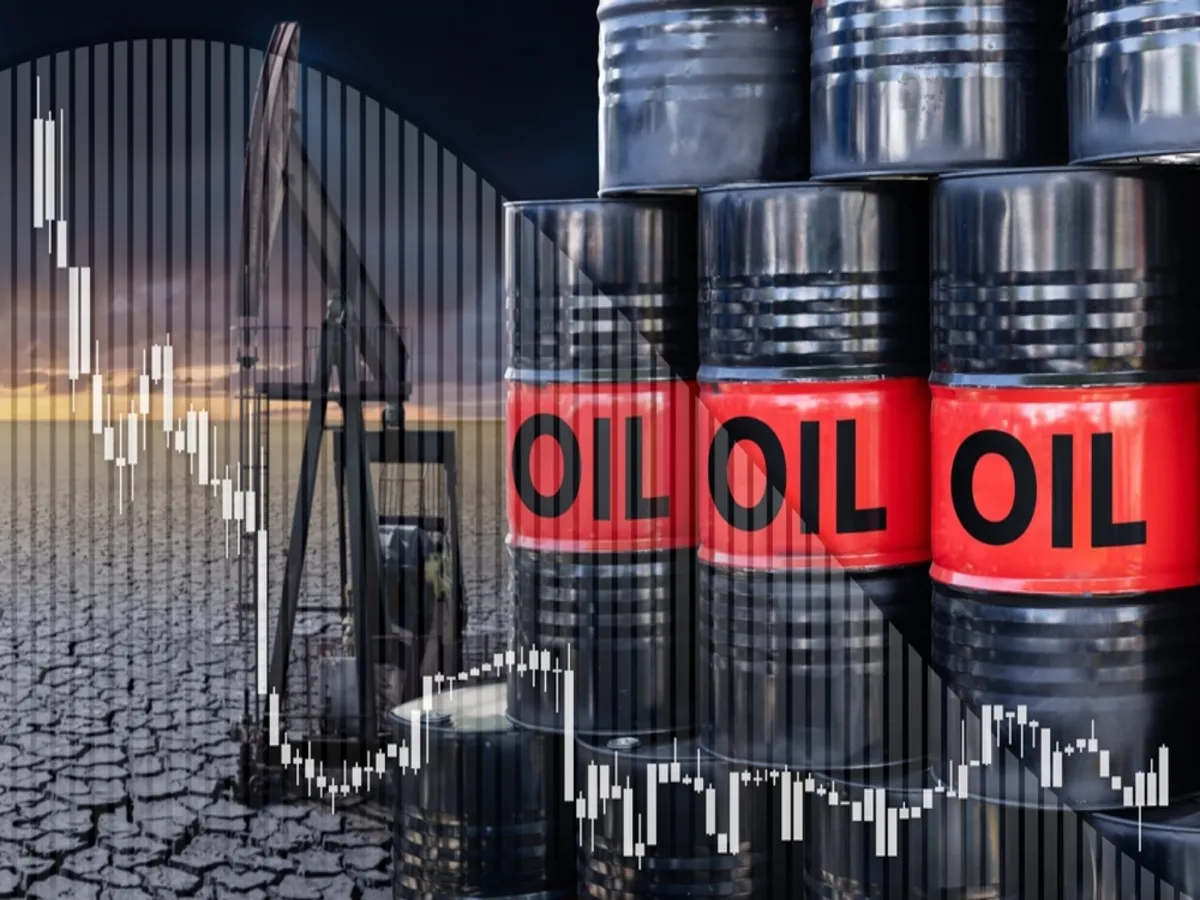

Crude oil is one of the most prized commodities globally as it is a primary energy source and non-renewable in nature. Though efforts are being made to find its alternative, it is still irreplaceable, and directly impacts the global economies, industrial productions, transportation costs and international trade.
Changes in the prices of crude oil impact your daily life and your investments as well. Crude oil is highly volatile due to multiple factors such as geopolitical tensions, supply and demand imbalances and financial market speculations. These factors directly impact crude oil prices, making it a high-risk commodity to trade in.
Let’s explore the risk involved and the strategies to manage the risk when trading in crude oil.
Risk in Crude Oil Trading
Other than the risk arising from market speculation, there are other risks you need to understand before trading in crude oil.
Price Volatility
Crude oil prices are inherently volatile and often react sharply to market events. Though this volatility helps traders earn higher profits, it can also lead to extreme losses if the positions aren’t managed properly.
Global Factors
Global factors such as OPEC decisions regarding production quotas and the conflicts in the Middle East and other oil-producing countries can cause supply disruption, leading to spikes in crude oil prices. Hence, the traders need to stay updated with current news and events.
Supply & Demand Imbalance
Since crude oil is a non-renewable and limited source, the supply and demand for it heavily influence its price. For example, if the supply of crude oil is disrupted due to certain events such as natural disasters or geopolitical tensions, the demand exceeds the supply, leading to a price hike.
Similarly, technological advancement that enhances extractions may lead to supply exceeding demand, which can lower crude oil prices.
U.S Dollar Fluctuation
Crude oil is traded globally in U.S dollars. If the dollar strengthens against the domestic currency, it can create additional risk for the traders by making crude oil more expensive and impacting their profitability.
Risk Management Strategies in Crude Oil Trading
Despite the various risks involved in crude oil trading, smart traders still earn a profit by having proper risk management strategies in place. Here are some risk management strategies to use in crude oil trading.
Hedging
Hedging is a strategy used by the majority of traders to protect their investments against unfavorable price changes. In crude oil trading, you can use financial instruments such as futures, options, or swaps to lock in prices and mitigate the risk.
Diversify Your Investments
Diversification is crucial, especially if you invest and trade in volatile commodities like crude oil. It is recommended to spread your investments across different asset classes to lower the impact of losses in a single market.
Most markets have an inverse relationship with each other, for example, when crude oil prices rise, the equity market falls. Hence, investing across different markets helps manage your risk exposure and reduce losses.
Use Stop-loss and Take Profit Orders
A good risk management strategy includes using stop-loss and take-profit tools. A stop-loss order limits your potential loss by automatically closing a trade that reaches a specific price. Whereas a take-profit order locks in your profit by closing a trade at a predetermined price.
Position Sizing & Leverage Control
Knowing how to size your positions appropriately helps traders determine how much to invest in a trade and manage their risk exposure. Crude oil trading is often associated with high leverage, and over-leveraging can lead to extreme losses. Hence, use a smaller position size and limited leverage to manage the risk of high loss.
Common Mistakes to Avoid in Crude Oil Trading
Crude oil trading involves high risk and making certain mistakes can only amplify the impact of these risks. Here are some common mistakes you should avoid in crude oil trading.
Emotional Decision Making
When trading in crude oil, it is important not to react but respond to new developments in the market. Don't let greed or fear drive your trading decisions and instead think rationally and stick to your strategy.
Overtrading
Avoid overtrading as it not only increases costs but also your risk exposure. It is better to wait for specific market conditions that strongly suggest a trade with a high probability of success.
Not Using Fundamental Analysis
To be successful in crude oil trading, you need to combine both technical and fundamental analysis. This includes studying the historical price charts and staying updated with current events.
Use Excessive Leverage
Using leverage will not only amplify your profits and losses. And excessive leverage can lead to high losses due to a small market fluctuation.
Things to Know Before You Start Trading Crude Oil
Crude oil trading is suitable for experienced traders and not for total beginners. To cut down your risk of loss, here are some things to know before trading in crude oil.

Understand Crude Oil Price Drivers
Understand how the different factors that impact crude oil prices, such as OPEC decisions, geopolitical tensions, the U.S dollar fluctuation, etc, before trading in crude oil.

Benchmarks to Track for Crude Oil
When trading in crude oil, you need to track key benchmarks such as Brent and WTI as they are global price setters.

Have a Risk Management Plan
Having an effective risk management strategy in place is as important as having a proper trading plan. This will help you reduce the losses if the market moves against your trades.

Crude oil trading involves high risk and high reward, but it can also lead to extreme losses if you don’t have effective risk management strategies in place. Use the risk management strategies given above to limit your losses when trading in crude oil.
About Author
Mariyam Sara
Sub-Editor
holds an MBA in Finance and is a true Finance Fanatic. She writes extensively on all things finance whether it’s stock trading, personal finance, or insurance, chances are she’s covered it. When she’s not writing, she’s busy pursuing NISM certifications, experimenting with new baking recipes.
Read more from Mariyam














Upstox is a leading Indian financial services company that offers online trading and investment services in stocks, commodities, currencies, mutual funds, and more. Founded in 2009 and headquartered in Mumbai, Upstox is backed by prominent investors including Ratan Tata, Tiger Global, and Kalaari Capital. It operates under RKSV Securities and is registered with SEBI, NSE, BSE, and other regulatory bodies, ensuring secure and compliant trading experiences.
Related articles

Commodity Trading
What Is DME and Can It Replace LPG in Indian Kitchens?7 min read | Written by Pradnya Surana

Commodity Trading
Impact of Crude Oil Price Changes on the Indian Middle Class3 min read | Written by Subhasish Mandal
Commodity Trading
Mentha Oil Price in India, Factors Impacting and Benefits2 min read | Written by Subhasish Mandal

Commodity Trading
Is Copper Good for You? Health Benefits, Daily Needs, and Risks4 min read | Written by Mariyam Sara

Commodity Trading
What is Mentha Oil and How To Trade in Mentha Oil?4 min read | Written by Subhasish Mandal

Commodity Trading
Investing in Copper in 2026: Price History, Supply-Demand Shifts, and What It Means for Investors4 min read | Written by Mariyam Sara

Commodity Trading
Is Crude Oil a Good Investment? Pros, Cons & Alternatives3 min read | Written by Mariyam Sara