IMPS vs UPI: Comparing Two Digital Payment Methods in India

Written by Subhasish Mandal
Published on July 07, 2026 | 7 min read

Key Takeaways:
-
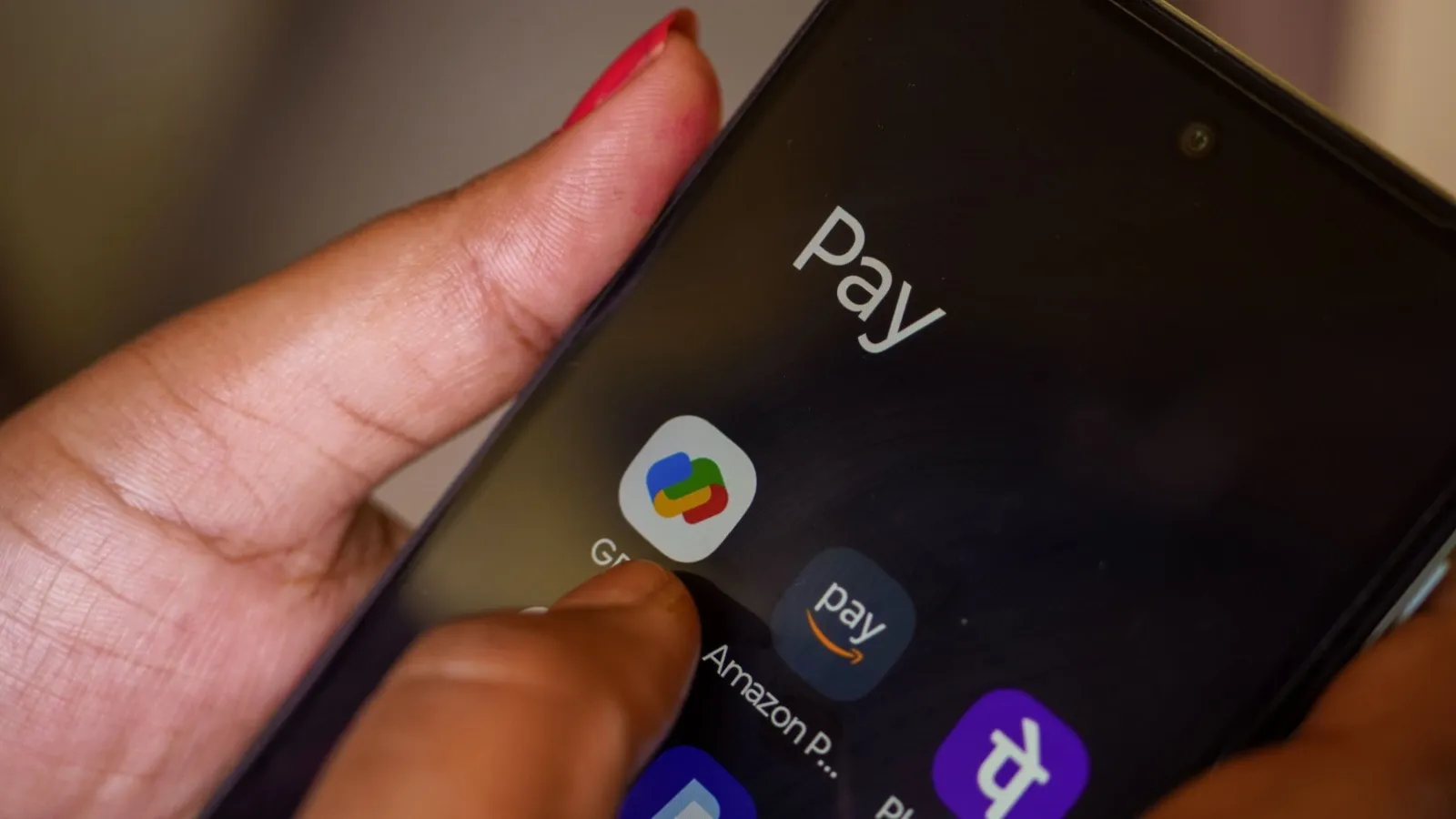
Immediate Payment Service (IMPS) is an electronic fund transfer system that requires the beneficiary's bank account details and IFSC code.
-
Unified Payments Interface (UPI) is also a digital payment system, which allows funds transfer using a VPA or UPI ID, mobile number or QR code.
-
UPI offers a simpler and faster user experience, while IMPS follows a more traditional banking process.
-
Both IMPS and UPI services are available 24 hours a day, but UPI is accessible through multiple payment applications, making it convenient for frequent transactions.
Digital payments have transformed the way Indians transfer money, pay bills, and complete everyday transactions. With the rapid growth of online banking and smartphones, payment systems such as IMPS and UPI have become an essential part of modern banking. Although both allow instant fund transfers, they differ in features, transaction methods, limits, and ideal use cases.
Understanding IMPS vs UPI helps individuals and businesses choose the most suitable payment option based on convenience, transaction size, and banking requirements.
This article discusses what IMPS and UPI are, their differences, features, benefits, and when to use each payment method.
What is IMPS?
The full form of IMPS is Immediate Payment Service. It is an electronic fund transfer system introduced by the National Payments Corporation of India (NCPI). IMPS enables customers to transfer money instantly between bank accounts throughout the year, including weekends and public holidays.
IMPS is available through internet banking, mobile banking, ATMs, and bank branches. Users can transfer funds using the beneficiary’s bank account number and IFSC code or, in supported banks, through a registered mobile number linked with an MMID.
Since the transaction settles instantly, the recipient receives funds within seconds, making IMPS one of India’s fastest banking payment systems.
Also Read: What is NEFT?
What is UPI?
The full form of UPI is Unified Payments Interface. It is a real-time digital payment system developed by the National Payments Corporation of India (NPCI). UPI allows users to transfer money directly between bank accounts using a Virtual Payment Address (VPA) instead of entering bank account details every time.
The Unified Payments Interface integrates multiple bank accounts into a single mobile application. Users can send money, receive payments, scan QR codes, pay utility bills, recharge mobile phones, subscribe to AutoPay services, and make merchant payments instantly.
Today, UPI has become India’s most widely used digital payments platform because of its simplicity, speed, and interoperability across banks and payment apps.
Also Read: RTGS is India’s Biggest Money Mover
Difference Between IMPS vs UPI
Here are the key differences between IMPS vs UPI:
| Basis | IMPS | UPI |
|---|---|---|
| Transfer Method | Account number and IFSC or mobile number | UPI ID, QR code, mobile number, or bank account |
| Platform | Internet banking, mobile banking, ATM | UPI-enabled mobile applications |
| Registration | Beneficiary registration may be required | Simple UPI ID creation |
| Ease of Use | Moderate | Very easy |
| Merchant Payments | Limited | Widely accepted |
| QR Code Payments | Not available | Available |
| Bill Payments | Limited | Supported |
| Peer-to-Peer Transfers | Yes | Yes |
| Availability | 24 hours every day | 24 hours every day |
| Transaction Speed | Instant | Instant |
| Best For | Bank account transfers | Everyday digital payments |
RTGS vs NEFT vs IMPS vs UPI: Key Differences
Here are the key differences between the RTGS, NEFT, IMPS and UPI payment methods.
| Feature | RTGS | NEFT | IMPS | UPI |
|---|---|---|---|---|
| Settlement | Real-time | Batch settlement | Real-time | Real-time |
| Availability | 24 hours | 24 hours | 24 hours | 24 hours |
| Minimum Amount | ₹2 lakh | No minimum | Bank-specific | As per applicable UPI limits |
| Best For | High-value transfers | Regular bank transfers | Instant banking transfers | Daily digital payments |
| Transfer Speed | Immediate | Usually within minutes | Immediate | Immediate |
| Mobile Payments | Limited | Limited | Yes | Yes |
| QR Code Support | No | No | No | Yes |
| Merchant Payments | Limited | Limited | Limited | Extensive |
| Bill Payments | No | Limited | Limited | Yes |
| User Convenience | Moderate | Moderate | Good | Excellent |
Features and Benefits of IMPS
Here are the main features and benefits of using the IMPS payment method for fund transfer:
- Instant Settlement:
IMPS transfers money immediately between bank accounts without waiting for banking hours or settlement cycles.
- 24 Hours Available:
IMPS operates throughout the year, including weekends and holidays, ensuring uninterrupted banking transactions anytime.
- Multiple Banking Channels:
This payment system supports transfers through internet banking, mobile banking applications, ATMs, and bank branches for customer convenience.
- Secure Transactions:
It uses strong banking authentication and encryption protocols to protect customer information and financial transactions.
- Direct Bank Transfers:
IMPS sends funds directly from one bank account to another without requiring third-party wallets.
- Supports Various Banks:
It is available across most public sector, private sector, and cooperative banks participating in the IMPS network.
- Reliable Banking Infrastructure:
IMPS operates on established banking systems, ensuring dependable transaction processing with minimal delays.
Features and Benefits of UPI
Here are the main features and benefits of the UPI payment system:
- Simple Payment Process:
UPI transfers money using a Virtual Payment Address (VPA) without remembering lengthy bank account details or IFSC codes.
- QR Code Payments:
It enables fast merchant payments by scanning QR codes using any compatible UPI application.
- Multiple Bank Accounts:
The Unified Payment Interface allows users to manage several bank accounts through a single UPI-enabled mobile application.
- Real-Time Transfers:
UPI allows instant digital payments by transferring funds between VPAs or directly to a bank account at any time of the day.
- Bill Payment Facility:
This payment method supports electricity, gas, water, broadband, mobile recharge, and other recurring payment services.
- AutoPay Feature:
UPI helps users automate subscription payments, insurance premiums, SIPs, and utility bills through predefined payment mandates.
- Interoperable Platform:
It works across different banks and payment applications without restricting users to one service provider.
- Low-Cost Transactions:
UPI offers convenient digital payments without requiring additional hardware or significant transaction charges for most users.
When to use IMPS?
IMPS is suitable when you need to transfer money directly between bank accounts using account numbers and IFSC codes. It is commonly preferred for urgent bank transfers, higher-value personal transactions, business payments, or situations where the recipient does not use the Unified Payments Interface.
Since IMPS is integrated into internet banking and mobile banking platforms, it is also useful for users who prefer traditional banking channels while still enjoying instant fund transfers.
When to use UPI?
UPI is ideal for everyday digital payments such as shopping, paying utility bills, splitting restaurant expenses, transferring money to friends and family, online purchases, and QR code payments at retail stores.
Its simple interface, instant processing, and support across multiple banking applications make it the preferred choice for frequent low-value transactions. UPI is especially useful when speed, convenience, and minimal payment details are important.
Is UPI faster than IMPS?
UPI and IMPS both complete transactions within a few seconds, subject to network and banking system availability. However, UPI often feels more convenient because it requires only a UPI ID, mobile number, or QR code. In contrast, IMPS payment requires a bank account number and IFSC code, which can take a longer to initiate.
Therefore, UPI may offer a quicker user experience because of its simpler payment process, although both systems provide real-time fund transfers.

Conclusion
The comparison between IMPS vs UPI shows that both payment systems play an important role in India’s digital payments ecosystem.
IMPS remains an excellent choice for direct bank account transfers through traditional banking channels, while the Unified Payments Interface has revolutionised digital payments with its easy-to-use interface, QR code support, and seamless mobile experience.
For everyday payments, shopping, and bill payments, UPI offers unmatched convenience. For direct banking transactions where bank account details are available, IMPS continues to provide a secure and reliable solution.
About Author
Subhasish Mandal
Sub-Editor


A finance professional with strong expertise in stock market and personal finance writing, he excels at breaking down complex financial concepts into simple, actionable insights. Holding a Master’s degree in Commerce, he combines academic depth with practical knowledge of technical analysis and derivatives.
Read more from Subhasish

















Upstox is a leading Indian financial services company that offers online trading and investment services in stocks, commodities, currencies, mutual funds, and more. Founded in 2009 and headquartered in Mumbai, Upstox is backed by prominent investors including Ratan Tata, Tiger Global, and Kalaari Capital. It operates under RKSV Securities and is registered with SEBI, NSE, BSE, and other regulatory bodies, ensuring secure and compliant trading experiences.
Related articles






Banking
Repo Rate vs Bank Rate: Meaning, Differences, Impact, and Examples9 min read | Written by Sachin Gupta