- mysore

Gold Rate Today in Mysore


As an investor or someone interested in buying gold, keeping an eye on the daily gold prices is crucial. The price of gold in Mysore fluctuates daily due to various factors, impacting both buyers and sellers in the market.
Steps to Follow for Buying Gold in Mysore
Buying gold in Mysore involves several crucial steps:
- Identify reputable sellers or jewellers known for quality and authenticity.
- Understand the prevailing gold rates, typically available from reliable sources or through official platforms.
- Determine the preferred form of gold, whether jewellery, coins, or bars, based on personal preference or investment goals.
- Prioritise authenticity by ensuring proper certification or hallmarking.
- Conduct thorough research and due diligence before finalising any purchase.
- Familiarise yourself with the current market trends, varying forms of gold available, and the quality standards to make an informed and secure investment decision in the realm of gold inMysore.
Factors Determining Gold Prices in Mysore
The price of gold in Mysore is influenced by a number of factors, which collectively contribute to the daily fluctuations in gold prices:
- Currency fluctuations: A depreciating rupee against the dollar increases gold prices in Mysore.
- International factors: Global economic conditions, volatile policies, and the dollar's strength affect gold rates.
- Global demand: Demand dynamics significantly impact the daily gold rates in Mysore.
- Interest rates: Interest rate movements, especially in the US, inversely impact gold prices.
- Government policies: Government measures may deter gold consumption to curb rising prices and current account deficits.
- Price trends: High gold prices in Mysore may discourage local consumption.
Things to Know Before Investing in Gold in Mysore
Before investing in gold in Mysore, you need to consider the following factors:
- Understand individual investment goals and the purpose behind buying gold—whether as a hedge against inflation or portfolio diversification.
- Familiarise yourself with prevailing market trends, gold pricing mechanisms, and forms of gold available.
- Recognize the potential risks and costs associated with physical gold, Gold ETFs, or Sovereign Gold Bonds (SGBs).
- Consider factors such as liquidity, storage costs, and taxation implications.
- Conduct thorough research on reliable sellers, hallmarking, and authenticity to make informed investment decisions.
Adequate knowledge of these aspects is vital to navigate the nuances of investing in gold in Mysore.
24K Gold Rate in Mysore
| Gram | Today | Yesterday |
|---|---|---|
| 1 Gram | ₹14,943.00 -38.00 (-0.25%) | ₹14,981.00 -175.00 (-1.15%) |
| 10 Gram | ₹1,49,430.00 -380.00 (-0.25%) | ₹1,49,810.00 -1,750.00 (-1.15%) |
| 100 Gram | ₹14,94,300.00 -3,800.00 (-0.25%) | ₹14,98,100.00 -17,500.00 (-1.15%) |
22K Gold Rate in Mysore
| Gram | Today | Yesterday |
|---|---|---|
| 1 Gram | ₹13,699.00 -35.00 (-0.25%) | ₹13,734.00 -160.00 (-1.15%) |
| 10 Gram | ₹1,36,990.00 -350.00 (-0.25%) | ₹1,37,340.00 -1,600.00 (-1.15%) |
| 100 Gram | ₹13,69,900.00 -3,500.00 (-0.25%) | ₹13,73,400.00 -16,000.00 (-1.15%) |
Gold Investment in Mysore
Difference in Physical Gold, Gold ETFs and Sovereign Gold Bonds
Investors can choose between physical gold, Gold Exchange Traded Funds (ETFs), and Sovereign Gold Bonds (SGBs). Each has its advantages concerning liquidity, safety, and ease of investment. Physical gold involves owning tangible gold in the form of bars, coins, or jewellery, allowing direct possession. On the other hand, Gold Exchange Traded Funds (ETFs) are traded on stock exchanges, representing fractional gold ownership. They offer liquidity and convenience without physical possession. Meanwhile, Sovereign Gold Bonds (SGBs), issued by the government, are a secure investment offering interest and capital gains. Understanding these options—physical gold for ownership, ETFs for convenience, and SGBs for security—empowers investors to choose based on preferences, liquidity needs, and risk appetite, forming a diversified gold investment portfolio in Mysore.Understanding 18K, 22K & 24K Gold
Understanding the differences between various gold purity levels—18K, 22K, and 24K—helps make informed choices when purchasing gold:
- 24K Gold: Renowned for its purity, it is 99.9% pure gold, making it the highest in gold content. Its softness makes it unsuitable for crafting jewellery without alloying with other metals.
- 22K Gold: Comprising 91.6% gold and 8.3% alloy metals, 22K gold is durable and extensively used in jewellery making. Its vibrant hue and strength make it ideal for intricate designs.
- 18K Gold: Containing 75% gold and 25% alloy metals, it strikes a balance between durability and purity. Slightly less expensive than higher karat gold, it's preferred for modern designs and affordability.
- Consider factors such as liquidity, storage costs, and taxation implications.
- Conduct thorough research on reliable sellers, hallmarking, and authenticity to make informed investment decisions.
Purity Variation: 24K gold is pure, softer, and more prone to scratches, while 18K and 22K are alloyed for enhanced strength, making them suitable for intricate jewellery.
Colour and Appearance: Higher karat gold like 24K appears more vibrant due to its pure gold content, while lower karat gold exhibits a paler hue due to alloying metals.
Durability: 18K and 22K gold are more durable due to alloy additions, making them preferable for jewellery that is worn everyday.
Understanding these differences assists buyers in choosing gold jewellery that aligns with their preferences for purity, durability, and design, ensuring a well-informed and satisfactory purchase of gold in Mysore.
Is Gold Investment a Safe Option in Mysore?
Investing in gold has long been considered a safe haven and an integral part of Mysore's financial culture. Here's why:
- Historical Stability: Gold holds historical significance as a stable asset, protecting against economic uncertainties, market fluctuations, and inflation, thus safeguarding wealth.
- Diversification: Adding gold to an investment portfolio diversifies risk, balancing the impact of market volatility in stocks, bonds, or real estate.
- Inflation Hedge: Gold often retains its value during inflationary periods, preserving purchasing power.
- Cultural Relevance: In Mysore, gold is deeply ingrained in traditions and ceremonies, ensuring constant demand and cultural value.
- Long-Term Store of Value: Gold generally maintains its worth over extended periods, offering a sense of security to investors.
Despite its advantages, gold investment isn't devoid of risks. Gold prices fluctuate due to market dynamics and geopolitical factors, impacting its short-term performance. Furthermore, it doesn't generate income or dividends like other investments, and storage costs can also be a consideration.
Considering the balance between safety and potential risks, incorporating gold into an investment portfolio can enhance stability. However, it's advisable to approach gold investment as part of a diversified strategy, assessing personal financial goals and risk tolerance before making decisions.
Understanding KDM Gold in Mysore
KDM gold is a type of gold that consists of 92% gold and an 8% alloy of cadmium, aimed to ensure exceptional purity. However, this blend posed significant health risks to craftsmen. Due to the health hazards associated with cadmium, the Bureau of Indian Standards (BIS) has prohibited its use in jewellery making. Today, KDM gold substitutes cadmium with advanced solder metals like zinc and other alloys, maintaining the gold's purity without compromising the health of craftsmen. This change has ensured that KDM gold eliminates the health hazards, while retaining its purity standards.
Verifying Hallmarked Gold in Mysore
Verifying hallmarked gold in Mysore is crucial to ensure authenticity and purity. Here are steps to verify:
- Check BIS Mark: The Bureau of Indian Standards (BIS) mark authenticates the gold's purity. Look for the BIS logo, as it confirms that the gold adheres to national standards.
- Seek Certification: Obtain a Certificate of Authenticity from the jeweller, confirming the hallmark details. This certificate validates the purity and authenticity of the gold.
- Use Magnifying Tools: Employ a magnifying glass to closely inspect the hallmark. This aids in identifying the small markings, ensuring accuracy in purity determination.
- Buy from Trusted Jewellers: Purchase gold from trusted and reputable jewellers who follow ethical practices and provide genuine hallmarked jewellery.
Verifying hallmarked gold is essential to ensure you're purchasing authentic, high-quality gold jewellery. Taking these steps helps in safeguarding against counterfeit products and assures you of the gold's purity and value.
Understanding 916 Hallmarked Gold in Mysore
In Mysore, 916 hallmarked gold signifies a gold alloy with 91.6% pure gold content, also known as 22 karat gold. The term "916" reflects the gold's purity level, wherein out of a total of 1000 parts, 916 parts consist of pure gold, while the remaining 84 parts comprise other metals such as silver, copper, or zinc to form the alloy.
This hallmarking system, regulated by the Bureau of Indian Standards (BIS), assures buyers of the gold's quality and purity, providing credibility and authenticity. Gold marked as 916 is widely accepted and preferred for crafting jewellery due to its durability, suitable for intricate designs and patterns. It maintains a balance between purity and strength, making it a popular choice among consumers seeking traditional and culturally significant gold ornaments in Mysore. Choosing 916 hallmarked gold ensures buyers of a standardised quality level, making it a reliable option in the country's gold market.
Summary
Investing in gold in Mysore involves various aspects, from understanding its pricing and forms to recognising purity standards. Considering these factors is crucial for anyone interested in entering the gold market.
Gold Rate Analysis
| Gold Rate | 24K Gold | 22K Gold |
|---|---|---|
| Oct 1 | ₹1,49,730.00 | ₹1,37,260.00 |
| Oct 13 | ₹1,49,810.00 | ₹1,37,340.00 |
| Highest in Oct | ₹1,51,570.00 | ₹1,38,950.00 |
| Lowest in Oct | ₹1,49,320.00 | ₹1,36,890.00 |
| Overall performance | Rising | Rising |
Month Wise Gold Rate
Gold Price in Mysore, Oct 2026 | |
|---|---|
| Rate | 24K Gold / (10GM) |
| Oct 1 | ₹1,49,730.00 |
| Oct 13 | ₹1,49,810.00 |
| Highest in Oct | ₹1,51,570.00 |
| Lowest in Oct | ₹1,49,320.00 |
| Overall performance | Rising |
Gold Price in Mysore, Sep 2026 | |
|---|---|
| Rate | 24K Gold / (10GM) |
| Sep 1 | ₹1,56,760.00 |
| Sep 30 | ₹1,48,940.00 |
| Highest in Sep | ₹1,56,820.00 |
| Lowest in Sep | ₹1,48,940.00 |
| Overall performance | Falling |
Gold Price in Mysore, Aug 2026 | |
|---|---|
| Rate | 24K Gold / (10GM) |
| Aug 1 | ₹1,44,370.00 |
| Aug 31 | ₹1,58,380.00 |
| Highest in Aug | ₹1,64,130.00 |
| Lowest in Aug | ₹1,44,140.00 |
| Overall performance | Rising |
Gold Price in Mysore, Jul 2026 | |
|---|---|
| Rate | 24K Gold / (10GM) |
| Jul 1 | ₹1,42,200.00 |
| Jul 31 | ₹1,44,490.00 |
| Highest in Jul | ₹1,47,160.00 |
| Lowest in Jul | ₹1,40,920.00 |
| Overall performance | Rising |
Gold Price in Mysore, Jun 2026 | |
|---|---|
| Rate | 24K Gold / (10GM) |
| Jun 1 | ₹1,57,180.00 |
| Jun 30 | ₹1,42,070.00 |
| Highest in Jun | ₹1,57,180.00 |
| Lowest in Jun | ₹1,41,470.00 |
| Overall performance | Falling |
Gold Price in Mysore, May 2026 | |
|---|---|
| Rate | 24K Gold / (10GM) |
| May 1 | ₹1,52,570.00 |
| May 31 | ₹1,57,190.00 |
| Highest in May | ₹1,62,340.00 |
| Lowest in May | ₹1,49,300.00 |
| Overall performance | Rising |
Gold Rates Over Last 10 Days
| Date | 24K Gold | 22K Gold |
|---|---|---|
| 14 Oct 2026 | ₹1,49,430.00 -0.25% | ₹1,36,990.00 -0.25% |
| 13 Oct 2026 | ₹1,49,810.00 -1.15% | ₹1,37,340.00 -1.15% |
| 12 Oct 2026 | ₹1,51,560.00 -0.01% | ₹1,38,940.00 -0.01% |
| 11 Oct 2026 | ₹1,51,570.00 0.46% | ₹1,38,950.00 0.46% |
| 10 Oct 2026 | ₹1,50,870.00 0.79% | ₹1,38,310.00 0.78% |
| 9 Oct 2026 | ₹1,49,690.00 0.00% | ₹1,37,240.00 0.00% |
| 8 Oct 2026 | ₹1,49,690.00 -0.46% | ₹1,37,240.00 -0.45% |
| 7 Oct 2026 | ₹1,50,380.00 0.71% | ₹1,37,860.00 0.71% |
| 6 Oct 2026 | ₹1,49,320.00 0.00% | ₹1,36,890.00 0.00% |
| 5 Oct 2026 | ₹1,49,320.00 -0.01% | ₹1,36,890.00 -0.01% |
Gold Rates in Major Cities
| City | 24K Gold | 22K Gold |
|---|---|---|
| Bangalore | ₹1,49,810.00 | ₹1,37,340.00 |
| Bhubaneswar | ₹1,49,670.00 | ₹1,37,190.00 |
| Chennai | ₹1,49,810.00 | ₹1,37,340.00 |
| Coimbatore | ₹1,49,810.00 | ₹1,37,340.00 |
| Delhi | ₹1,49,810.00 | ₹1,37,340.00 |
| Hyderabad | ₹1,49,670.00 | ₹1,37,190.00 |
| Kolkata | ₹1,49,670.00 | ₹1,37,190.00 |
| Mumbai | ₹1,49,670.00 | ₹1,37,190.00 |
| Mysore | ₹1,49,810.00 | ₹1,37,340.00 |
| Pune | ₹1,49,670.00 | ₹1,37,190.00 |
Frequently Asked Questions
How many grams of gold are present in one 'tola' of gold?
What is the difference between 22k and 24K gold?
How is the gold rate in India determined?
What do the terms hallmark, 916, and KDM in gold jewelry mean?
What should I look out for when buying gold in Mysore?
- 1. Hallmark: Check for the hallmark certificate, as it guarantees purity, either in the form of 22K (916) gold or 24K (999) gold.
- 2. Making Charges: Inquire about the additional charges levied by the store for craftsmanship as it can vary widely between jewellers.
- 3. Seller's Reputation: Buy from certified jewellers with a good reputation for quality and fair pricing.
- 4. Live Rates: Keep yourself updated with live market rates in order to make better decisions.
- 5. Buyback: Check the jeweller's buyback terms for future resale value.
How can I check the purity of gold in Mysore
- 1. Hallmark: Check for the BIS hallmark that authenticates that the gold meets standard purity levels. This stamp shows you the karatage of the gold and ensures buyers' confidence.
- 2. Magnet Test: Gold is not magnetic, so expose it to a magnet. If it is attracted towards the magnet, it's not gold.
- 3. Float Test: Put your gold in water. Pure gold will sink, whereas other metals might just float or hover. These methods can help assure you that you're buying pure gold.
What's in news?
MCX Gold trades around ₹1.47 lakh per 10 gram, Silver breaks key support; check trade setup for Oct 14
Gold and silver are attempting small rebounds after sharp declines, but their MCX charts continue to favour sellers. Globally, attention is on US inflation data due later today for clues on the Federal Reserve’s next move. Oil supply concerns also remain in focus following an attack on a Saudi Aramco facility.
MCX Gold slips near ₹1.49 lakh, Silver falls below hourly EMAs; check trade setup for Oct 12
Gold and silver have given back part of their recent recovery on the MCX charts. Investors are also watching upcoming US inflation data for clues on the Federal Reserve’s interest rate path. Oil prices have eased amid hopes of an energy ceasefire between Russia and Ukraine, although uncertainty around the proposal remains.
MCX Gold trades lower around ₹1.49 lakh, Crude Oil jump over 1% as Iranian attack on tankers continues; check trade setup for Oct 7
MCX commodity analysis for October 7, 2026 shows a weak bias in gold and silver, while crude oil’s recovery faces resistance near EMA50. Low ADX readings across all three suggest limited trend strength.
MCX Gold trades near ₹1.49 lakh, Silver moves above hourly 20 EMA; check trade setup for Oct 5
MCX Gold and crude oil show a bearish bias, while silver is attempting a short-term recovery. However, ADX readings remain low across all three commodities, suggesting limited trend strength.
MCX Gold trades around ₹1.50 lakh per 10 gram, MCX Crude Oil stays weak; Check today’s trade setup
Gold and silver have recovered above their hourly 20 EMAs but remain below their 50 EMAs, leaving their recovery incomplete. Silver’s low ADX indicates weak directional conviction. Crude oil retains a bearish structure below both moving averages, with directional indicators favouring sellers.
MCX Gold trade lower around ₹1.50 lakh per 10 gram, MCX Crude oil holds above ₹9,000; check today’s trade setup
MCX Crude Oil is showing signs of recovery after reclaiming its key hourly averages, but ₹9,076 remains the important breakout level. Silver continues to trade below its moving averages, with sellers retaining control, while Gold shows the strongest bearish momentum, with ₹1,49,665 emerging as the key support.
MCX Gold trades at ₹1.50 lakh per 10 gram, crude oil holds above ₹8,500 as US-Iran war escalates; check today's trade setup
MCX Gold remains the weakest chart, with the price below both hourly moving averages and a very strong ADX. Silver also retains a bearish structure below its averages, while Crude Oil remains positive above the 20-EMA and 50-EMA despite a pullback from its recent high.

MCX crude oil prices surge as US-Iran war escalates; MCX Gold trades near ₹1.54 lakh per 10 gram; check today's trade setup
MCX Gold remains the weakest chart as price stays below both hourly moving averages with strong ADX and a negative DMI structure. Silver is also below its averages with sellers retaining an edge, while Crude Oil remains positive above the 20-EMA and 50-EMA with moderate trend strength.
MCX crude oil prices surge as US-Iran war escalates; MCX Gold trades near ₹1.54 lakh per 10 gram; check today's trade setup
MCX Gold remains the weakest chart as price stays below both hourly moving averages with strong ADX and a negative DMI structure. Silver is also below its averages with sellers retaining an edge, while Crude Oil remains positive above the 20-EMA and 50-EMA with moderate trend strength.
MCX Gold trades near ₹1.63 lakh per 10 gram; Crude Oil prices fall over 3% amid profit booking
MCX Gold remains the strongest chart as price holds above both short-term moving averages with firm ADX and a positive DMI structure. Silver is consolidating between its 20-EMA and 50-EMA with a mild negative bias, while Crude Oil remains weak below both averages but still lacks strong trend confirmation.
MCX Gold prices surge to ₹1.6 lakh per 10 gram amid fall in the US dollar; check today’s trade setup
MCX Gold and silver continue to show stronger bullish momentum, supported by firm ADX and positive DMI structures. Crude Oil remains constructive but is consolidating near resistance and needs a breakout above ₹8,404 for fresh strength.
MCX Gold extends rally to trade at ₹1.58 lakh per 10 gram, crude oil rises for 5th straight day
MCX Gold remains the strongest chart with clear positive momentum. Silver is also positive and approaching resistance. Crude Oil is still constructive, but it needs a breakout above ₹8,170 to regain fresh momentum.
MCX Gold trades above ₹1.55 lakh per 10 gram, while crude oil remain rangebound; check today’s trade setup
MCX Gold remains the strongest among the three; Silver has regained bullish momentum, while Crude Oil is still stuck in a sideways phase. For now, Gold needs to cross ₹1,55,835, Silver needs to cross ₹2,40,600, and Crude Oil needs to cross ₹8,246 for fresh upside momentum.
MCX Crude Oil falls over 6% as US halts military strikes on Iran, announces fresh talks
Today’s commodity price action is mixed. Crude oil has weakened sharply and is now testing its key support zone. Silver has bounced from support but still needs confirmation above resistance. Gold remains range-bound and is struggling below its moving averages.
MCX Crude Oil sees sharp fall as US-Iran halt military strikes; check today’s trade setup
Today’s commodity price action has turned weak across the board. Crude oil has slipped sharply below its key support zone, while silver and gold have also broken down from their short-term recovery structures. The bias has shifted back in favour of sellers, especially in crude oil and silver.
MCX Crude oil falls over 6.5% as US-Iran paused military strikes; MCX Gold trade above ₹1.44 lakh per 10 gram
Today’s commodity price action is mixed. Crude oil has seen a sharp pullback from higher levels and is now testing an important support zone. Gold and silver, on the other hand, are holding their recovery structure and continue to trade above short-term moving averages.
Commodity wrap: Crude oil surges 10% over the week amid escalating tensions in West Asia; gold rises 2%
On Thursday, July 23, Brent crude oil futures surged to a two-month high of $102 per barrel (bbl), amid continued U.S. attacks on strategic Iranian targets and attacks on Saudi oil tankers in the Red Sea.
MCX Gold crosses ₹1.44 lakh per 10 gram as US-Iran conflict boost demand; Crude Oil surges over 4%
Today’s commodity price action shows strong momentum in precious metals, while crude oil is consolidating after its recent rally. Gold has maintained the breakout from its falling trendline seen in the previous session. Silver has reclaimed its short-term moving averages. Crude oil continues to hold its broader bullish structure, despite cooling slightly at higher levels.
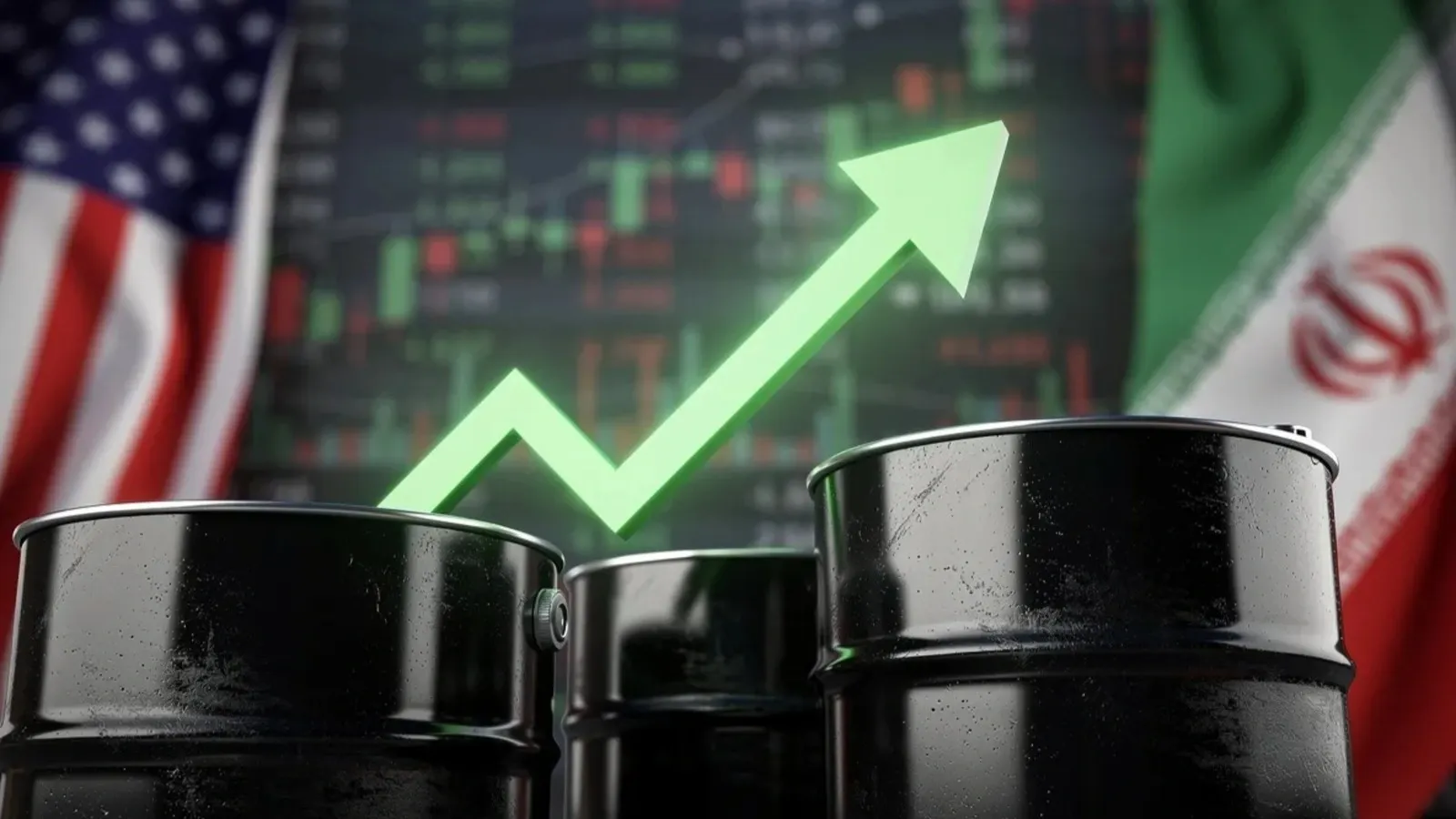
Crude oil prices jump over $91/barrel after ninth US military strike on Iran; gold rises 0.3%
Brent crude oil prices surged past $91 per barrel on Monday, July 20, as investors focused on the risk of an oil supply disruption after nine rounds of strikes in West Asia.
Gold prices fall below ₹1.40 lakh per 10 gram on MCX, Crude oil continues to surge; check today’s trade setup
Today’s commodity price action shows a clear divergence. Crude oil continues to hold its bullish structure after the recent breakout, while gold and silver remain weak. Precious metals are still trading below key moving averages and need a strong recovery above resistance zones to reduce downside pressure.
MCX Gold price fall below ₹1.42 lakh per 10 gram, Crude oil trade in a range; check today’s trade setup
Today’s commodity price action remains mixed. Crude oil continues to hold its breakout structure, but the rally has paused near higher levels. Gold and silver are still trading with a weak bias and remain below their key short-term moving averages
MCX Crude Oil prices continue to surge amid rise in US-Iran conflict; check today’s trade setup
Today’s commodity price action shows a clear divergence. Crude oil continues to hold its bullish breakout structure, while gold and silver remain under pressure. Precious metals are still trading below key moving averages and need a clear recovery above resistance levels to reduce the bearish pressure.
MCX Gold rebounds amid US-Iran tensions, Crude oil extends rally; check today’s trade setup
Today’s commodity price action remains mixed. Crude oil continues to show strong bullish momentum after the recent breakout, while gold and silver are attempting a recovery from lower levels. However, precious metals still need to reclaim their short-term moving averages to confirm strength.
MCX Gold and Silver trade lower as geopolitical tensions weigh on prices; check today’s trade setup
Today’s commodity price action remains cautious. Crude oil is seeing a pullback after the recent breakout, silver continues to trade with a weak bias, while gold is consolidating near its short-term moving averages.
MCX Gold trade marginally higher above ₹1.44 lakh per 10 gram; check today’s trade setup
Today’s commodity price action shows a mixed but cautious setup. Crude oil has seen profit-booking after a sharp breakout, while silver and gold continue to trade with a weak bias below their short-term moving averages.


