All you need to know about taper tantrum

Written by Dev Sethia
4 min read | Updated on December 09, 2025, 16:25 IST
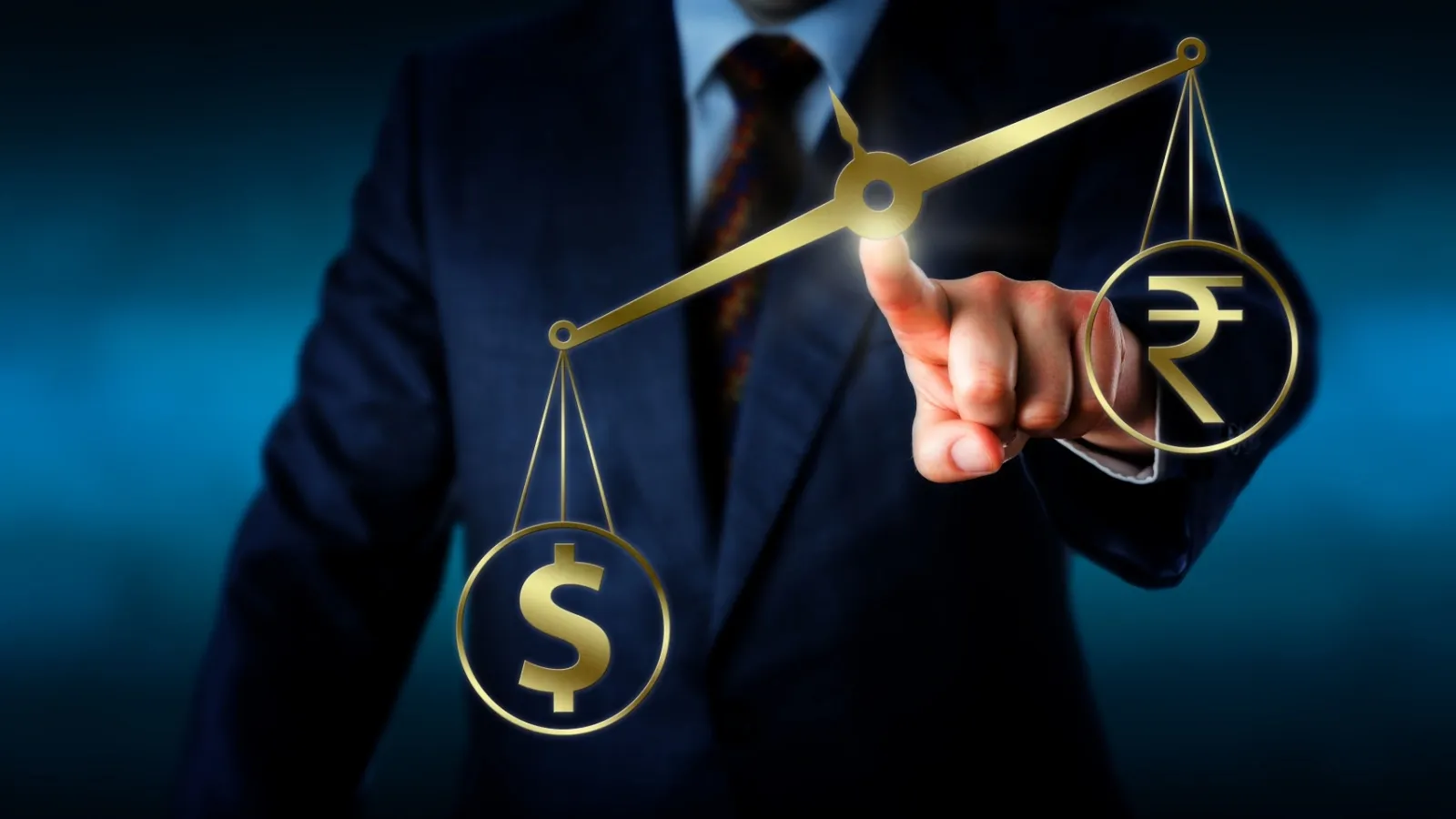

The term taper tantrum is a seemingly innocuous phrase that is once again being used in discussions about the effects of U.S. monetary policy on global markets. However, this phrase does not accurately describe what really happens when U.S. monetary policy begins to tighten.
Instead, it represents how one small change in U.S. Federal Reserve policy can create massive upheaval in the currency, equity, and capital market sectors of multiple countries around the world, especially those of many emerging economies, including India.
What Exactly Is a Taper Tantrum?
A financial event referred to as a taper tantrum occurs when a central banker announces their intention to taper (decrease) their asset purchases, which in the United States is primarily done through the actions of the Federal Reserve.
These asset purchases are mainly made in the form of bonds and are designed to support and stabilize the economy during times of crisis by injecting liquidity into the financial system.
When an investor hears that the central bank's backstop may no longer exist, the fear of higher interest rates and reduced monetary support causes them to immediately sell off their commercial paper (a form of security).
As a result of the panic selling of bonds, bond prices decrease and yields increase at a faster rate than debt, making it increasingly more costly to borrow funds for business and consumer purposes. Although the taper tantrum starts in the United States, its impact generally does not remain in the United States.
For some countries, such as India, the repercussions of a taper tantrum may be immediate and profound, causing an increase in inflation, a decline in the value of their currency, a decrease in foreign investment and, depending upon the severity of the taper tantrum, instability in their respective stock markets.
The Crisis That Started It All
The first major taper tantrum stemmed from the financial crisis of 2008. When stock markets were on the verge of collapse and investor confidence had all but disappeared, the US government responded with a highly aggressive form of monetary intervention called Quantitative Easing (QE).
Quantitative easing is where a central bank (in this case, the Federal Reserve) purchases large quantities of bonds, which creates liquidity in the economy by injecting money into the financial system.
Essentially, keeping interest rates close to 0% and therefore promoting borrowing while also indicating to the market that there is a chance of recovery taking place.
The creation of liquidity resulted in a flood of new investment capital from international investors who sought to invest their capital into all major world markets, including developing economies such as India, in search of potentially greater returns on their investments.
India: From Investment Magnet to Financial Whiplash
India experienced one of the sharpest impacts of the 2013 taper tantrum.
Foreign money pulls out
The rising US interest rates led to increased appeal of US assets, thereby causing a huge outflow from India, reversing years of capital inflow to this country.
The Rupee slides
The withdrawal of capital by foreign investors created a surge in demand for dollars, leading to an unprecedented drop in the value of the Indian rupee against the US dollar.
RBI steps in
To protect the value of the currency from further declines, the Reserve Bank of India raised interest rates significantly. While this was necessary, it also created a situation in which it became much more expensive for businesses to borrow money in India, thereby negatively impacting business activity.
Inflation spikes
With the rising value of the dollar, imported goods, especially fuel, became significantly more expensive to the Indian consumer and businesses, thereby creating a situation in which inflation affected both the consumer and business sectors.
The spread of contagion to other emerging markets
India wasn't alone in this regard; other emerging market countries such as Brazil, Turkey and Indonesia experienced similar declines in their currencies as capital flowed out of these economies and away from all emerging market economies simultaneously.
Lessons for Investors
The taper tantrum taught an important lesson: the world’s financial system is interconnected. Thus, a policy announcement made in Washington will affect the currency of India, the market of Brazil (São Paulo), and the interest rate of Indonesia.
For India, both the 2013 event, as well as the current situation with tapering fears, is an indication that instead of reacting to short-term volatility in the market, we need to remain focused on long-term economic indicators.
As India’s financial markets matured, the response to subsequent signals related to tapering has tended to demonstrate significantly less instability.

The taper tantrum experience graphically illustrates how interdependent global economies can be and how changes in the U.S. monetary policy can have profound effects throughout the financial world.
India must take these past events into account when creating an investment strategy based on resilience and informed decision-making, with a focus on a longer-term approach to investing.
Overall, it gives a clear demonstration of the most critical lesson learned: In the investment world, knowledge doesn't simply provide you with power. It's part of your strategy for stability and most importantly, it provides you with the ability to earn profits.
About Author
Dev Sethia
Sub-Editor
a journalism post-graduate from ACJ-Bloomberg with over three years of experience covering financial and business stories. At Upstox, he writes on capital markets and personal finance, with a keen focus on the stock market, companies, and multimedia reporting. When he’s not writing, you’ll find him on the cricket pitch
Read more from Upstox
Upstox is a leading Indian financial services company that offers online trading and investment services in stocks, commodities, currencies, mutual funds, and more. Founded in 2009 and headquartered in Mumbai, Upstox is backed by prominent investors including Ratan Tata, Tiger Global, and Kalaari Capital. It operates under RKSV Securities and is registered with SEBI, NSE, BSE, and other regulatory bodies, ensuring secure and compliant trading experiences.