How to Invest in Copper in India

Written by Mariyam Sara
Published on May 21, 2026 | 5 min read

Key Takeaways
-
Copper prices broke records in January 2026, with intraday trading values exceeding $14,500 per tonne.
-
This significant surge in copper prices is driven by supply shortages stemming from declining ore grades, high production costs, and a lack of new mines, as well as strict regulatory and environmental challenges.
-
You can invest in copper by purchasing stocks of mining and processing companies, as well as through copper futures, ETFs, and mutual funds.
-
Factors such as increased demand driven by a rapid shift toward electric vehicles and renewable energy installations, AI data centre expansion, declining ore grades, strong demand from China, currency exchange rates, and inflation are driving this upward price trend.
Between gold and silver, copper was often overlooked by investors despite its high demand driven by industrialisation and its use in electrification. With the rapid adoption of renewable energy and electric vehicles, copper has become a high-demand asset.
Between the years 2024–26, the average copper prices increased from $8,351 per tonne to $13,120 per tonne in February.
Let’s explore copper as an investment and how you can invest in copper in India.
Why Is Demand for Copper Rising?
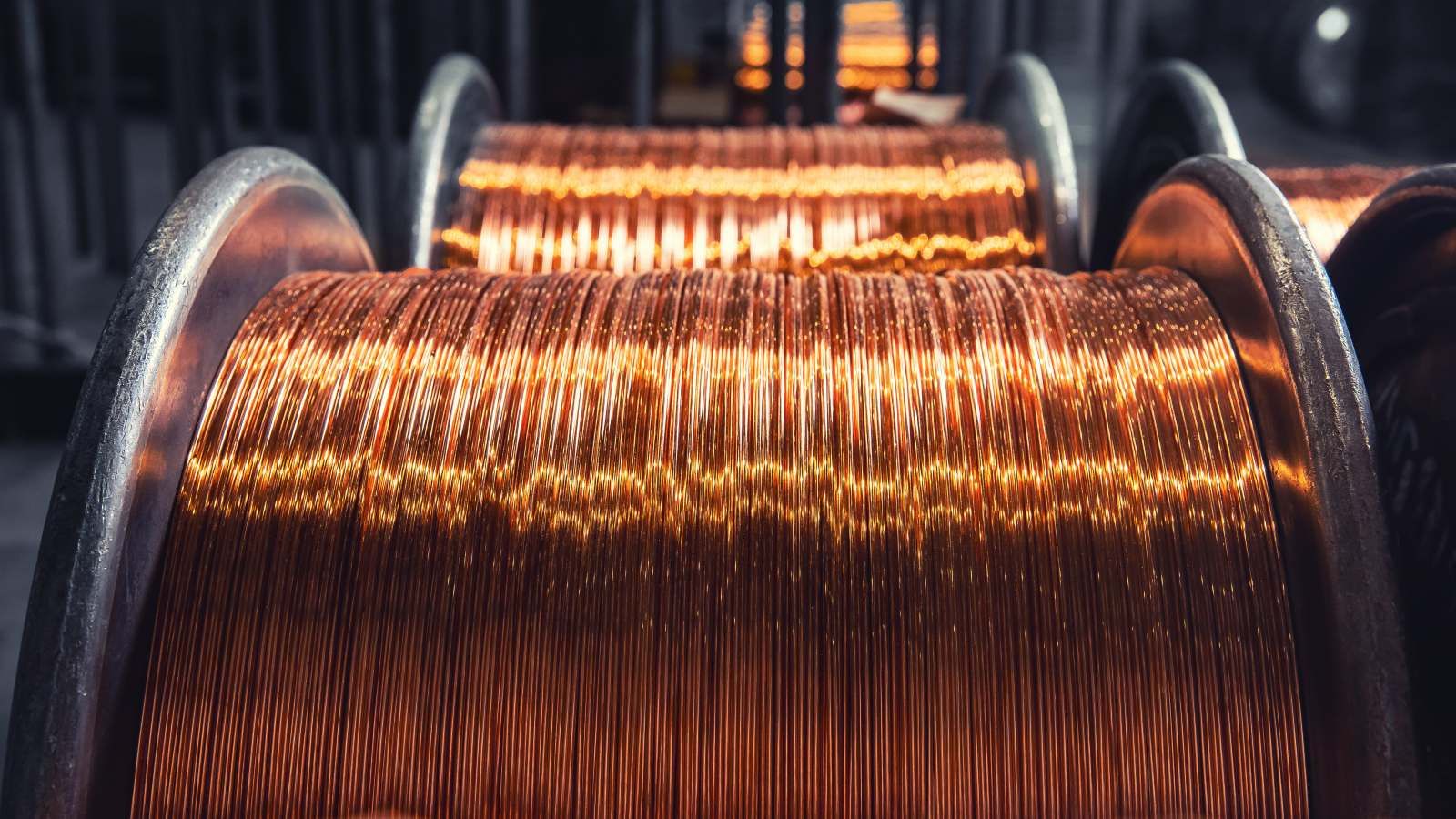
Copper is widely used in major sectors such as electronics, construction, automobiles, renewable energy, and healthcare. As the world shifts towards electric vehicles (EVs) and renewable energy, the demand for copper has significantly increased because it is a crucial component for their manufacturing.
Electric vehicles require a significant amount of copper as it is used in the battery, electric motor and wiring. Additionally, solar and wind farms require a high amount of copper for wiring, inverters and grid connections.
The expansion of AI data centres and global urbanisation, along with a low supply, is significantly boosting copper prices globally. However, experts believe that trade tariffs and geopolitical tensions may decrease copper demand and prices.
How to Invest in Copper in India?
You can invest in copper in India via the following methods.
Copper Stocks
You can directly purchase stocks of companies involved in copper mining, processing, or manufacturing. Since their profitability is tied to the demand for copper, high demand benefits these companies, potentially offering better returns on your investment.
Copper Futures
Experienced traders with a high-risk tolerance can invest in copper futures to gain direct exposure to the metal without physically owning it. Though copper is experiencing high demand from AI data centre expansion and renewable energy installations, future trading requires high leverage, margin requirements and high price volatility.
Copper Mutual Funds
If you prefer a passive approach to investing in copper, you can opt for commodity-focused or metal mutual funds that offer indirect exposure to copper. Mutual funds offer SIPs (Systematic Investment Plan) to allow investors to invest a fixed amount regularly instead of a single lumpsum payment.
Copper ETFs
Copper Exchange-Traded Funds (ETFs) are investment funds that offer exposure to the copper market without having to buy or sell physical copper. These copper ETFs track the metal by either holding physical copper or investing in copper futures contracts.
Copper ETFs are listed on stock exchanges and can be traded within the trading session, allowing investors to enter and exit positions smoothly.
Since India currently doesn’t have dedicated copper-backed ETFs, you can invest in global copper ETFs or global mining companies.
Benefits of Investing in Copper
The following are the benefits of investing in copper in India.
Shift Towards Clean Energy
As India moves towards green energy, such as solar and wind power, the demand for copper is increasing. This could benefit companies involved in copper mining and processing, increasing their profits and your investment value.
Electric Vehicle Adoption
Electric vehicles require a significant amount of copper for their batteries, wiring and electric motors, which further increases the demand for copper. This rising demand could support higher copper prices over the long term.
AI Data Centre Expansion
Companies involved in copper production may benefit from growing AI data centres and infrastructure as they require substantial cabling, connectors and cooling components, surging copper demand and prices.
Diversification
Copper is often considered a barometer of global industrial and manufacturing growth and can diversify against inflation-hedge gold, helping balance the return and risk of your investment portfolio.
Limited Supply
Declining copper ore grades and the increasing difficulty of discovering new reserves have contributed to a supply deficit. Since copper demand consistently exceeds the supply, the metal could offer long-term capital appreciation to investors.
Risk of Investing in Copper
The following are the risks of investing in copper in India.
High Volatility
Unlike gold, copper has high volatility, with prices experiencing dramatic and sudden price swings. The metal is sensitive to the global business cycle, where economic uncertainty and a slowdown in copper consumption in countries such as China could quickly pull down copper prices.
Geopolitical Tensions
Geopolitical tensions and environmental and government-imposed tariffs on copper-producing countries could significantly hamper supply and affect prices.
Company-Specific Risk
Investing in companies involved in copper mining and processing can expose investors to company-specific risks, such as operational failures, high debt, and poor management, which can increase overall investment risk.
Factors Investors Must Consider Before Investing in Copper
Before investing in copper, the investors must consider the following factors.
Global Macroeconomics
Copper prices are significantly influenced by global urbanisation and power grid expansions. Since China is the world's largest importer and consumer of copper, the recent decision by its top smelters to reduce production by over 10% may heavily impact global market prices, IEA suggests.
Geopolitical Risk
A major portion of the world's total copper comes from countries such as Chile and Peru; therefore, any regulatory shifts or political uncertainty within these countries could impact copper supply.
Cyclical Commodity
Copper is a highly cyclical commodity and is extremely sensitive to global economic health. Hence, experts suggest limiting your exposure to prevent excessive macroeconomic risk.
Currency Fluctuations
Since copper is traded globally in US dollars, a weakening rupee against the dollar could increase the real return on your investment. However, if the rupee strengthens against the dollar, your overall return on your investment may decline.

Copper prices experienced a significant surge driven by increased urbanisation, adoption of EVs and renewable energy. Investors seeking to gain exposure to the metal and earn potential returns can invest in copper stocks of companies involved in copper mining and processing, copper mutual funds and ETFs.
Before investing in copper, investors are advised to understand the factors and risks associated with making informed financial decisions.
FAQs
Can I invest in copper through ETFs in India?
Yes, you can invest in domestic copper ETFs that invest in copper stocks and global ETFs via Funds of Funds or global brokers.
Can I invest in copper through the stock market?
Yes, you can invest in copper in the stock market by purchasing stocks of companies involved in copper mining and processing in India.
Are copper mutual funds available in India?
There are no dedicated copper mutual funds in India; however, you can invest in commodity-focused or metal mutual funds.
What factors affect copper prices globally?
Factors such as urbanisation, declining ore grades, deficit supply, macroeconomics, trade tariffs and geopolitical events significantly affect copper prices globally.
Which sectors increase copper demand in India?
Sectors such as electric vehicles, traditional automotive manufacturing, AI infrastructure, healthcare, and renewable energy are driving up copper demand across India.
About Author
Mariyam Sara
Sub-Editor

holds an MBA in Finance and is a true Finance Fanatic. She writes extensively on all things finance whether it’s stock trading, personal finance, or insurance, chances are she’s covered it. When she’s not writing, she’s busy pursuing NISM certifications, experimenting with new baking recipes.
Read more from Mariyam














Upstox is a leading Indian financial services company that offers online trading and investment services in stocks, commodities, currencies, mutual funds, and more. Founded in 2009 and headquartered in Mumbai, Upstox is backed by prominent investors including Ratan Tata, Tiger Global, and Kalaari Capital. It operates under RKSV Securities and is registered with SEBI, NSE, BSE, and other regulatory bodies, ensuring secure and compliant trading experiences.
Related articles

Share Market
Cyclical vs Defensive Stocks: Differences, Examples and Strategy15 min read | Written by Bidita Sen

Share Market
What is Efficiency Ratio: Meaning, Types, Formula and More12 min read | Written by Sachin Gupta

Share Market
What is a Solvency Ratio: Meaning, Types, Benefits, Limitations and More12 min read | Written by Sachin Gupta
Share Market
Profitability Ratios: Meaning, Formula, Benefits, Limitations and More11 min read | Written by Sachin Gupta
Share Market
A Guide to American Depository Receipts (ADR) for Indian Investors13 min read | Written by Subhasish Mandal


Share Market
Nifty500 Ahimsa Index: Selection, Weighting & Ethical Framework17 min read | Written by Bidita Sen