What is a Corporate Bond? A Complete Guide to Corporate Bonds in India

Written by Sachin Gupta
Published on June 23, 2026 | 10 min read

Key Takeaways
- Corporate bonds offer regular income in terms of interest and principal repayments at maturity.
- The reduction in the minimum investment amount to ₹10,000 by SEBI for certain listed debt securities has increased investor interest.
- The interest rate on corporate bonds is dependent on credit rating, maturity, and market conditions.
When it comes to investment, shares, mutual funds, and fixed deposits come to investors’ mind first. But what if there was another asset class that provides regular income along with better returns than traditional savings products? That’s where the corporate bonds come into the picture. These fixed income instruments have gained popularity as they help investors diversify their portfolios and earn fixed returns.
The recent regulatory change has made the bond market more accessible and increased retail investors’ interest significantly in corporate bonds in India. If you have ever asked yourself, “What is a corporate bond?” and “How does it work?” then you have come to the right place!
What is a Corporate Bond?
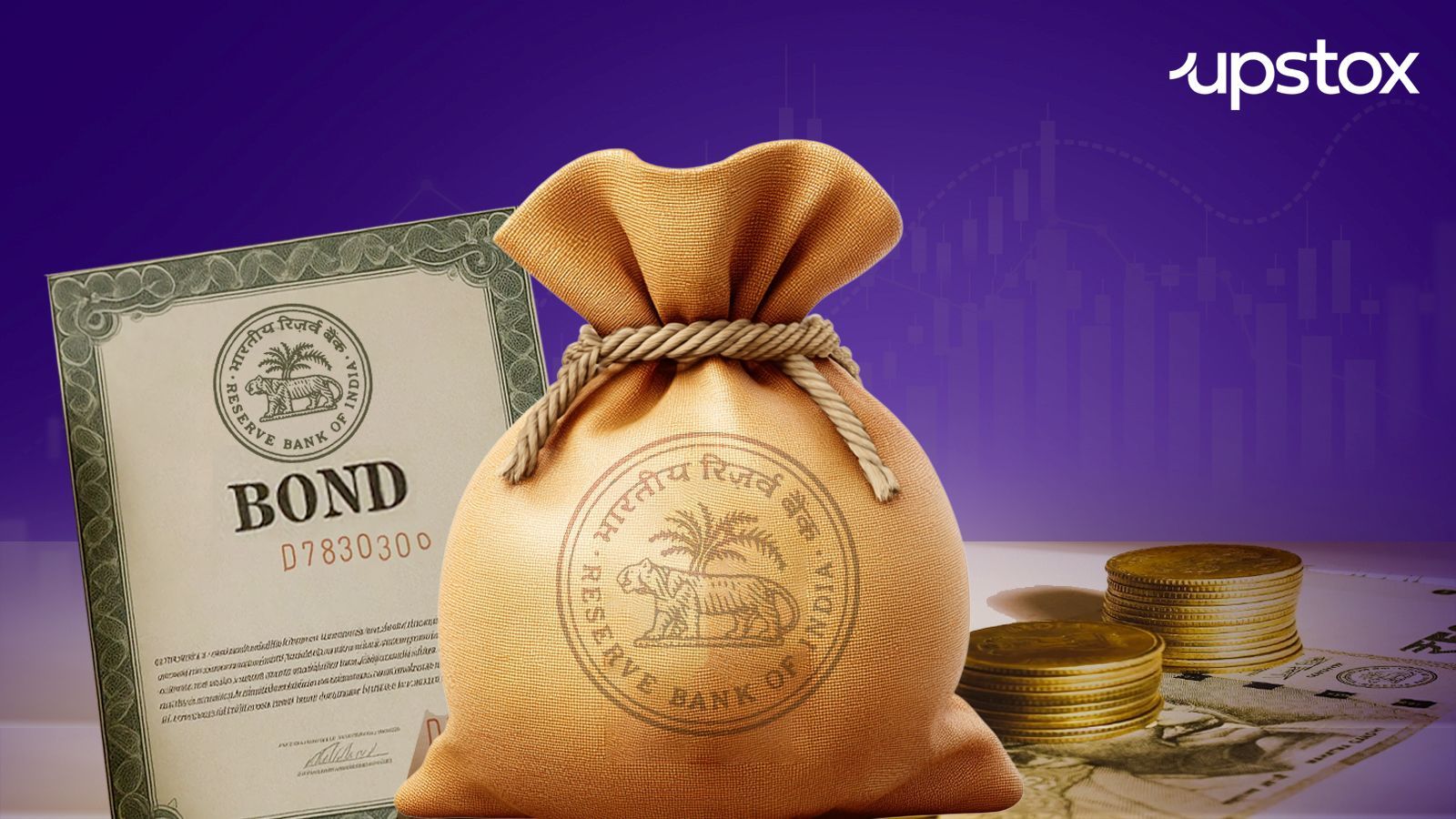
Corporate bonds are debt instruments issued by a company, where the holder of such securities is paid interest at regular intervals for a definite period of time and they get the principal amount back along with interest at maturity. Understand corporate bonds as a loan, where you become the lender and the issuing company becomes the borrower.
Bonds are issued by companies for various purposes such as:
- Expanding the business
- Launching new ventures
- Refinancing debts
- Meeting working capital needs
Let us understand corporate bonds with an example:
If a company issues a bond worth ₹1,00,000 with an annual interest rate of 10% for 5 years,the investor will receive:
- Interest to be Received Every Year: ₹10,000
- Total Interest: ₹50,000
- Principal Repayment at Maturity: ₹1,00,000
- Total Amount Received Over the Bond's Tenure: ₹1,50,000
Note: The example assumes a standard bond paying simple annual coupon interest.
How Do Corporate Bonds Work?
The process of buying a corporate bond is simple and straightforward:
- The company sells bonds to raise money.
- Bonds are purchased by investors.
- Coupons on interest payments are made by the company at regular intervals.
- After reaching the maturity period, the initial investment is paid back.
In contrast to shares, bonds give no ownership in the firm but generate income from interest payments.
Regulatory Stance on Corporate Bonds
The Securities and Exchange Board of India (SEBI) has taken various initiatives to improve retail investors’ access to the corporate bond market. In July 2024, SEBI took one of the most significant steps to ease the process of investing in bonds. The market regulator brought down the minimum face value of privately placed listed debt securities from ₹1 lakh to ₹10,000.
The purpose behind this step was to make corporate bonds more investable for retail investors. Before this, SEBI had already brought down the minimum denomination of privately placed debt securities from ₹10 lakh to ₹1 lakh in 2022. All these changes have resulted in a reduction of the entry barrier.
Corporate Bond Interest Rates
The biggest advantage of corporate bonds is the potential for fixed returns. Corporate bond interest rates are influenced by various elements, such as:
- Credit rating of the firm
- Market interest rates
- Duration of the bond
- Economic conditions
In most cases, corporate bonds with high credit ratings have low interest rates since they are less risky. In contrast, corporate bonds with lower credit ratings are generally associated with higher interest rates to cater to compensate investors for the additional risk.
How to Invest in Corporate Bonds in India?
If you are an investor looking specifically at how to invest in corporate bonds in India, the you can follow the steps mentioned below:
Step 1: Open a demat account with any registered stockbroker.
Step 2: Decide from where you would like to purchase the bond:
- The stockbroker app: Look for bonds on the stock exchange itself (NSE/BSE).
- A SEBI-approved bond trading platform.
Step 3: Compare credit ratings and returns before finalising the corporate bond purchase.
Step 4: Add funds and buy corporate bonds.
Also Read: Bonds Investment Guide 2026: Types, Returns, Risks & Tax Explained
Benefits of Investing in Corporate Bonds
There are various benefits of investing in corporate bonds. A few of them are listed below:
- Fixed Income: The corporate bonds’ interest rates are fixed and paid at specified intervals. Hence, they are well suited to income investors.
- Diversification: Corporate bonds can be included in the portfolio in conjunction with other investments like stocks to diversify risks.
- Potentially Higher Yield Than Fixed Deposits: In certain situations, corporate bonds yield more than the typical fixed deposits.
- Investment Choice: Bonds are available in diverse types according to creditworthiness, time periods, and expected gains.
Risks Associated With Corporate Bonds
It is important to understand these risks prior to investment:
- Credit Risk: The issuer may experience financial problems and be unable to pay interest or repay the principal amount.
- Interest Risk Risk: If interest rates increase, the value of already issued bonds may fall.
- Liquidity Risk: Certain bonds may not trade very often, and as such, it might be hard to sell them.
Corporate Bonds Taxation
It is necessary to understand the tax treatment of corporate bonds before investing. The taxation is dependent on whether you receive regular interest payments or sell the bond in the secondary market.
Interest Income
The interest earned each year on the corporate bonds (Non-Convertible Debentures or NCDs) is categorised under ‘Income from Other Sources’ and added to your gross annual income and taxed at the respective slab rates (5%, 20% or 30%). It should be noted that if the interest income from a bond exceeds ₹10,000 in one year, TDS will be deducted at a flat rate of 10%.
Capital Gains Taxation
The profit made from the sale of a corporate bond in the stock exchange prior to its maturity period is understood as capital gains. The rates of capital gains tax for listed corporate bonds depend upon the holding period of the assets as follows:
- Short-Term Capital Gains (STCG): If the holding period is not more than 12 months, then the gains will be considered STCG. The gains will be included in the individual’s income and taxed at regular income tax slabs.
- Long-Term Capital Gains (LTCG): If the holding period exceeds 12 months, the gains shall be considered long-term capital gains and taxable at the rate of 12.5%.
Important Note: These tax laws apply to listed bonds on any of the recognised stock exchanges. A gain on unlisted corporate bonds is considered STCG and is taxable at the applicable slab rate regardless of the holding period. In addition, tax regulations may change with time, and thus investors need to ensure that they are well-informed about the existing laws.
Factors to Consider Before Investing in Corporate Bonds
- Credit Rating: It is necessary to check the rating of the bond since it represents the financial capability of the issuer to pay off its obligations.
- Financial Strength of the Company: The company should have good financial performance, profits, low debts, and healthy cash flows..
- Interest Payment Frequency: Learn how often you will get payments from your bond (monthly, quarterly, semi-annually, or annually).
- Maturity Date: Consider the term of the bond and the date of the repayment of the principal amount of money.
- Taxation: Investors should always check the tax treatment of interest income and capital gains, as it is subject to change and may impact your returns.
Key Differences Corporate Bonds and Shares
| Feature | Corporate Bonds | Shares |
|---|---|---|
| Ownership | Investors become creditors after purchasing corporate bonds. | Investors invest in the firm and thus become owners of the firm. |
| Returns | Fixed interest payments with return of the principal at the end of the period. | Returns accrue from capital gains and dividends, if any. |
| Risk Level | Relatively low compared to stocks but depends on the credit rating of the issuing firm. | Relatively high due to the changing fortunes of the market. |
| Income Predictability | Interest payments are known and fixed. | Dividend payments are not certain. |
| Priority During Liquidation | Usually, bondholders have priority over stockholders. | Creditors and bondholders have priority over stockholders. |
| Maturity Date | Bonds have a fixed maturity date when the principal is repaid. | Shares do not have a maturity date and can be held indefinitely. |
| Return Potential | Generally offers stable but relatively lower returns. | Potential for higher long-term returns, but with greater volatility. |

Corporate bonds give investors an option of earning regular income along with diversification benefits. As corporate bonds in India have become more accessible through regulatory measures, they have become even more attractive for retail investors. Corporate bonds can be an ideal option for investors seeking a balance between risk and returns.
FAQs
What is a corporate bond?
A corporate bond is a debt investment where investors lend money to a company in exchange for regular interest payments and repayment of the principal amount at maturity.
How do corporate bonds work?
Companies issue bonds to raise funds, and investors who buy these bonds receive periodic interest payments. Once the bond matures, the company repays the original investment amount.
Are corporate bonds safe investments?
Corporate bonds carry lower risk than equities in many cases, but they are not risk-free. The safety of a bond depends on factors such as the issuer’s financial health, credit rating and market conditions.
What are corporate bond interest rates?
Corporate bond interest rates are the returns paid by companies to bondholders. These rates depend on factors such as the company’s credit rating, bond tenure and prevailing market interest rates.
How to invest in corporate bonds in India?
Investors can invest in corporate bonds in India through stock exchanges, SEBI-regulated online bond platforms, brokers or debt mutual funds.
What is the minimum amount required to invest in corporate bonds?
SEBI has reduced the minimum face value for certain listed debt securities from ₹1 lakh to ₹10,000, making corporate bonds more accessible to retail investors.
Are corporate bonds taxable?
Yes, interest earned from corporate bonds is generally added to an investor’s income and taxed according to the applicable income tax slab. Capital gains from selling bonds may also attract taxes based on the holding period.
What is the difference between corporate bonds and shares?
Corporate bonds represent lending money to a company and provide fixed interest income, while shares represent ownership in a company and offer returns through price appreciation and dividends.
About Author
Sachin Gupta
Senior Sub-Editor

is a seasoned financial writer with over eight years of experience across global markets, including Australia, the UK, and New Zealand. He specialises in simplifying complex financial concepts, making them accessible and engaging for a wide range of readers. When he’s not writing or traveling, he can often be found exploring the mountains, drawing inspiration from the calm and clarity of the outdoors.
Read more from Sachin

















Upstox is a leading Indian financial services company that offers online trading and investment services in stocks, commodities, currencies, mutual funds, and more. Founded in 2009 and headquartered in Mumbai, Upstox is backed by prominent investors including Ratan Tata, Tiger Global, and Kalaari Capital. It operates under RKSV Securities and is registered with SEBI, NSE, BSE, and other regulatory bodies, ensuring secure and compliant trading experiences.
Related articles

Personal Finance
Investing in Debt Instruments: Meaning, Types, Benefits, Risks and More13 min read | Written by Sachin Gupta


Personal Finance
Time Value of Money: Meaning, Formula, How to Calculate It?10 min read | Written by Subhasish Mandal

Personal Finance
What is Public Provident Fund: Meaning, Benefits, Risks, Investment Process and More12 min read | Written by Sachin Gupta

Personal Finance
Complete Guide to Debt Investments in India: Types, Benefits, Risks, and More13 min read | Written by Sachin Gupta

Personal Finance
What is E-Insurance Account and How to Open it?12 min read | Written by Subhasish Mandal

Personal Finance
Post Office Time Deposit: A Complete Guide to Interest Rates, Eligibility & Benefits13 min read | Written by Sachin Gupta

Personal Finance
Bond Yields Explained: Understanding Coupon Rate, Current Yield, and YTM11 min read | Written by Sachin Gupta