ICICI Lombard General Insurance
ICICI Lombard offers comprehensive plans for protecting your vehicle, including swift claim settlements, 24/7 roadside assistance, and coverage tailored to every ride.
Top rated plan
from 5 Insurance plans


Features
Copayment
Inclusion

Third party injury
Covers any injury/death caused due to accidents outside the vehicle
Third party property
Covers any damage/loss to third party property
Own damage
Covers repair/replacement costs of your vehicle damaged in an accident
Claim process


About
Founded in 2001, ICICI Lombard General Insurance Company Limited is a joint venture between ICICI Bank Limited and Fairfax Financial Holdings Limited. As one of the leading private sector general insurance companies in India, ICICI Lombard offers a comprehensive range of insurance products, including motor, health, travel, home, and weather insurance. The company is headquartered in Mumbai, and its CEO is Mr. Bhargav Dasgupta. ICICI Lombard is known for its customer-centric approach, innovative insurance solutions, and robust digital platform, making it a prominent player in the Indian insurance market.
The fine print
 Download the full policy brochure
Motor Insurance
Features of Motor Insurance
Compliance
Having at least third-party liability insurance is mandatory as per the Motor Vehicles Act.
Cashless Repairs
A large network of workshops offers cashless repairs at the time of need.
Third Party Liability Cover
Protects you against claims from third parties for injury, death, or property damage caused by your vehicle
Personal Accident Cover
Offers compensation in case of accidental death or permanent disability of the owner-driver.
Add-ons
You can enhance the value of the policy by choosing different add-ons, such as zero-dep and engine protection.
Customization and Flexibility
From payment options to policy features, you get the freedom to choose.
Categories of Motor Insurance

Car Insurance
Car insurance offers financial protection for private four-wheelers against accidents, theft, natural disasters, and third-party liabilities. It is mandatory to have at least third-party cover, while comprehensive plans provide wider coverage, including own damage and options to enhance the insurance coverage through add-ons.
Two-Wheeler Insurance
Two-wheeler insurance safeguards bikes and scooters from road mishaps, theft, and damage due to man-made or natural causes. It also ensures legal compliance and offers personal accident cover for the rider.
Commercial Vehicle Insurance
Commercial vehicle insurance is specifically designed for vehicles used in the transportation of goods, passenger carriage, or other business operations. It covers damages and third-party liabilities, helping businesses manage operational risks.
Car Insurance
Car insurance offers financial protection for private four-wheelers against accidents, theft, natural disasters, and third-party liabilities. It is mandatory to have at least third-party cover, while comprehensive plans provide wider coverage, including own damage and options to enhance the insurance coverage through add-ons.
Two-Wheeler Insurance
Two-wheeler insurance safeguards bikes and scooters from road mishaps, theft, and damage due to man-made or natural causes. It also ensures legal compliance and offers personal accident cover for the rider.
Commercial Vehicle Insurance
Commercial vehicle insurance is specifically designed for vehicles used in the transportation of goods, passenger carriage, or other business operations. It covers damages and third-party liabilities, helping businesses manage operational risks.
Type of Motor Insurance
Covers third-party injury, death, or property damage involving your vehicle
All vehicle owners (legally mandatory)
- Third-party bodily injury
- Third-party property damage and legal expenses
- Own vehicle damage
- Personal accident cover
Reasons to Buy Insurance
Legal Requirement
Third-party motor insurance is mandatory under Indian law to drive any vehicle on public roads.
Financial Protection
Shields you from hefty expenses arising from accidents, theft, or natural disasters.
Covers Third-Party Liabilities
Protects you from legal and financial liabilities if your vehicle causes harm to another person or their property.
Own Vehicle Protection
Comprehensive and own-damage policies cover repairs or replacement costs for your own vehicle.
Peace of Mind
Knowing you're covered helps reduce stress while driving, especially in high-risk or uncertain conditions.
Add-On Customization
Add-ons like zero depreciation or roadside assistance let you tailor your policy to suit your specific needs.
Things to Consider While Buying Motor Insurance
What Impacts Your Motor Insurance Premium?
Motor insurance premiums depend on various factors, including vehicle type, age, location, coverage, claim history, and optional add-ons. Higher risks or broader coverage usually result in a higher premium amount.
How to Buy Motor Insurance
Visit the Upstox website or app and enter your details.
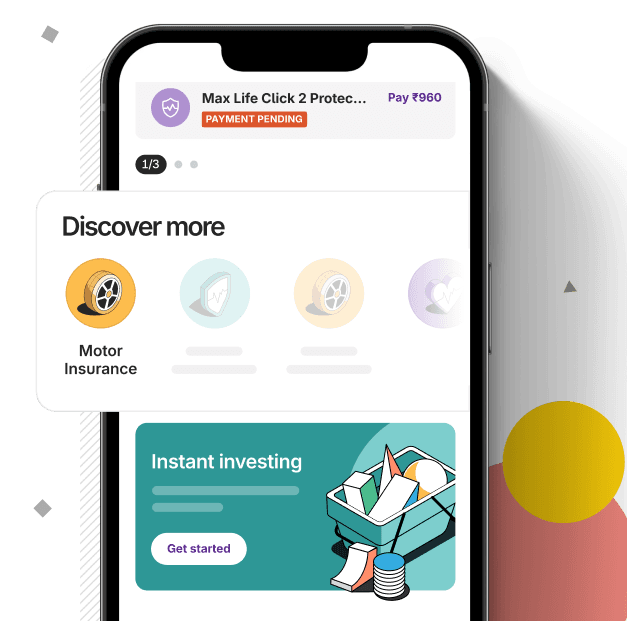
Visit the Upstox Website or App
Visit the Upstox website or app and enter your details.
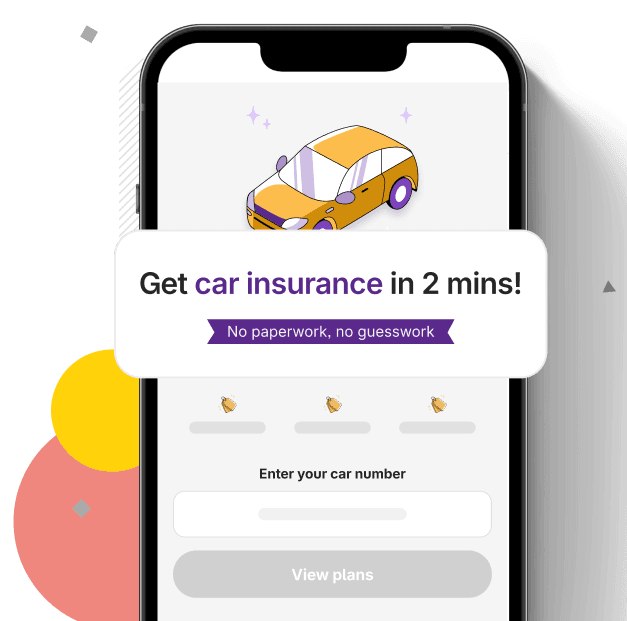
Enter Vehicle Details
Provide your vehicle's registration number, model, and other details.
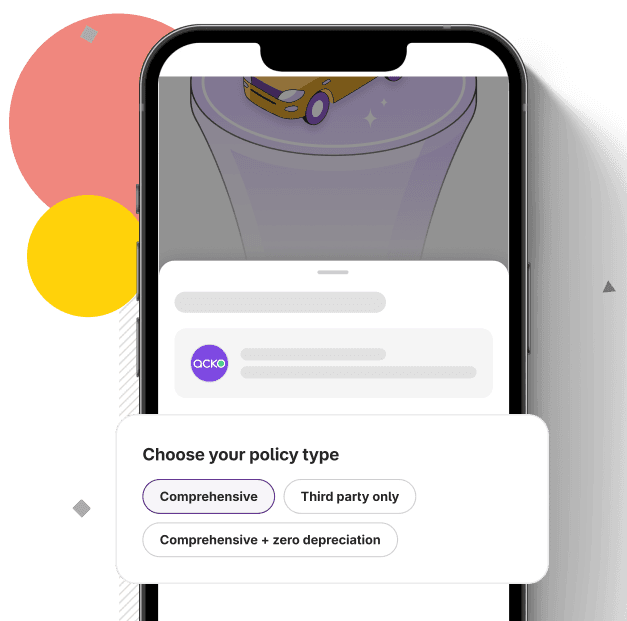
Select Coverage Type
Choose between third-party, own-damage, or comprehensive coverage.
Compare Policies and Add-Ons
Evaluate available plans and select necessary add-ons like zero depreciation or roadside assistance.
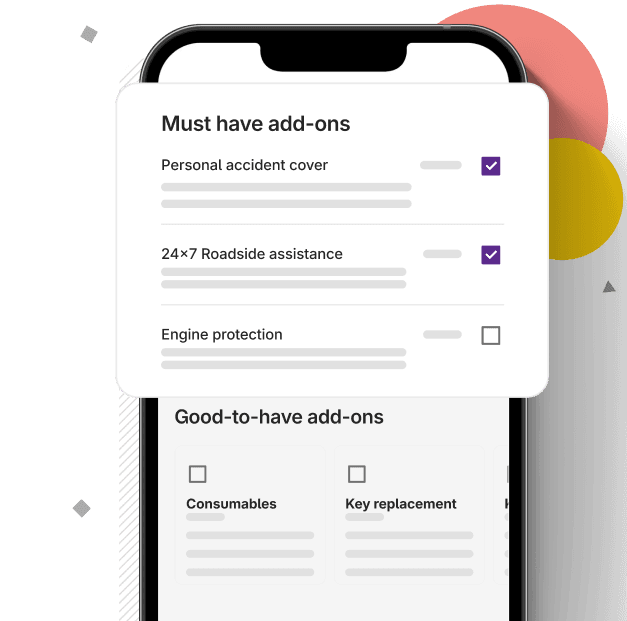
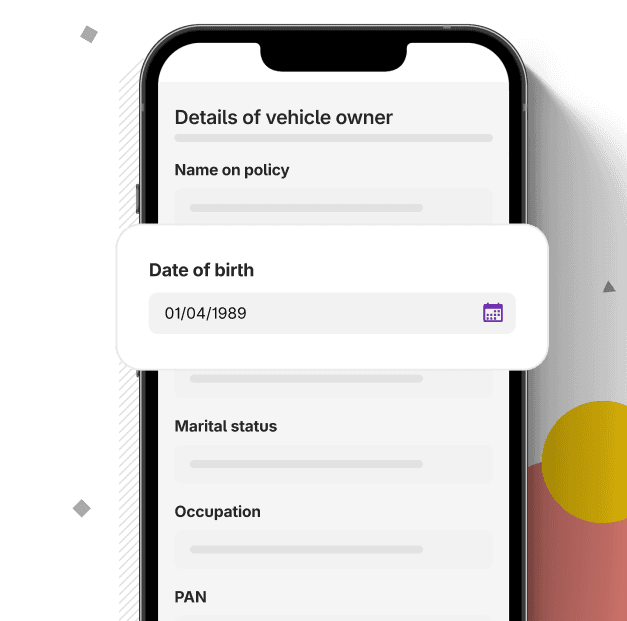
Fill Out Personal Information
Enter your name, contact details, and nominee information.
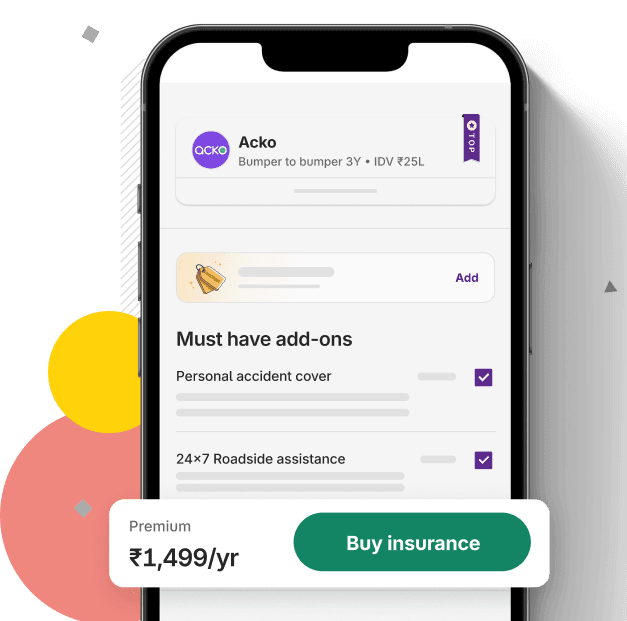
Review and Make Payment
Carefully review the policy terms, conditions, and exclusions. Proceed with the payment.
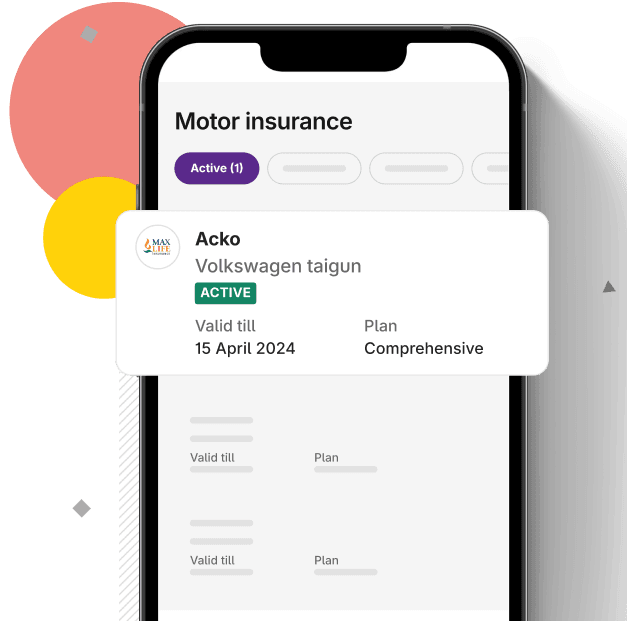
Receive Policy Documents
After successful payment, the policy documents will be sent to you digitally for easy access.
How to File a Motor Insurance Claim?
You can file a claim in two primary ways: 1) Cashless Claim: At a network garage, where the insurer pays the garage directly 2) Reimbursement Claim: You pay for the repairs, and the insurer reimburses later

FAQs
Is motor insurance mandatory in India?

Yes, at least third-party motor insurance is legally required to drive any vehicle on Indian roads.
What is the difference between third-party and comprehensive insurance?
Third-party insurance covers damage to others, while comprehensive insurance also protects your own vehicle against theft, damage, and disasters.
Can I customize my motor insurance policy?
Yes, you can customize it with add-ons like zero depreciation, engine protection, roadside assistance, and more.
What is IDV in motor insurance?
IDV (Insured Declared Value) is the maximum amount you can claim if your vehicle is stolen or declared a total loss.
Do I need both third-party and own damage insurance?
Yes, if you want full coverage. Own damage covers your vehicle, while third-party is legally required for liabilities.
How is the motor insurance premium calculated?
Premium is based on vehicle type, age, location, coverage chosen, IDV, driving history, and selected add-ons.
How do I file a motor insurance claim?
Inform the insurer, document the damage, submit required documents, and let the insurer handle inspection and settlement.
What are the exclusions in motor insurance?
Common exclusions include regular wear and tear, drunk driving, driving without a license, and deliberate damage.
Can I transfer my No Claim Bonus (NCB) to a new vehicle?
Yes, NCB is transferable to your new vehicle if you switch insurers or buy a new policy in your name.
What documents are needed for a claim?
You’ll need your insurance policy, registration certificate (RC), driver’s license, claim form, and repair estimates.
By signing up, you agree to receive transaction updates from Upstox.