What is Paper Trading and How Does it Work?

Written by Subhasish Mandal
Published on June 11, 2026 | 7 min read

Key Takeaways:
-
Paper trading is a simulated form of trading in which investors buy and sell securities using virtual money instead of real funds.
-
Paper trading helps new traders experience real market conditions and learn trading without risking real money.
-
Paper trading platforms are also useful for experienced traders looking to test and refine their trading strategies before deploying them in live markets.
Paper trading has become an essential learning tool for individuals entering the share market. It allows traders to practice stock trading using virtual money without risking real capital.
Whether you are a beginner looking to learn markets or an experienced trader looking to test strategies, paper trading provides a realistic environment to understand market movements and improve decision-making skills.
This article discusses what paper trading is, how it works, its importance, how to get started, and its advantages.
What is Paper Trading?
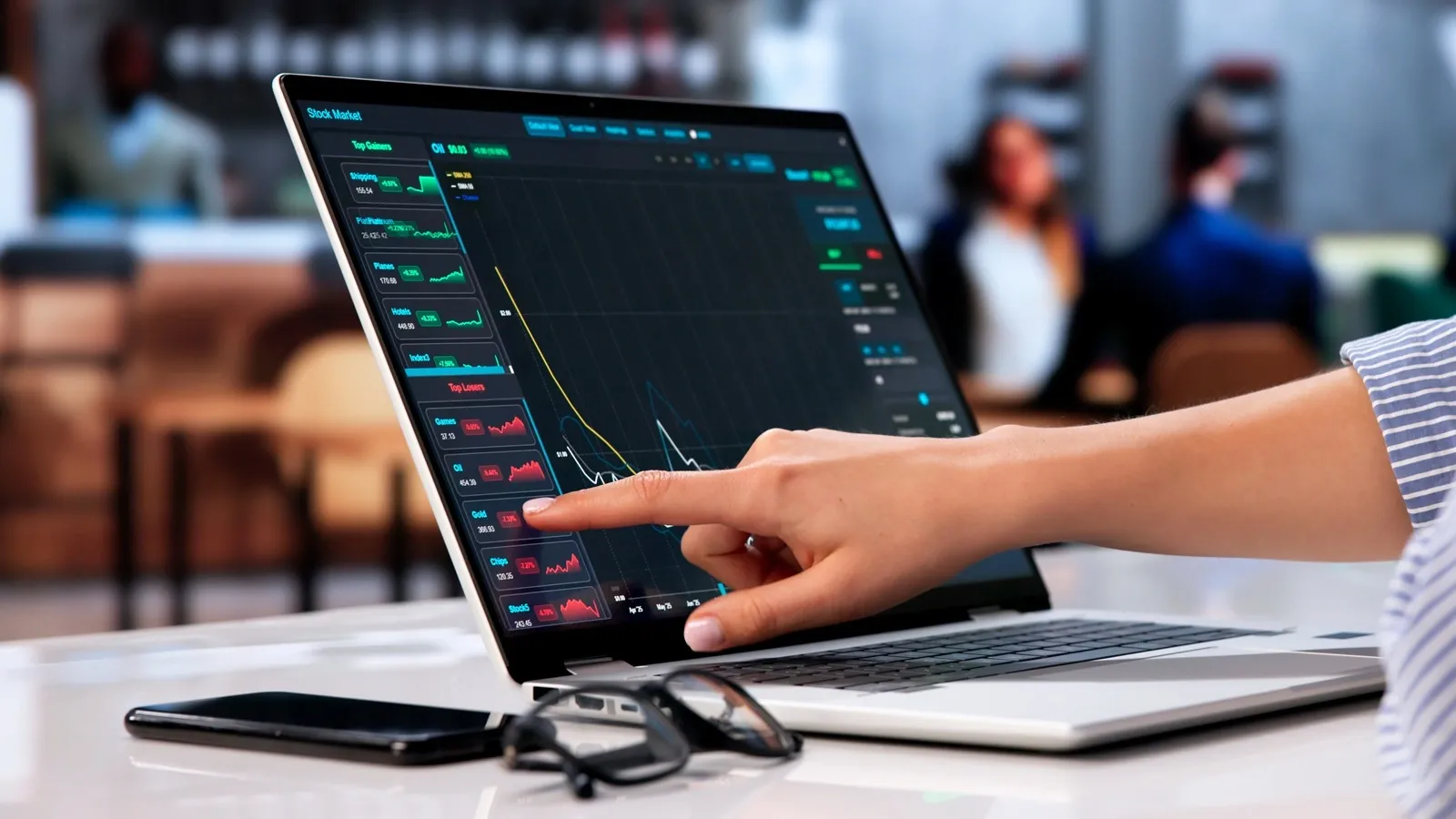
Paper trading is a simulated form of stock trading in which investors buy and sell securities using virtual money instead of real funds. It replicates actual market conditions, enabling users to gain practical experience in the share market without taking financial risk.
Historically, traders recorded hypothetical trades on paper to track their performance, which is why the concept is known as paper trading. Today, various digital platforms provide real-time market data and virtual portfolios, making paper trading more accessible, realistic, and effective.
The primary objective of paper trading is to help individuals understand how stock trading works before transitioning to live trading with real money.
Also Read: What is Scalp Trading?
How Does Paper Trading Work?
Paper trading platforms simulate real market conditions by providing live or delayed market data and price feeds. Users are usually given a predefined amount of virtual money to execute trades across different financial instruments.
The process is almost similar to live trading. Traders analyse stocks, place orders, monitor positions, and track profits or losses using a virtual trading account.
The process generally involves selecting stocks, determining entry and exit points, placing buy or sell orders and reviewing trading outcomes. Since no real money is involved, traders can learn from mistakes and gain experience without incurring financial losses.
Also Read: Investing vs Trading
Importance of Paper Trading
Paper trading plays a meaningful role in developing trading skills and building confidence before entering the live market environment.
Here are a few points that discuss the importance of paper trading:
- Risk-Free Learning:
Paper trading enables beginners to gain practical trading experience and understand stock trading mechanics without risking actual capital.
- Strategy Testing:
Traders can evaluate different trading approaches under real market conditions before implementing them in live trading.
- Emotional Preparation:
Practising through simulations helps traders recognise emotional responses associated with profits and losses.
- Market Understanding:
It provides hands-on exposure to price fluctuations, market trends, and order execution processes.
- Performance Evaluation:
Traders can identify strengths and weaknesses by analysing trading outcomes over time.
- Confidence Building:
Consistent practice using virtual money improves discipline and decision-making abilities.
How to Start Paper Trading?
Starting to paper trade is a straightforward process:
Choose a Paper Trading Platform
The first step is selecting a reliable platform offering virtual trading facilities. Look for platforms that provide real-time data, user-friendly interfaces, portfolio tracking, and educational resources.
Create an Account
After selecting a platform, register by creating an account. Most paper trading platforms offer free access and provide users with virtual money for practice purposes.
Learn Basic Concepts Related to the Market
Before placing simulated trades, understand essential concepts related to stock trading.
-
Learn about shares, stock exchanges, and how ownership in companies works.
-
Understand market orders, limit orders, and stop-loss orders for efficient trade execution.
-
Study techniques to control potential losses and preserve trading capital.
-
Explore chart patterns, indicators, and price trends to support trading decisions.
Build a Virtual Portfolio
Use the available virtual money to create a diversified portfolio. Select stocks from different sectors and allocate funds based on your trading objectives and risk tolerance. Building a virtual portfolio helps traders understand asset allocation and portfolio management principles.
Explore Trading Types and Strategies
Paper trading provides an opportunity to experiment with different trading approaches.
- Intraday trading
- Swing trading
- Momentum trading
- Breakout trading
Track Performance
Maintaining a record of every trade is essential for improvement. Review performance regularly to identify patterns and areas requiring attention.
Transition to Real Trading
After achieving consistency through paper trading, consider moving towards live trading. Begin with small investments and continue applying the principles developed during practice sessions. The transition should focus on maintaining discipline while adapting to emotional challenges associated with real money.
Paper Trading vs Real Trading
The difference between paper trading and real trading is as follows:
| Basis | Paper Trading | Real Trading |
|---|---|---|
| Capital Used | Virtual money is used for transactions | Actual funds are invested in the market |
| Financial Risk | No monetary losses occur | Investors can experience real financial losses |
| Emotional Impact | Limited emotional involvement exists | Fear and greed significantly influence decisions |
| Market Experience | Simulated environment replicates market conditions | Direct exposure to actual market dynamics |
| Execution Quality | Orders may not reflect real execution conditions | Slippage and liquidity impact trade execution |
| Learning Purpose | Primarily educational and experimental | Focused on generating actual investment returns |
| Pressure Levels | Lower psychological stress is involved | Higher pressure due to financial consequences |
| Risk Management | Theoretical application of risk principles | Practical implementation becomes essential |
Benefits of Paper Trading
Paper trading offers several advantages for new traders and investors.
- Financial Safety:
Participants learn stock trading without exposing themselves to monetary losses.
- Skill Development:
Continuous practice strengthens analytical and decision-making capabilities.
- Strategy Validation:
Trading systems can be tested before applying them in live trading environments.
- Confidence Building:
Familiarity with market operations reduces hesitation during actual trading.
- Platform Navigation:
Users become comfortable navigating trading interfaces and executing orders.
- Performance Improvement:
Regular reviews help identify opportunities for refinement and growth.
- Market Exposure:
Traders gain experience responding to changing market conditions.
Limitations of Paper Trading
Despite its advantages, paper trading also has certain limitations, which are as follows:
- Lack of Emotional Pressure:
Virtual money does not replicate the psychological stress associated with real trading.
- Execution Differences:
Simulated trades may not accurately reflect slippage and liquidity constraints.
- Overconfidence Risk:
Success during paper trading can create unrealistic expectations about live trading.
- Limited Consequences:
Mistakes involving virtual money may not encourage disciplined behaviour.
- Behavioural Differences:
Traders often take greater risks when no actual capital is involved.
- Incomplete Experience:
Paper trading cannot fully prepare individuals for the emotional aspects of live trading.

Conclusion
Paper trading serves as a valuable tool that bridges the gap between theoretical knowledge and practical application in the share market.
By allowing individuals to practice stock trading using virtual money, it offers a safe environment to develop strategies, understand market behaviour, and improve trading discipline.
Although paper trading cannot fully replicate the emotions associated with live trading, it remains an effective educational tool for both beginners and experienced market participants. The insights gained through consistent practice can significantly enhance your decision-making skills and help traders build confidence before entering the live market.
About Author
Subhasish Mandal
Sub-Editor


A finance professional with strong expertise in stock market and personal finance writing, he excels at breaking down complex financial concepts into simple, actionable insights. Holding a Master’s degree in Commerce, he combines academic depth with practical knowledge of technical analysis and derivatives.
Read more from Subhasish





















Upstox is a leading Indian financial services company that offers online trading and investment services in stocks, commodities, currencies, mutual funds, and more. Founded in 2009 and headquartered in Mumbai, Upstox is backed by prominent investors including Ratan Tata, Tiger Global, and Kalaari Capital. It operates under RKSV Securities and is registered with SEBI, NSE, BSE, and other regulatory bodies, ensuring secure and compliant trading experiences.
Related articles
Share Market
What Is a Market Correction? Meaning, Causes, and Strategy15 min read | Written by Bidita Sen

Share Market
Cyclical vs Defensive Stocks: Differences, Examples and Strategy15 min read | Written by Bidita Sen

Share Market
What is Efficiency Ratio: Meaning, Types, Formula and More12 min read | Written by Sachin Gupta
Share Market
What is a Solvency Ratio: Meaning, Types, Benefits, Limitations and More12 min read | Written by Sachin Gupta
Share Market
Profitability Ratios: Meaning, Formula, Benefits, Limitations and More11 min read | Written by Sachin Gupta
Share Market
A Guide to American Depository Receipts (ADR) for Indian Investors13 min read | Written by Subhasish Mandal