Kisan Vikas Patra Scheme: Meaning, Benefits, Taxation and More

Written by Sachin Gupta
Published on May 29, 2026 | 7 min read

Key Takeaways
- Kisan Vikas Patra scheme is a government-backed savings scheme that offers guaranteed returns with a fixed rate of interest.
- Investors can purchase Kisan Vikas Patra through any post office or selected bank in India.
- The interest rate of Kisan Vikas Patra is revised every quarter by the Government of India, subject to market conditions.
- Kisan Vikas Patra is ideal for the conservative investors looking for safe, long-term wealth creation without exposure to market risks.
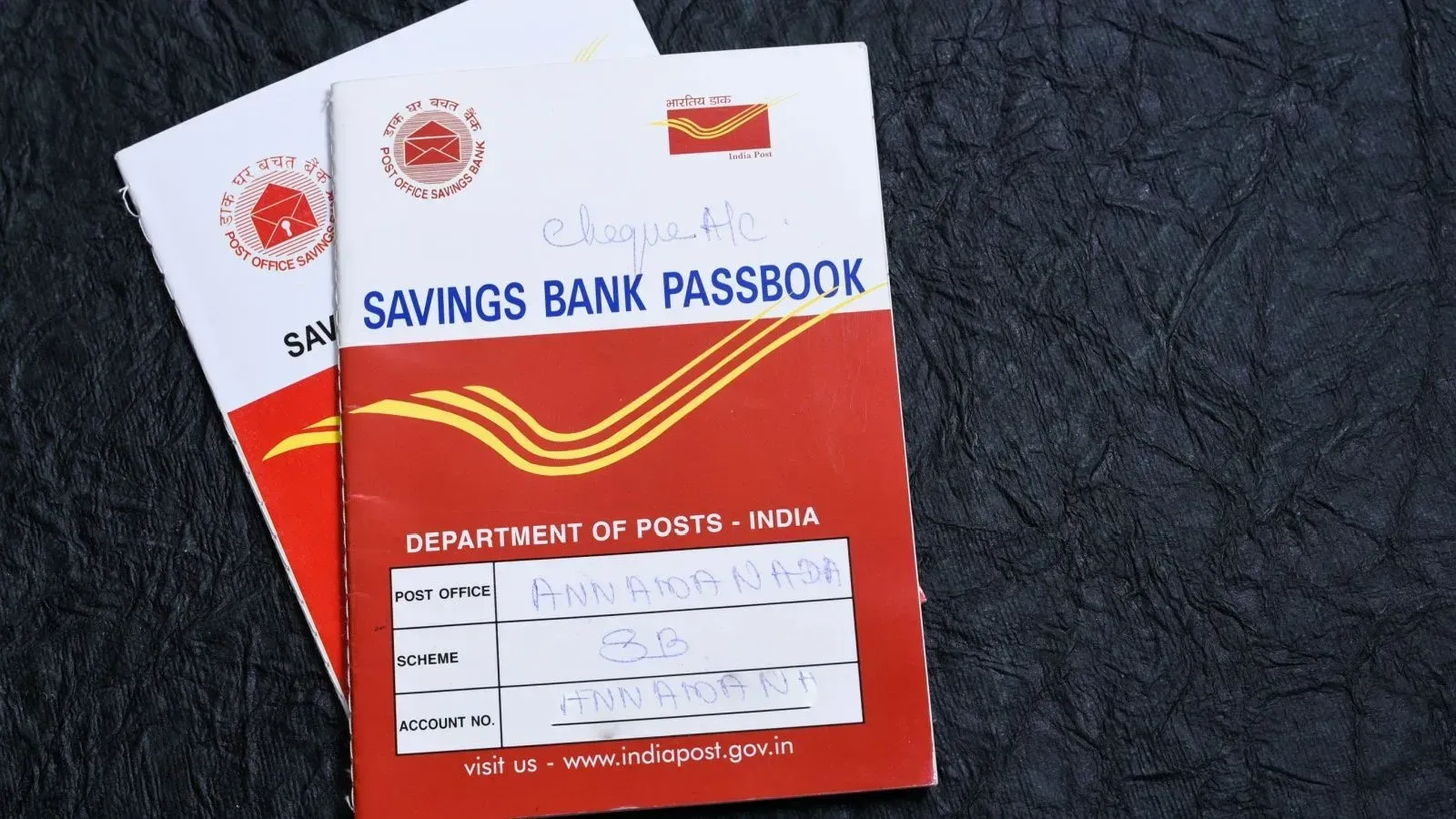
Kisan Vikas Patra (KVP) scheme is one of the popular investment schemes among conservative investors due to the backing of the government. Initially, the scheme was launched to promote long-term savings among farmers, but later it was extended to all Indian citizens looking for fixed returns without market risks.
The biggest feature of the Kisan Vikas Patra post office scheme is its fixed return guarantee and the ability to double your investment over a fixed tenure. In this article, we will delve deeper into the Kisan Viksas Patra Scheme, its features, taxation and more.
What is Kisan Vikas Patra Scheme?
Launched in 1988, Kisan Vikas Patra is a small savings scheme offered through post offices and selected banks in India. It is a fixed-investment scheme, and the depositor's amount grows at a predetermined interest rate.
Individuals can start investing in KVP with a minimum investment of ₹1,000 and in multiples of ₹100. It is important to note that there is no cap on maximum limits. However, individuals will require PAN details on the investment above ₹50,000.
Currently, Kisan Vikas Patra Scheme comes with an annual fixed interest rate of 7.5% (compounding yearly). However, the interest rate is revised by the Ministry of Finance, Government of India, every quarter depending on the market conditions. By applying the rule of 72, your investment of ₹1,00,000 in Kisan Vikas Patra Scheme will double in 9.6 years.
Kisan Vikas Patra Eligibility Criteria
The following individuals are eligible to invest in Kisan Vikas Patra Scheme:
- Resident Indian citizen.
- Joint account holders (up to 3 adults).
- Guardians on behalf of minors.
- Minors above 10 years in their own name.
Note: To convert a minor account into an adult account upon reaching 18 years of age, account holders must submit a new account opening form and fresh KYC documents to their post office.
How to Invest in Kisan Vikas Patra Scheme?
The eligible individuals can purchase KVP from any post office and selected public banks. Here is a simple process to invest in Kisan Vikas Patra Scheme:
Step 1: Visit a nearby post office or authorised bank.
Step 2: Fill the Kisan Vikas Patra application form.
Step 3: Submit KYC documents such as:
- Aadhaar Card
- PAN Card
- Address Proof
Step 4: Now, deposit the investment amount through cash, cheque or demand draft.
Step 5: Post verification, the KVP certificate will be issued.
Features and Benefits of Kisan Vikas Patra
Kisan Vikas Patra scheme provides several benefits, which makes the scheme attractive for conservative investors:
- Fixed Return: Kisan Vikas Patra scheme is backed by the Government of India. This ensures the complete safety of the invested amount and maturity proceeds.
- Attractive Interest Rate: The current rate of interest on Kisan Vikas Patra is 7.5% compounded annually. However, it is worth noting that the interest rates are revised by the government every quarter subject to market conditions.
- Flexible Investment Amount: The government has prescribed a minimum investment of ₹1,000 and no cap on the maximum limit. This makes it feasible for small and big investors.
- Easy Transfer Facility: KVP certificates can be transferred from one person to another or from one post office to another.
Taxation on Kisan Vikas Patra
Individuals should understand the taxation criteria of KVP before investing:
- Tax Benefits: KVP does not come with deduction benefits under Section 80 of the Income Tax Act 1961.
- TDS: There will be Tax Deducted at Source on the maturity
- Tax on Interest: The interest earned on the KVP is fully taxable as “Income from Other Sources”.
Also Read: Check Investment Guide for the Post Office Monthly Income Scheme 2026
Who Should Invest in Kisan Vikas Patra Scheme?
Kisan Vikas Patra scheme is suitable for investors seeking stability rather than aggressive wealth creation.
The scheme is best for:
- Risk-averse investors.
- Retired individuals looking for safe returns.
- Individuals looking for long-term savings instruments.
- Rural investors who prefer government-backed schemes.
Kisan Vikas Patra: Premature Closure Rules
Kisan Vikas Patra comes with a lock-in period of 30 months and premature closure is not allowed except in the cases mentioned below:
- Death of account holder
- Court order
- Forfeiture by pledgee
How to Transfer Kisan Vikas Patra Scheme?
KVP certificates can be transferred in two ways:
Transfer from One Person to Another
Transfer of KVP is allowed in the following cases:
- Death of account holder
- Through court orders
- Between joint holders
Transfer from One Post Office to Another
Investors can transfer their KVP account to another post office by submitting:
- Transfer application
- Original certificate
- Identity proof
KVP vs NSC vs SCSS vs FD vs PPF: Key Difference
| Feature | KVP | NSC | SCSS | Bank FD | PPF |
|---|---|---|---|---|---|
| Backed By | Govt. of India | Govt. of India | Govt. of India | Bank/NBFC | Govt. of India |
| Interest Payout | Compounded annually, paid at maturity | Compounded annually, paid at maturity | Quarterly payout | Monthly/quarterly/cumulative options | Compounded annually |
| Lock-in | Yes | 5 years | 5 years | Depends on FD type | 15 years |
| Tax Deduction u/s 80C | No | Yes | Yes | Only tax-saving FD | Yes |
| Tax on Interest | Taxable | Taxable | Taxable | Taxable | Tax-free |
| Risk Level | Very low | Very low | Very low | Low (depends on bank) | Very low |
| Premature Withdrawal | Restricted | Restricted | Allowed with conditions | Usually allowed with penalty | Partial after certain years |

The Kisan Vikas Patra scheme is one of the most popular fixed-income investment options in India. The scheme provides peace of mind to conservative investors due to its government backing, guaranteed returns and easy accessibility via Kisan Vikas Patra post office network. Despite no tax benefits, the scheme’s fixed returns and capital safety make it a strong choice for investors who prioritise capital safety over high-risk investments.
FAQs
What is Kisan Vikas Patra (KVP)?
Kisan Vikas Patra is a government-backed savings scheme that offers guaranteed returns and helps investors double their money over a fixed period.
What is the current Kisan Vikas Patra interest rate?
The current Kisan Vikas Patra interest rate is around 7.5% per annum, compounded annually. The government revises the rate every quarter.
Where can I open a KVP account?
You can invest through any authorized Kisan Vikas Patra post office branch or selected public sector banks across India.
What is the minimum investment amount in KVP?
The minimum investment amount is ₹1,000, and there is no upper investment limit.
Is KVP eligible for tax benefits under Section 80C?
No, investments in KVP do not qualify for tax deductions under Section 80C of the Income Tax Act.
Can I withdraw money from KVP before maturity?
Yes, premature withdrawal is allowed only after the lock-in period of 2 years and 6 months or under special conditions such as the death of the account holder.
Who is eligible to invest in Kisan Vikas Patra?
Resident Indian adults, joint account holders, and guardians on behalf of minors can invest in KVP. NRIs and HUFs are not eligible.
Can KVP certificates be transferred?
Yes, KVP certificates can be transferred from one person to another or from one post office to another under specified conditions.
About Author
Sachin Gupta
Senior Sub-Editor

is a seasoned financial writer with over eight years of experience across global markets, including Australia, the UK, and New Zealand. He specialises in simplifying complex financial concepts, making them accessible and engaging for a wide range of readers. When he’s not writing or traveling, he can often be found exploring the mountains, drawing inspiration from the calm and clarity of the outdoors.
Read more from Sachin



















Upstox is a leading Indian financial services company that offers online trading and investment services in stocks, commodities, currencies, mutual funds, and more. Founded in 2009 and headquartered in Mumbai, Upstox is backed by prominent investors including Ratan Tata, Tiger Global, and Kalaari Capital. It operates under RKSV Securities and is registered with SEBI, NSE, BSE, and other regulatory bodies, ensuring secure and compliant trading experiences.
Related articles

Personal Finance
What is E-Insurance Account and How to Open it?12 min read | Written by Subhasish Mandal
Personal Finance
Post Office Time Deposit: A Complete Guide to Interest Rates, Eligibility & Benefits13 min read | Written by Sachin Gupta

Personal Finance
Bond Yields Explained: Understanding Coupon Rate, Current Yield, and YTM11 min read | Written by Sachin Gupta

Personal Finance
What are Small Savings Schemes: A Complete Guide for Investors12 min read | Written by Sachin Gupta
Personal Finance
What are Bond Credit Ratings: A Complete Guide for Investors13 min read | Written by Sachin Gupta

Personal Finance
What Are Government Securities? Types, Features, and Investment Guide13 min read | Written by Sachin Gupta

Personal Finance
What Are State Development Loans (SDLs): Meaning, Features, Benefits & How to Invest13 min read | Written by Sachin Gupta

Personal Finance
What is a Recurring Deposit (RD)? Features, Benefits, Taxation, and How It Works13 min read | Written by Sachin Gupta