What Is the Liberalised Remittance Scheme? LRS Limits & TCS Rules

Written by Bidita Sen
Published on May 31, 2026 | 8 min read

Key Takeaways
- Resident Indians can remit up to USD 250,000 per financial year for permissible overseas expenses.
- Tax Collected at Source is not applicable on self-funded educational remittances up to ₹10 lakh in a financial year.
- The Reserve Bank of India monitors aggregate LRS remittances through reporting by Authorised Dealers and RBI-authorised entities.
- Overseas investments and general outward transfers, other than education and medical treatment, face 20% TCS on amounts exceeding ₹10 lakh in a financial year.
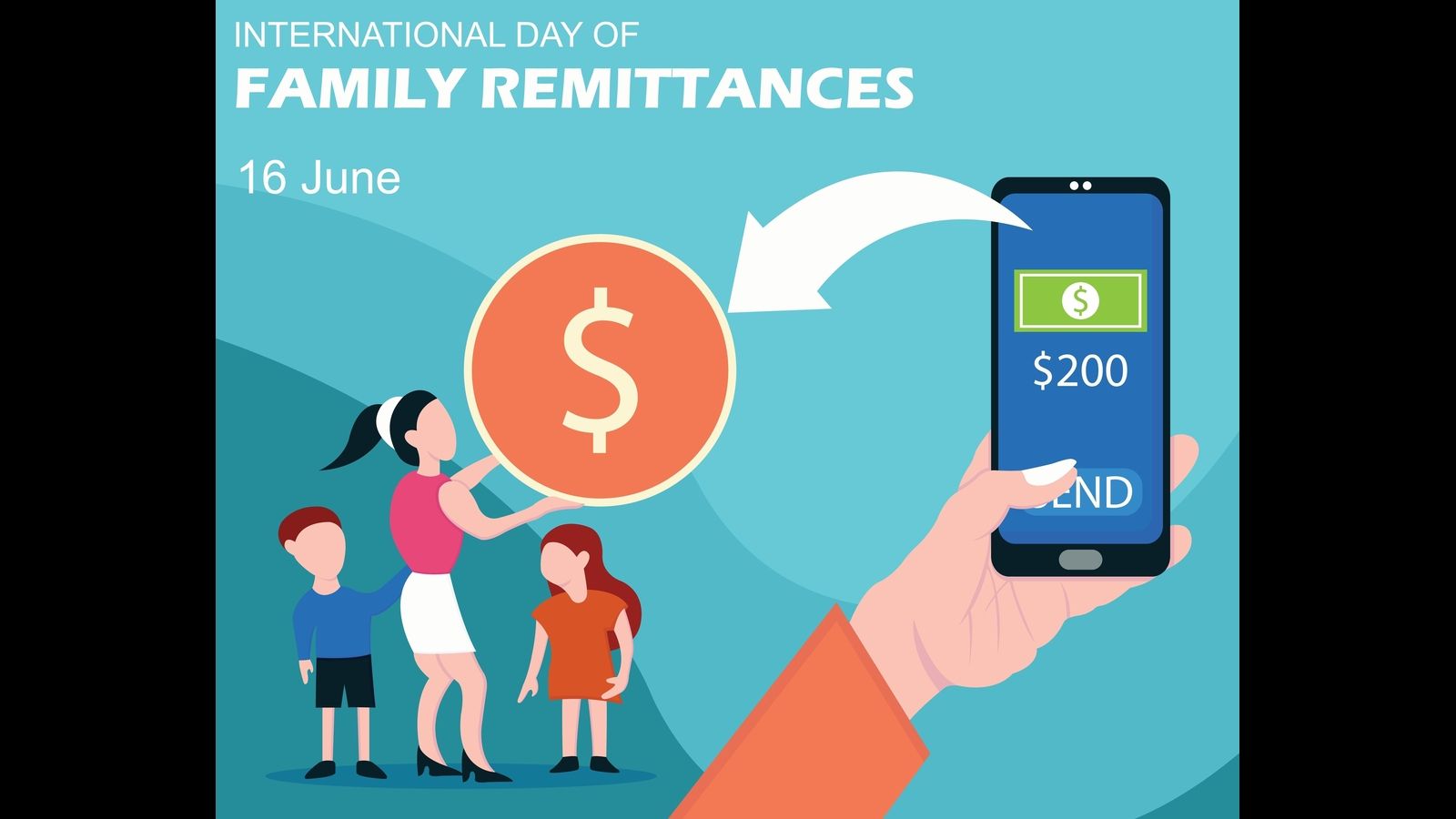
Navigating India's cross-border payment rules becomes imperative when you are paying for your child’s foreign university tuition, or buying global equities, or even booking a vacation. The Liberalised Remittance Scheme (LSR) is the primary gateway for these transfers, but regulatory guidelines demand close attention to avoid costly operational delays.
What is LRS and how does it work?
The Liberalised Remittance Scheme (LRS) is an RBI-established framework allowing resident Indians to facilitate offshore financial transactions. Under this policy, you can convert local rupees into foreign currency for various overseas services, make capital investments, or support family members living abroad.
The scheme simplifies cross-border outflows. Prior to its launch, any foreign exchange transfer required case-by-case approvals from the central bank. The system operates on a self-declaration basis. You execute transfers through an Authorised Dealer bank by submitting Form A2, detailing the purpose.
Why was the Liberalised Remittance Scheme introduced?
The RBI introduced LRS in February 2004 with a $25,000-limit to initiate capital account liberalisation, driven by rising foreign exchange reserves and the desire to integrate the domestic economy with global financial systems. As household wealth grew, the demand for foreign travel, education, and international assets surged.
According to the online database operated by the International Monetary Fund (IMF), retail cross-border flows have risen consistently. By providing a legal, structured channel for outward capital, the RBI reduced unauthorised remittance channels while maintaining oversight.
What is the LRS limit per financial year?
The LRS limit is USD 250,000 per resident individual in each financial year (April to March). This ceiling is non-cumulative; any unused portion expires on 31 March.
The limit is monitored through reporting by Authorised Dealers and RBI-authorised entities across remittance channels. Your combined outward remittances across all banks must not exceed this USD 250,000 threshold.
The following table breaks down how the limit aggregates across typical transaction categories:
| Permissible Transaction Type | Treatment Under the USD 250,000 Cap |
|---|---|
| Overseas Education (Tuition & Living Expenses) | Counts toward the annual limit |
| Medical Treatment Abroad | Counts toward the annual limit |
| Foreign Portfolio Investments (Shares, Mutual Funds) | Counts toward the annual limit |
| Gifts and Donations | Counts toward the annual limit |
| Private Travel & Tour Packages | Counts toward the annual limit |
| International Credit Card Spends | Subject to prevailing RBI and Government regulations |
If your remittance requirement exceeds the USD 2,50,000 limit, RBI approval may be required. However, remittances for purposes such as studies abroad, medical treatment, and emigration may be permitted beyond the limit subject to prescribed conditions and supporting documentation.
What are the LRS tax rules and TCS rates?
Tax Collected at Source (TCS) rules apply to remittances under the Finance Act. The statutory tax-free threshold is set at ₹10,00,000 for most remittances. TCS is an advance tax payment that you can claim as a credit or refund when filing your annual Income Tax Return (ITR).
The applicable TCS rates depend on your remittance purpose and the total amount transferred during the financial year:
| Purpose of Outward Remittance | TCS Rate (Up to ₹10 Lakh) | TCS Rate (Above ₹10 Lakh) |
|---|---|---|
| Education funded by a loan (Section 80E) | Nil | Nil |
| Education (Self-funded) & Medical Treatment | Nil | 2% of the excess amount |
| Overseas Tour Programme Packages | Nil | 20% of the excess amount |
| Other Permissible Purposes (Equities, Property, Gifts) | Nil | 20% of the excess amount |
Higher TCS rates may apply in certain cases where the PAN is inoperative due to non-linking with Aadhaar. Investors should verify the latest Income-tax provisions before initiating a remittance.
For example, remitting ₹15 lakh for overseas equities attracts zero TCS on the first ₹10 lakh. The remaining ₹5 lakh faces 20% TCS, requiring a tax deposit of ₹1,00,000.
Who is eligible to send money under LRS?
The scheme is exclusively available to resident individuals, including minors, with parents or legal guardians signing Form A2 on their behalf. Corporates, partnership firms, Hindu Undivided Families (HUFs), and trusts cannot use LRS. Instead, these entities operate under distinct corporate FEMA guidelines. Non-resident Indians (NRIs) are also ineligible, as they remit or repatriate funds under separate FEMA provisions applicable to NRO and NRE accounts.
What does LRS mean for Indian retail investors?
LRS is an asset allocation tool that lets you diversify portfolios into international equities, exchange-traded funds (ETFs), and foreign real estate, protecting purchasing power against domestic currency depreciation. This systematic international asset diversification protects wealth and helps capital seek competitive returns across global economic cycles.
What are the prohibited transactions under LRS?
The RBI prohibits certain transactions under LRS to protect foreign reserves. You cannot use the scheme for:
- Remittances for margin trading or margin calls to overseas exchanges or counterparties.
- Lottery winnings, lottery ticket purchases, and income from racing or riding activities.
- Overseas sweepstakes and banned speculative activities.
- Remittances to entities identified as posing terrorism-financing risks.
- Transactions with individuals or entities restricted under applicable RBI, FEMA, or Government of India regulations.
- Any other purpose specifically prohibited under Schedule I of the Foreign Exchange Management like purchase of lottery tickets/sweep stakes, proscribed magazines, etc.) or any item restricted under Schedule II of Foreign Exchange Management (Current Account Transactions) Rules, 2000.
Authorised Dealers may also decline transactions involving jurisdictions or entities subject to sanctions, regulatory restrictions, or enhanced due-diligence requirements.
How to remit money under LRS?
To execute an outward transfer:
- Choose an Authorised Dealer bank and complete the applicable KYC requirements.
- Submit Form A2, specifying the correct RBI purpose code.
- Provide linked PAN and Aadhaar details.
- Ensure your account is fully funded to cover the remittance, bank charges, and TCS.
What should investors watch to remain compliant?
Investors should monitor three critical trigger points.
First, track your cumulative annual transfers across all banks, as the LRS limit applies to aggregate remittances made through all Authorised Dealers during a financial year.
Secondly, align transactions with the financial year (April to March) rather than the calendar year.
Thirdly, consult a professional tax advisor to manage your upfront tax credit and annual returns.
There is no restriction on the number of remittances made during a financial year, provided the aggregate LRS limit is not breached.
Also Read: How RBI Defends Indian Rupee through Strategic Forex Intervention

Conclusion
The Liberalised Remittance Scheme remains the primary mechanism for resident Indians to access international markets, secure education, and diversify assets. Staying compliant with the USD 250,000 annual limit and applicable TCS rules ensures a seamless cross-border transfer experience and enables systematic global wealth creation without experiencing unexpected regulatory setbacks.
FAQs
What is the maximum amount I can remit under the Liberalised Remittance Scheme (LRS)?
Resident individuals can remit up to USD 250,000 per financial year under the Liberalised Remittance Scheme. The limit applies to the aggregate of all permissible remittances made during the financial year across all Authorised Dealers.
Does the USD 250,000 limit apply separately to education, travel, and investments?
No. The USD 250,000 limit is a combined annual limit covering all eligible purposes, including overseas education, medical treatment, travel, gifts, maintenance of relatives abroad, and foreign investments.
Is TCS applicable on all foreign remittances under LRS?
Not necessarily. TCS depends on the purpose of the remittance and the amount transferred during the financial year. For most LRS transactions, no TCS applies up to ₹10 lakh, while higher remittances may attract TCS at the applicable rate.
Can I invest in foreign stocks and ETFs through LRS?
Yes. Resident Indians can use LRS to invest in overseas equities, exchange-traded funds (ETFs), mutual funds, and other permitted foreign assets, subject to the applicable regulatory guidelines and annual remittance limit.
Can minors use the Liberalised Remittance Scheme?
Yes. Minors are eligible to remit funds under LRS. However, the required documentation and declarations must be completed by their parent or legal guardian.
What happens if I exceed the LRS limit?
Remittances beyond the prescribed limit may require regulatory approval, depending on the purpose of the transfer. Certain categories, such as overseas education, medical treatment, and emigration, may be permitted beyond the standard limit subject to prescribed conditions and supporting documentation.
About Author
Bidita Sen
Senior Editor
Bidita Sen has spent over a decade first understanding the complex language of finance, then translating it into something humans can actually read. After a career spent chasing market trends, she now prefers chasing ghosts. When she's not working, you’ll find her reading or re-watching the Paranormal Activity series. Because, real-life math is much scarier than a haunted house.
Read more from Bidita



















Upstox is a leading Indian financial services company that offers online trading and investment services in stocks, commodities, currencies, mutual funds, and more. Founded in 2009 and headquartered in Mumbai, Upstox is backed by prominent investors including Ratan Tata, Tiger Global, and Kalaari Capital. It operates under RKSV Securities and is registered with SEBI, NSE, BSE, and other regulatory bodies, ensuring secure and compliant trading experiences.
Related articles

Share Market
What Is a Market Correction? Meaning, Causes, and Strategy15 min read | Written by Bidita Sen

Share Market
Cyclical vs Defensive Stocks: Differences, Examples and Strategy15 min read | Written by Bidita Sen

Share Market
What is Efficiency Ratio: Meaning, Types, Formula and More12 min read | Written by Sachin Gupta

Share Market
What is a Solvency Ratio: Meaning, Types, Benefits, Limitations and More12 min read | Written by Sachin Gupta
Share Market
Profitability Ratios: Meaning, Formula, Benefits, Limitations and More11 min read | Written by Sachin Gupta

Share Market
A Guide to American Depository Receipts (ADR) for Indian Investors13 min read | Written by Subhasish Mandal