What is Intraday Trading? Complete Guide For Traders

Written by Subhasish Mandal
Published on July 27, 2026 | 14 min read

Key Takeaways:
-
Intraday trading involves buying and selling stocks or other securities on the same day to benefit from short-term price fluctuations.
-
In intraday trading, ownership of the stock is not transferred because positions are squared off before the market closes.
-
The primary difference between intraday trading and regular delivery trading is the holding period.
-
Brokers often provide margin on selected highly liquid stocks for intraday trading, subject to brokers' policies and applicable regulatory requirements.
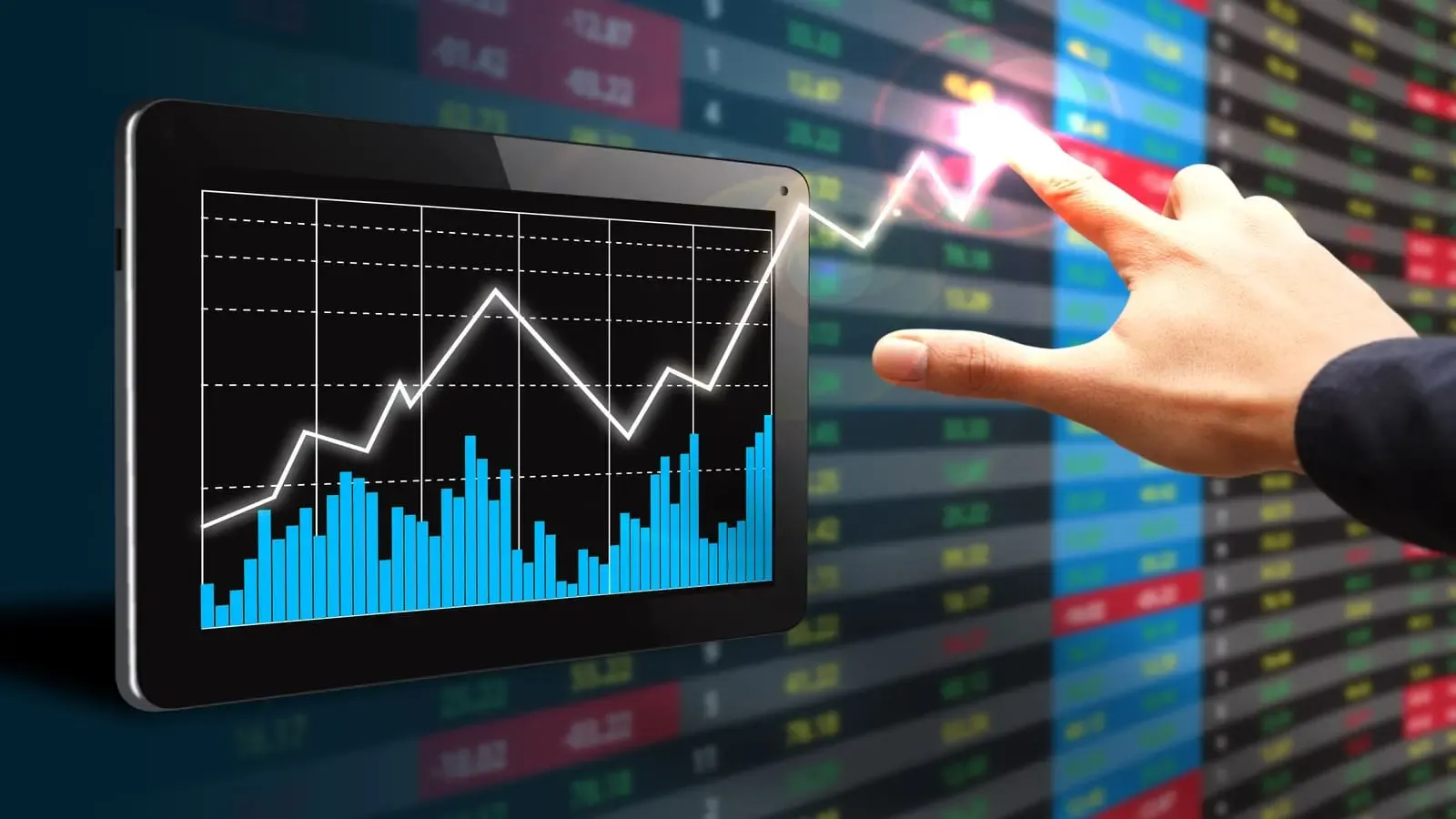
Intraday trading, or day trading, is a type of trading in which securities are bought and sold on the same day. Historically, this domain has been dominated by professional traders and financial firms, but with the rise of digital platforms, it has become more accessible to retail investors.
In India, the Securities and Exchange Board of India (SEBI) and stock exchanges like the National Stock Exchange (NSE) and BSE regulate intraday trading activities to manage market risk and maintain orderly markets. Together, they enforce strict margin requirements, position limits where applicable, and other risk management measures.
Understanding intraday trading terms and concepts is important before participating in such trading. This comprehensive guide explains what intraday trading is, its features, strategies, indicators, benefits, risks and more.
What is Intraday Trading?
Intraday trading is the process of buying and selling securities within the same trading session. In this type of trading, traders open and close positions before the market closes, ensuring that no position is carried overnight.
The primary objective is to profit from short-term price fluctuations in the share market rather than holding securities for weeks, months or years.
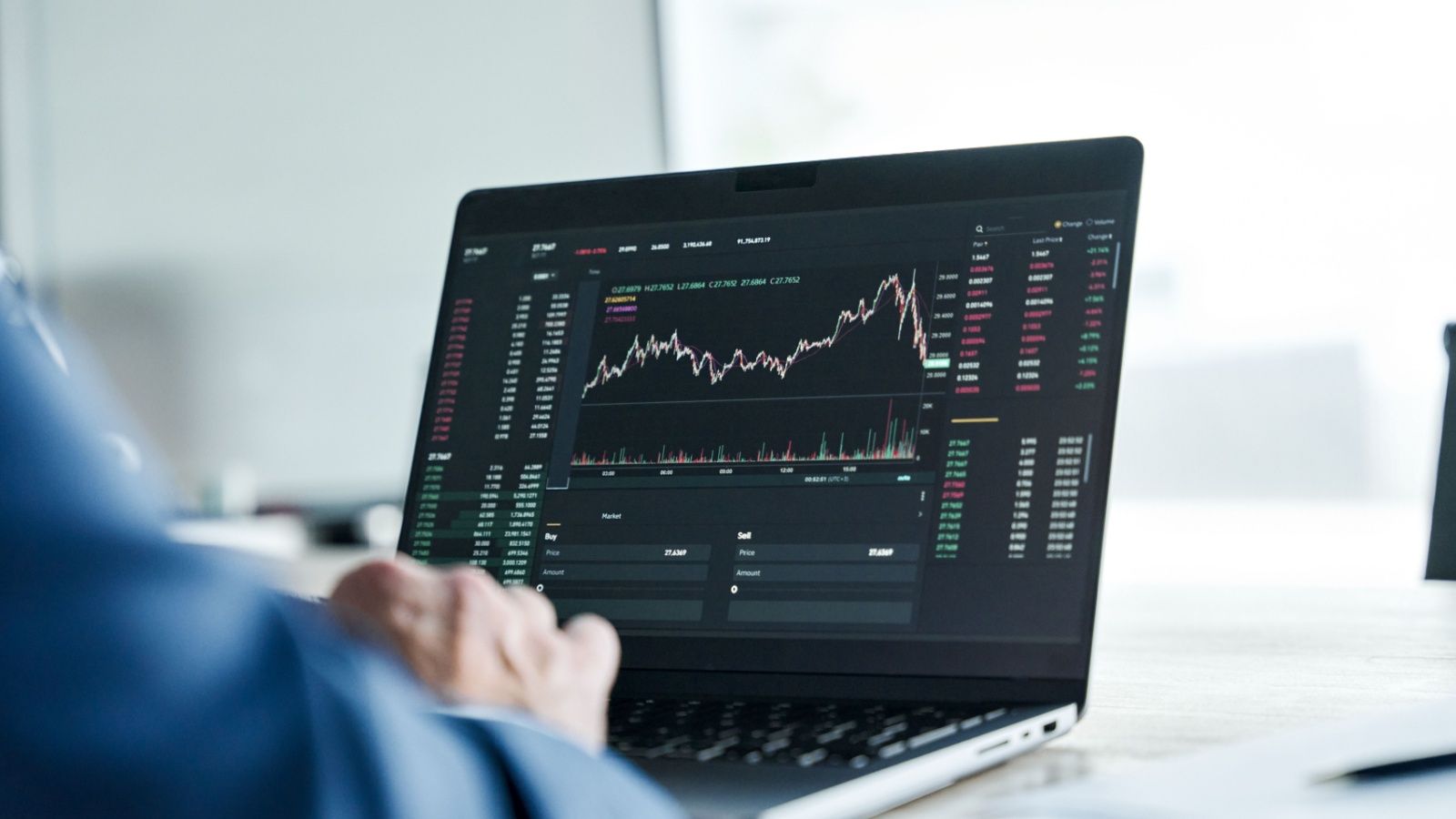
Unlike long-term investing, intraday traders focus on technical analysis, market trends, price action, trading volume and volatility. They monitor stock price movements throughout the day and execute multiple trades based on predefined intraday trading strategies.
Since positions are squared off before the market closes, traders avoid overnight market risk caused by global events or unexpected news.
Note: If a trader does not square off an intraday trade before the market closes, brokers may auto-square off the position, depending on their policies, and applicable charges may apply. The square-off time depends on the broker's policies.
Also Read: What is Scalp Trading?
How Does Intraday Trading Work?
Intraday trading begins with selecting stocks that have sufficient liquidity, trading volume and volatility. Traders analyse charts, technical indicators and market sentiment before placing buy or sell orders.
If a trader purchases a stock, expecting the price to rise, they sell it later during the same trading session. They usually exit the trade based on predefined target or stop-loss levels.
Similarly, short sellers can sell the stock first and buy it later in the same trading session to benefit from falling prices. Since all intraday trades are completed before the market closes, there is no overnight trading.
Many brokers provide margin facilities for intraday trading, allowing traders to control larger positions with comparatively lower capital. However, while leverage can increase profit potential, it can also magnify losses.
Features of Intraday Trading
Here are some important features of intraday trading, which every trader should know:
- Same-Day Settlement:
Every trade is opened and closed within one trading session, eliminating overnight holding risk and focusing on short-term price fluctuations.
- Higher Liquidity:
Active stocks with high trading volume generally provide better execution, tighter spreads, and easier entry or exit throughout the day.
- Margin Facility:
Brokers often provide leverage on selected stocks, allowing traders to control larger positions using smaller capital, subject to the broker's policies and applicable regulatory requirements. Leverage increases both profit potential and risk.
- Technical Analysis Driven:
Trading decisions rely on chart patterns, price action, support and resistance, technical indicators, and overall market trend.
- Risk Management:
Traders use stop-loss orders, position sizing, disciplined execution and predefined exit strategies to manage risk.
How to Do Intraday Trading?
To begin intraday trading, you need to open a trading and a Demat account with a SEBI-registered broker and follow the steps below:
-
After your Demat account is activated, add funds to your trading account.
-
Choose highly liquid stocks with consistent trading volumes and adequate volatility.
-
Analyse charts of a few selected stocks using moving averages, price action, pivot points and other indicators.
-
Identify the stock trend and overall market trend.
-
Create a proper trading plan with a defined entry price, target price, stop-loss levels and position size.
-
Place a trade when the predefined setup appears on the chart. Set a stop-loss and target.
-
Follow your trading plan without reacting to frequent price fluctuations.
-
Monitor your open positions and exit trades according to your strategy.
-
Ensure every intraday position is closed before the market session ends to avoid broker-initiated auto-square-off, where applicable, and any associated charges.
How Is Intraday Trading Different from Regular Trading?
The primary difference between intraday trading and regular trading lies in the holding period. In intraday trading, all positions are squared off before the market closes, while regular trading or delivery trading allows investors to hold shares for days, months or years.
Intraday trading does not involve overnight ownership because positions are closed before the market closes. Delivery trading results in ownership being transferred to the buyer, and the shares are credited to the investor's Demat account after settlement, subject to the applicable settlement cycle.
Intraday trading focuses on capturing short-term price movements using technical analysis and market momentum. Delivery trading primarily depends on company fundamentals, business growth, earnings potential, and long-term wealth creation.
Risk profiles also differ significantly. Intraday trading carries higher short-term risk due to leverage and market volatility. Whereas delivery trading generally provides a longer investment horizon and is not exposed to intraday position-closing requirements.
Intraday Trading vs Delivery Trading: Key Differences
Here are the key differences between intraday trading and delivery trading:
| Parameter | Intraday Trading | Delivery Trading |
|---|---|---|
| Holding Period | Same trading day | Multiple days, months, or years |
| Ownership | No overnight ownership | Shares remain in the Demat account |
| Objective | Profit from short-term price movements | Long-term wealth creation |
| Analysis Method | Technical analysis | Fundamental and technical analysis |
| Risk Level | Higher due to volatility | Comparatively lower over long periods |
| Capital Requirement | Lower with margin availability | Full investment amount generally required |
| Market Monitoring | Continuous monitoring required | Periodic monitoring may be sufficient |
| Leverage | Frequently available | Usually limited |
| Suitable For | Active traders | Long-term investors |
| Trading Frequency | Multiple trades daily | Lower trading frequency |
How to Search Stocks for Intraday Trading?
Here are a few things to consider when searching for stocks for intraday trading:
- High Liquidity:
Select stocks with consistently high trading volumes because better liquidity generally enables faster execution and may minimise slippage during active market conditions.
- Strong Volatility:
Choose stocks showing meaningful price movements because volatility may create opportunities for short-term profit generation.
- Positive Momentum:
Focus on stocks demonstrating bullish or bearish momentum supported by increasing volume and sustained directional price movement throughout trading hours.
- News-Based Stocks:
Monitor companies announcing earnings, corporate actions, government policies, or significant developments because such events may increase price volatility and trading activity.
- Technical Breakouts:
Search for stocks breaking important resistance or support levels with higher volumes because breakouts initiate strong price movements quickly.
- Sector Strength:
Identify sectors outperforming the broader market because leading sectors may present multiple intraday trading opportunities during active sessions.
Intraday Trading Indicators
Here are five common intraday trading indicators used by traders to identify potential trading opportunities:
Moving Average
A moving average is a line calculated using historical price data over a specified period. It helps identify the market direction for trade confirmation. Intraday traders commonly use a 20-period or 50-period moving average on intraday charts, depending on their trading strategy.
When the price is above the chosen moving average, the trend is generally considered upward. Similarly, when the price is below the chosen moving average, the trend is considered downward.
Bollinger Bands
Bollinger Bands measure market volatility using upper and lower bands around a moving average. When the bands are narrow, the breakout possibility may increase. However, when the bands are wider, prices may continue to fluctuate within the band range before a breakout or reversal occurs.
Super Trend
The Super Trend indicator helps identify market direction using price volatility and the Average True Range (ATR). It provides potential buy and sell signals during trending market conditions.
Pivot Points
Pivot points determine important support and resistance levels based on the previous trading session. They consist of one central pivot line, three resistance levels above the pivot line, and three support lines below the pivot line.
When the price is above the pivot, it is generally considered bullish, and prices may find support near the pivot level and other support levels.
When the price is below the pivot, it is considered bearish, and prices may encounter resistance near the pivot level and other resistance levels.
Momentum Oscillators
Momentum oscillators such as RSI, MACD, and the Stochastic Measure price strength and momentum. They help identify overbought, oversold and trend continuation conditions.
Intraday Trading Strategies
Here are a few of the most common intraday trading strategies used by intraday traders:
- Initial Balance Breakout
This strategy observes the high and low formed during the first 15-, 30- or 60-minute trading period. Breakouts above or below this range may present trading opportunities when supported by volume confirmation.
- Gap Up and Gap Down Trading Strategy
Stocks opening significantly above or below the previous closing price experience continuation or reversal patterns. Traders analyse volume, trend, and support and resistance before entering.
- Previous Day High or Low Breakout
When prices cross the previous day’s high or low with strong volume, traders may interpret this as a potential breakout indicating increased buying or selling momentum.
- Trend Reversal Strategy
This approach identifies potentially exhausted trends using candlestick patterns, momentum indicators, and support and resistance zones before entering trades that anticipate a directional reversal.
- Consolidation Box Breakout
Stocks trading within narrow price ranges may eventually break out. Traders wait patiently for a confirmed breakout accompanied by increased trading volume before entering positions.
- Trap Trading Strategy
Trap trading identifies false breakouts where prices briefly cross important levels before reversing sharply. Recognising these traps may help traders avoid losses and exploit reversals.
Benefits of Intraday Trading
Here are several potential benefits of Intraday trading:
- No Overnight Risk:
Positions remain open only during market hours, protecting traders from overnight exposure to unexpected news, global events and market gaps.
- Quick Profit Opportunities:
Short-term price fluctuations may provide multiple opportunities to participate in the market without waiting for a long investment period.
- Margin Facility:
Eligible broker leverage enables traders to build larger positions using limited capital. It increases both profit potential and risk.
- Regular Learning:
Daily screen monitoring and participation in live markets may help improve technical analysis skills, market understanding and decision-making.
- Capital Rotation:
Traders can deploy available funds across multiple opportunities within the same trading session, which may improve overall capital utilisation and market participation.
Disadvantages of Intraday Trading
Here are the disadvantages of intraday trading:
- High Market Risk:
Rapid price fluctuations can result in significant losses within minutes if trades move against expectations or risk management is inadequate.
- Emotional Pressure:
Constant monitoring and quick decisions can create psychological stress, leading to impulsive trading mistakes and inconsistent performance.
- Time Intensive:
Successful intraday trading requires continuous market observation, technical analysis, trade management, and disciplined execution throughout the trading session.
- Transaction Costs:
Frequent buying and selling increase brokerage charges, taxes, and other trading expenses that may reduce overall profitability over time.
- Requires Experience:
Beginners without sufficient knowledge of technical analysis, market behaviour, and risk management often struggle to achieve consistent trading results.
Alternative Trading Methods
The alternative trading methods are as follows:
Scalping Trading
Scalping trading focuses on capturing small price movements with large quantity orders executed within minutes. The holding period in scalping is usually a few minutes, and trades are closed during the same session.
Swing Trading
Swing trading involves holding positions for several days or weeks to benefit from medium-term price movements. Swing traders usually do not receive the same intraday margin benefits and are required to pay the full amount to carry positions overnight, subject to the broker's margin policy.
In this type of trading, ownership of stocks is transferred to the buyers, and the shares are credited to the investor's Demat account after settlement, subject to the applicable settlement cycle.
Momentum Trading
Momentum trading focuses on stocks displaying strong directional movement with increasing volume. Traders attempt to ride existing trends until the momentum weakens.
Positional Trading
Positional trading involves holding stocks for several weeks or months based on broader market trends, technical setups and long-term investment objectives. In this type of trading, screen monitoring time is generally less than that required for scalping, intraday, swing or momentum trading.
Risks Associated with Intraday Trading
Here are certain risks associated with intraday trading that every trader should know:
- Market Volatility:
Sudden price fluctuations may trigger unexpected losses despite accurate analysis because financial markets constantly react to changing information.
- Leverage Risk:
Margin trading magnifies both profits and losses, making disciplined position sizing important for risk management.
- Liquidity Risk:
Low trading volume may create execution delays, wider bid-ask spreads, and increased slippage, affecting overall trade profitability.
- Psychological Risk:
Fear, greed, overconfidence, and impatience frequently influence trading decisions, causing deviations from well-planned trading strategies.
- Operational Risk:
Internet disruptions, software issues, or platform outages may delay order execution and negatively impact open trading positions.

Intraday trading offers opportunities for market participants seeking to benefit from short-term price movements in the share market. However, outcomes depend on market conditions, trading discipline, and effective risk management.
Before starting to trade intraday, it is important to understand market behaviour, technical indicators and risk management principles. While delivery trading may remain more suitable for long-term wealth creation, intraday trading is touted to be better suited for individuals who can dedicate time, manage risk and make informed decisions in changing market conditions.
FAQs
What is intraday trading?
Intraday trading involves buying and selling the same stock within a single trading day to attempt to profit from short-term price movements. For example, if you buy shares in the morning and sell them before the market closes on the same day, it is considered intraday trading.
Is intraday trading good for beginners?
Intraday trading can be suitable for beginners only after they understand technical analysis, risk management, and trading psychology. New traders should consider starting with small capital, use stop-loss orders, and avoid excessive leverage while gaining experience.
How much money is required to start intraday trading?
There is no fixed minimum amount required to start intraday trading. The amount of capital required depends on the stock price, broker margin policies, and your risk management strategy.
Which indicators are best for intraday trading?
Popular indicators for intraday trading include Moving Average, Bollinger Bands, the Super Trend indicator, Pivot Points, RSI, and MACD. These indicators help traders identify trends, momentum, support, resistance, and potential entry or exit opportunities.
What is the best time for intraday trading?
The first one to two hours after the market opens generally provide higher liquidity and volatility, which may create more trading opportunities. The last hour of the trading session may also offer opportunities due to increased market activity.
Can I convert an intraday trade into delivery trading?
Yes. Most stockbrokers allow traders to convert eligible intraday positions into delivery trading, provided sufficient funds are available in the trading account and the broker supports position conversion.
About Author
Subhasish Mandal
Sub-Editor


A finance professional with strong expertise in stock market and personal finance writing, he excels at breaking down complex financial concepts into simple, actionable insights. Holding a Master’s degree in Commerce, he combines academic depth with practical knowledge of technical analysis and derivatives.
Read more from Subhasish









Upstox is a leading Indian financial services company that offers online trading and investment services in stocks, commodities, currencies, mutual funds, and more. Founded in 2009 and headquartered in Mumbai, Upstox is backed by prominent investors including Ratan Tata, Tiger Global, and Kalaari Capital. It operates under RKSV Securities and is registered with SEBI, NSE, BSE, and other regulatory bodies, ensuring secure and compliant trading experiences.
Related articles

Share Market
What is Positional Trading? Meaning, Types, Strategies14 min read | Written by Subhasish Mandal
Trading Account
What is Swing Trading for Beginners - Strategies, Meaning, Indicators, & How to Do5 min read | Written by Dev Sethia

Intraday Trading
Scalp Trading, How Does Scalping trading Work?6 min read | Written by Subhasish Mandal

Share Market
7 Proven Intraday Trading Strategies for Beginners4 min read | Written by Pradnya Surana

Share Market
What is Trade-to-Trade (T2T) Stock Segment? All You Need to Know12 min read | Written by Subhasish Mandal