What Is Direct Benefit Transfer (DBT) And How Does It Work?

Written by Bidita Sen
Published on June 22, 2026 | 9 min read

Key Takeaways
- Direct Benefit Transfer (DBT) is a Government of India initiative aimed at directly transferring subsidies and welfare benefits into verified, Aadhaar-linked bank accounts of eligible recipients.
- The platform is used by multiple ministries and departments and covers schemes like LPG subsidies, pensions, and scholarships.
- The system leverages the JAM Trinity and Aadhaar Payment Bridge to minimise leakages.
- Benefits cover diverse cash, in-kind, and grassroots implementer payment schemes across India.
As India is making big strides to digitise its economy at a rapid pace, it is no surprise that the government would modernise its initiatives as much as possible. Billions in government welfare are reaching citizens without a single rupee getting lost. Here you get to see the power of India’s Direct Benefit Transfer (DBT) mechanism, which replaced paper-heavy pipelines with transparent and direct digital transactions.
Understanding Direct Benefit Transfer (DBT)
Direct Benefit Transfer (DBT) was introduced by the central government on January 1, 2013, as a mechanism to improve welfare delivery. Earlier government subsidies were channelled through a complex maze of administrative intermediaries.
The porous process was prone to leaks, delays, and often intercepted by unauthorised commissions. As a result, the intended benefits did not always reach the right recipients in full or on time. The core objective is to streamline the transfer of government-provided subsidies, pensions, wages, and stipends directly into verified beneficiary accounts. By eliminating physical touchpoints, DBT redesigned the existing procedures to foster transparency.
Today, the system has evolved enough to become the backbone of India’s digital public infrastructure. Total direct benefit transfers in ( FY2025-26) were reported at ₹ 7,51,902 crore. During the period, 801 crore transfers were processed across 323 schemes implemented by 56 ministries (https://dbtbharat.gov.in/).
The initiative acts as a catalyst for socio-economic equity, empowering the underprivileged to gain direct control over their financial assistance without hurdles. This policy framework represents a strategic move from physical allocation to targeted digital distribution, building trust between the state and its citizens.
How Direct Benefit Transfer Works
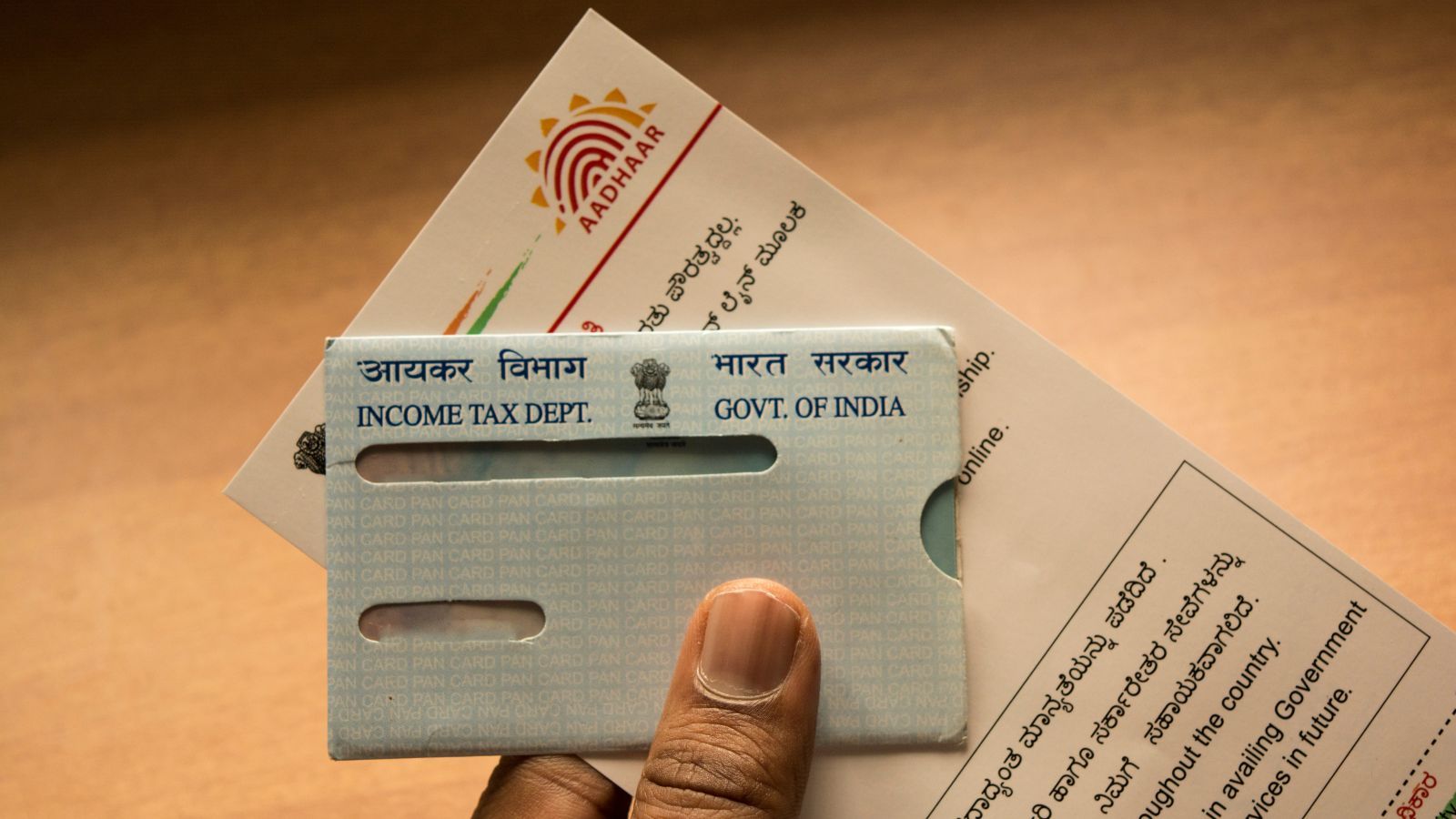
Direct Benefit Transfer relies on a robust technological ecosystem founded on the Jan Dhan-Aadhaar-Mobile (JAM) Trinity. India’s overall digital payments transformation is built on this architecture comprising three key pillars — Pradhan Mantri Jan-Dhan Yojana (Jan Dhan), Aadhaar, and mobile connectivity, collectively known as the JAM Trinity.
Together, these three together have strengthened the financial ecosystem by plugging leakages, raising trust in formal banking, and preparing citizens to engage with digital services. Jan Dhan Accounts: Provide the unbanked with zero-balance savings bank accounts. Aadhaar: Offers a unique biometric identifier to verify identities, eliminating ghost beneficiaries and duplicate accounts. Mobile: Acts as a direct communication channel for sending instant transaction SMS alerts and balance updates.
The key steps are as follows:
First, identification of beneficiaries: The most critical step is to determine genuine beneficiaries and ensure that the funds reach the right person without leakage or duplication. It is the responsibility of the implementing government department or agency (Central or State) to identify beneficiaries. A bank’s role is generally to verify account or Aadhaar linkage.
Second is the transfer of funds: Once the beneficiary is identified, the government credits the eligible amount directly to the beneficiary's bank account electronically.
Third comes notification and acknowledgment: After a transfer is made, the beneficiary receives a notification via SMS or email confirming that the payment has been transferred. They can check their bank accounts to verify the credited funds.
Fourth is tracking: Both the government and the recipient can track the flow of funds through the Public Financial Management System (PFMS). It is a digital platform that helps the government process DBT payments, track fund transfers, and monitor the flow of public money across various schemes. Lastly, bank integration: Banks are responsible for the seamless transfer of funds into the beneficiaries’ accounts.
After the implementing department verifies beneficiary eligibility, PFMS facilitates the payment process and triggers fund disbursement. Many DBT payments are routed through the Aadhaar Payment Bridge (APB), managed by the National Payments Corporation of India (NPCI), using the beneficiary's unique Aadhaar number as their financial address.
The funds are credited electronically to the beneficiary’s bank account via the bank’s Core Banking Solution (CBS), completely bypassing intermediaries. The transaction is processed rapidly through India’s strong digital payments infrastructure.
Types of Schemes Covered Under DBT
The DBT framework classifies welfare transfers into three broad operational categories to cater to diverse socioeconomic needs:
Cash Transfers: Funds are deposited directly into savings accounts. Key examples include LPG subsidies (Pratyaksh Hanstantrit Labh), MGNREGS wages, PM-KISAN farmer support (₹6,000 annually) and government scholarship programmes. Pension schemes like National Social Assistance Programme (NSAP) use DBT to transfer funds directly to pensioners’ bank accounts.
In-Kind Transfers: The government provides goods directly to citizens at subsidised rates. Beneficiaries receive goods or services at subsidised rates. While the distribution is physical, the supporting financial processes are managed digitally. The backend financial settlement with shops or suppliers is executed digitally through the DBT network. Examples include Public Distribution System (PDS) food grains, school books, and uniforms. The fertiliser subsidy programme also uses DBT technology to streamline subsidy administration and reduce leakages.
Other Transfers: These include direct payouts and incentives distributed to grassroots facilitators, including ASHA workers, community mobilisers, and volunteers, who support policy implementation on the ground.
Benefits of Direct Benefit Transfer
Implementing Direct Benefit Transfer has structurally reformed India’s socio-economic landscape, offering several key advantages:
Eradication of Corruption: Direct electronic transfers between treasury and citizens bypass middlemen, eliminating leakages and unauthorised commissions.
Rapid Disbursement: Electronic clearing processes replace slow, manual distribution systems, ensuring that subsidies, emergency relief, and benefits reach eligible recipients electronically and with fewer delays. Biometric De-duplication: Aadhaar-based authentication helps identify duplicate or ineligible beneficiaries.
Leakages Plugged: Earlier, leakages through intermediaries plagued the entire process. As a result, a significant portion of subsidies didn’t reach the target recipients in time. DBT helped reduce leakages and improve the targeting of welfare benefits.
Deepened Financial Inclusion: The mandate to receive digital transfers encourages unbanked populations to open savings accounts, boosting overall financial literacy.
Citizen Autonomy: Direct cash deposits give beneficiaries the freedom to allocate funds according to their immediate household needs.
Direct Benefit Transfer Challenges
Scaling DBT across a geographically vast and diverse nation presents distinct logistical challenges:
Digital Banking Illiteracy: Many rural beneficiaries struggle to navigate complex mobile banking apps, interpret automated transaction notifications, or operate physical ATMs safely.
Connectivity Hurdles: Inadequate telecom infrastructure and frequent power outages in remote villages often disrupt the real-time biometric authentication required for transaction approval.
Last-Mile Access: Despite high bank account penetration, physical access to rural branches, cash-out points, and active business correspondents remains highly limited.
Seeding Discrepancies: A significant portion of DBT relies on Aadhaar for identity verification and linking to bank accounts. Name mismatches or mapping issues between Aadhaar databases and bank accounts can trigger unexpected transaction failures, delaying these crucial welfare payments.
Technical Glitches: Occasional software glitches and issues with online banking infrastructure, connectivity can delay the timely and accurate processing of payments.
What Is Direct Benefit Transfer Credit
When you check your bank account statement or passbook and notice a transaction labeled as ‘Direct Benefit Transfer credit’ or ‘DBT Credit’, it indicates that you have received an incoming financial transfer directly from a government welfare scheme. For instance, if you are registered for the LPG cooking gas subsidy, the PM-KISAN scheme, or a state-sponsored student scholarship, the funds are released by the respective ministry, validated via the PFMS database, and credited directly to your bank account.
DBT represents a government subsidy, wage, pension, scholarship, or other welfare benefit credited directly to your bank account.
The narration on your statement may include the scheme’s name or an identifier like “ACH DBT” or “APB Credit”. This credit entry confirms that the benefit has been credited directly to your account.

Conclusion
India’s Direct Benefit Transfer system has evolved as a global benchmark for digital governance and large-scale welfare reform. The government has successfully integrated the JAM Trinity with payment gateways, minimising leakages. The government endeavour has enhanced fiscal discipline, and digitised financial access for hundreds of millions of historically excluded citizens.
Its long-term sustainability, however, depends on effective policy measures to resolve last-mile connectivity barriers, address Aadhaar-related discrepancies, and build grassroots financial literacy. DBT has emerged as a powerful tool for social empowerment, cementing trust between citizens and the state. As the system continues to upgrade, it will undoubtedly remain a cornerstone of India's developmental journey.
FAQs
Is Aadhaar mandatory for receiving Direct Benefit Transfer (DBT) benefits?
Aadhaar is required for many DBT-enabled schemes because it helps verify beneficiary identities and prevents duplication. However, the exact eligibility and documentation requirements may vary depending on the scheme and the government department administering it.
How can I check whether a DBT payment has been credited to my account?
You can check your bank account statement, passbook, net banking portal, or mobile banking app for entries such as "DBT Credit", "APB Credit", or scheme-specific transaction descriptions. Beneficiaries may also receive SMS alerts when funds are credited.
What should I do if my DBT payment has not been received?
If you have not received a DBT payment, verify that your bank account details and Aadhaar information are correctly linked with the scheme. You can also contact the concerned scheme authority, bank branch, or local welfare office to investigate the delay.
Can I receive DBT benefits without a bank account?
No. Since DBT transfers benefits directly to beneficiaries, having an active bank account is generally necessary. Government initiatives such as Pradhan Mantri Jan Dhan Yojana have helped expand access to banking services for eligible citizens.
Which government schemes are covered under Direct Benefit Transfer?
DBT is used across multiple central and state government schemes, including LPG subsidy programmes, PM-KISAN, MGNREGS wage payments, scholarships, pensions, and various social welfare initiatives.
What is the difference between a DBT credit and a regular bank credit?
A DBT credit is a government benefit, subsidy, pension, wage, or scholarship transferred directly to a beneficiary's bank account under a welfare scheme. A regular bank credit, on the other hand, may originate from salaries, business transactions, fund transfers, or other non-government sources.
About Author
Bidita Sen
Senior Editor
Bidita Sen has spent over a decade first understanding the complex language of finance, then translating it into something humans can actually read. After a career spent chasing market trends, she now prefers chasing ghosts. When she's not working, you’ll find her reading or re-watching the Paranormal Activity series. Because, real-life math is much scarier than a haunted house.
Read more from Bidita











Upstox is a leading Indian financial services company that offers online trading and investment services in stocks, commodities, currencies, mutual funds, and more. Founded in 2009 and headquartered in Mumbai, Upstox is backed by prominent investors including Ratan Tata, Tiger Global, and Kalaari Capital. It operates under RKSV Securities and is registered with SEBI, NSE, BSE, and other regulatory bodies, ensuring secure and compliant trading experiences.
Related articles
Personal Finance
Investing in Debt Instruments: Meaning, Types, Benefits, Risks and More13 min read | Written by Sachin Gupta


Personal Finance
Time Value of Money: Meaning, Formula, How to Calculate It?10 min read | Written by Subhasish Mandal
Personal Finance
What is Public Provident Fund: Meaning, Benefits, Risks, Investment Process and More12 min read | Written by Sachin Gupta

Personal Finance
Complete Guide to Debt Investments in India: Types, Benefits, Risks, and More13 min read | Written by Sachin Gupta
Personal Finance
What is E-Insurance Account and How to Open it?12 min read | Written by Subhasish Mandal
Personal Finance
Post Office Time Deposit: A Complete Guide to Interest Rates, Eligibility & Benefits13 min read | Written by Sachin Gupta

Personal Finance
Bond Yields Explained: Understanding Coupon Rate, Current Yield, and YTM11 min read | Written by Sachin Gupta