Credit Score vs CIBIL Score: Key Differences

Written by Subhasish Mandal
Published on June 23, 2026 | 6 min read
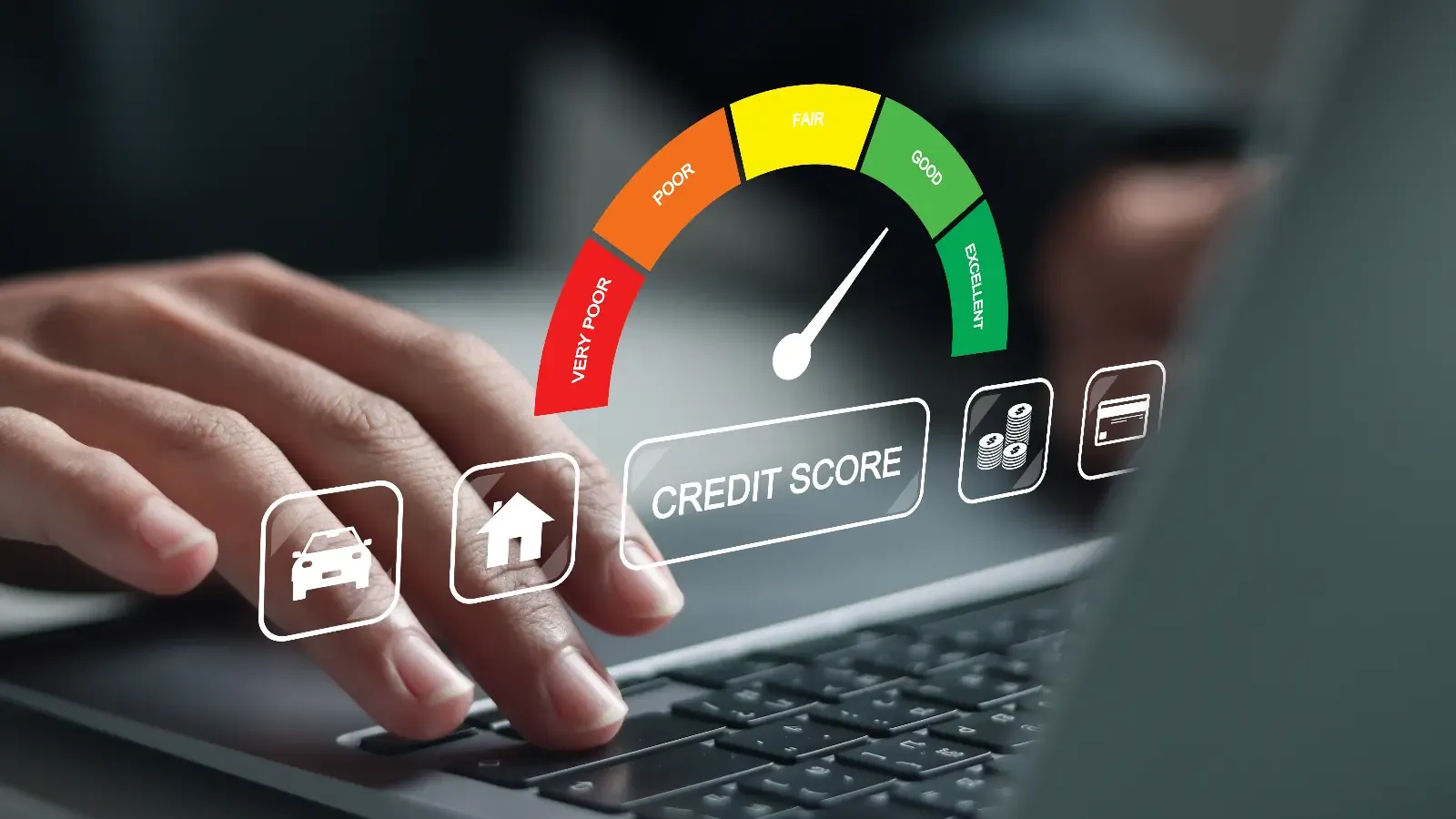

Key Takeaways:
-
A credit score and CIBIL score are both three-digit numbers that typically range from 300 to 900.
-
Credit scores are issued by the four major credit bureaus in India: TransUnion CIBIL, Experian, Equifax and CRIF High Mark.
-
A CIBIL score is a credit score specifically issued by TransUnion CIBIL.
-
The primary difference between a credit score and a CIBIL score lies in the issuing agency and lender preferences.
-
All CIBIL scores are credit scores, but not all credit scores are CIBIL scores.
A good credit score plays an important role in your financial life. Whether you are applying for a loan, a credit card, or other credit facilities, lenders use this score to understand your creditworthiness. However, many people use the term credit score and CIBIL score interchangeably, which often leads to confusion.
Understanding the difference between a credit score and a CIBIL score can help you to make informed financial decisions. It also improves your chances of getting approved for loans and credit cards.
This article discusses the difference between a credit score and a CIBIL score, the factors that affect them, and how to build and maintain a healthy score.
What is a Credit Score?
A credit score is a three-digit numerical value that represents an individual’s creditworthiness. It is calculated based on a person’s credit history, repayment behaviour, outstanding debt and overall credit usage.
Credit scores are issued by four major credit bureaus in India: TransUnion CIBIL, Experian, Equifax, and CRIF High Mark.
The credit bureaus analyse information from your credit report and assign a score ranging from 300 to 900. A higher score indicates responsible credit behaviour and increases your chances of obtaining loans and credit cards at favourable terms.
Also Read: How Credit Score Affects Loan Approval?
What is a CIBIL Score?
A CIBIL score is a specific type of Credit score issued by the Indian credit bureau known as TransUnion CIBIL.
Like other credit scores, the CIBIL score ranges from 300 to 900 and is calculated using the information available in your credit report. Financial institutions across India widely use the CIBIL score when evaluating loan and credit card applications.
Generally, a CIBIL score above 750 is considered good and can improve your chances of faster loan approvals and more favourable interest rates.
Features of the CIBIL Score
Here are important features of the CIBIL score:
- Widely Accepted:
CIBIL is accepted by most banks and NBFCs during credit evaluation.
- Based on Credit Report:
It is generated using borrowing and repayment records.
- Updated Regularly:
It changes according to your credit behaviour and lender reporting.
- Supports Loan Approval:
It helps lenders assess repayment capability and credit risk.
Is Credit Score and CIBIL Score the Same?
A credit score and a CIBIL score are closely related, but they are not the same. A credit score is a generic term used for the numerical score generated by any credit bureau based on your credit history.
A CIBIL score is a specific credit score issued by TransUnion CIBIL. In India, multiple credit bureaus such as CIBIL, Experian, Equifax, and CRIF High Mark, also provide Credit scores. Therefore, every CIBIL score is a credit score, but not every credit score is a CIBIL score.
Also Read: How to check CIBIL score for free?
Credit Score vs CIBIL Score: Key Differences
Here is the key difference between a credit score and a CIBIL score.
| Basis | Credit Score | CIBIL Score |
|---|---|---|
| Definition | Generic score representing creditworthiness | Credit score issued by TransUnion CIBIL |
| Provider | Generated by various credit bureaus | Generated only by TransUnion CIBIL |
| Purpose | Evaluates borrowing behaviour | Evaluates borrowing behaviour through CIBIL data |
| Scope | Includes scores from all bureaus | Specific to the CIBIL bureau |
| Usage | Used by lenders for credit assessment | Widely used by Indian banks and NBFCs |
| Data Source | Based on information in the credit report | Based on the CIBIL credit report |
| Recognition | Varies by bureau and lender | Most recognised credit score in India |
Factors Affecting Both Credit Score and CIBIL Score
Here are several factors that influence both your credit score and your CIBIL score.
- Payment History:
Consistent repayment of EMIs and credit card bills improves overall creditworthiness and score performance.
- Credit Utilisation Ratio:
High utilisation of available credit limits may indicate financial dependency and reduce scores considerably.
- Length of Credit History:
Longer credit history provides more data for assessment and positively impacts score calculations.
- Credit Mix:
Balanced usage of secured and unsecured loans reflects effective credit management and responsible borrowing behaviour.
- Outstanding Debt:
Excessive unpaid debt can increase the perception of financial risk and negatively affect your credit score.
- More Enquiries:
Frequent credit applications create multiple lender enquiries, which may temporarily reduce your credit score.
- Errors in Credit Report:
Incorrect information in a credit report can adversely affect scores and should be corrected immediately.
Also Read: How is a credit score calculated?
How to build a credit and CIBIL score?
Building a strong credit score and CIBIL score requires disciplined financial behaviour and responsible credit management. Here is how you can build and maintain a good credit score.
- Pay Bills On Time:
Timely repayment of loan EMIs and credit card dues builds trust and demonstrates strong repayment discipline.
- Maintain Low Credit Utilisation:
Use less than 30% of your available credit limit to demonstrate responsible borrowing habits.
- Avoid Multiple Applications:
Frequent applications for loans and credit cards may indicate financial stress and negatively affect your credit score.
- Keep Old Accounts Active:
Older credit accounts increase credit history length and contribute positively toward score calculations over time.
- Maintain Credit Mix:
A balanced combination of secured and unsecured loans reflects healthy credit management and borrowing experience.
- Monitor Credit Report:
Regularly checking your credit report helps identify errors and maintain accurate credit information records.

Conclusion
Understanding the difference between a credit score and a CIBIL score is essential for managing your financial health effectively. A credit score is a broad term used to describe creditworthiness ratings issued by different credit bureaus, while a CIBIL score is a specific score provided by TransUnion CIBIL. Both scores play a critical role in determining eligibility for loans and credit cards.
Maintaining timely repayments, managing credit utilisation wisely, and regularly reviewing your credit report can help improve both your credit score and CIBIL score. A high score not only increases the chances of loan approval but may also help you secure favourable interest rates and better credit card offers.
About Author
Subhasish Mandal
Sub-Editor


A finance professional with strong expertise in stock market and personal finance writing, he excels at breaking down complex financial concepts into simple, actionable insights. Holding a Master’s degree in Commerce, he combines academic depth with practical knowledge of technical analysis and derivatives.
Read more from Subhasish




















Upstox is a leading Indian financial services company that offers online trading and investment services in stocks, commodities, currencies, mutual funds, and more. Founded in 2009 and headquartered in Mumbai, Upstox is backed by prominent investors including Ratan Tata, Tiger Global, and Kalaari Capital. It operates under RKSV Securities and is registered with SEBI, NSE, BSE, and other regulatory bodies, ensuring secure and compliant trading experiences.
Related articles

Personal Finance
Investing in Debt Instruments: Meaning, Types, Benefits, Risks and More13 min read | Written by Sachin Gupta


Personal Finance
Time Value of Money: Meaning, Formula, How to Calculate It?10 min read | Written by Subhasish Mandal

Personal Finance
What is Public Provident Fund: Meaning, Benefits, Risks, Investment Process and More12 min read | Written by Sachin Gupta

Personal Finance
Complete Guide to Debt Investments in India: Types, Benefits, Risks, and More13 min read | Written by Sachin Gupta

Personal Finance
What is E-Insurance Account and How to Open it?12 min read | Written by Subhasish Mandal

Personal Finance
Post Office Time Deposit: A Complete Guide to Interest Rates, Eligibility & Benefits13 min read | Written by Sachin Gupta

Personal Finance
Bond Yields Explained: Understanding Coupon Rate, Current Yield, and YTM11 min read | Written by Sachin Gupta