How to Analyse IPO and Investment Factors to Consider

Written by Subhasish Mandal
Published on December 30, 2022 | 3 min read

Summary
IPO investing looks simple, but it is not easy. Before investing in any IPO, make sure to read the DRHP, analyse the company's financials, compare valuation, check grey market premium, subscription details and market sentiment.
Key Takeaways
- IPO analysis begins with reading the DRHP, which contains all necessary company information.
- It is important to track IPO GMP to know the demand in the grey market.
- Higher participation of QIB in an IPO shows institutional confidence in the company’s business model and plans.
Introduction
As we know, since 2024, the Indian market has witnessed a huge IPO boom, which continued in 2025 as well.
In the second half of 2026, many prominent IPOs are scheduled to go live, such as the Flipkart IPO, Zepto IPO, Phonepay IPO, Reliance JIO IPO and more, which can be an opportunity for investors to create wealth.
This article explains how to analyse IPO and the factors to consider before investing IPO.
What is an IPO and Its Components?
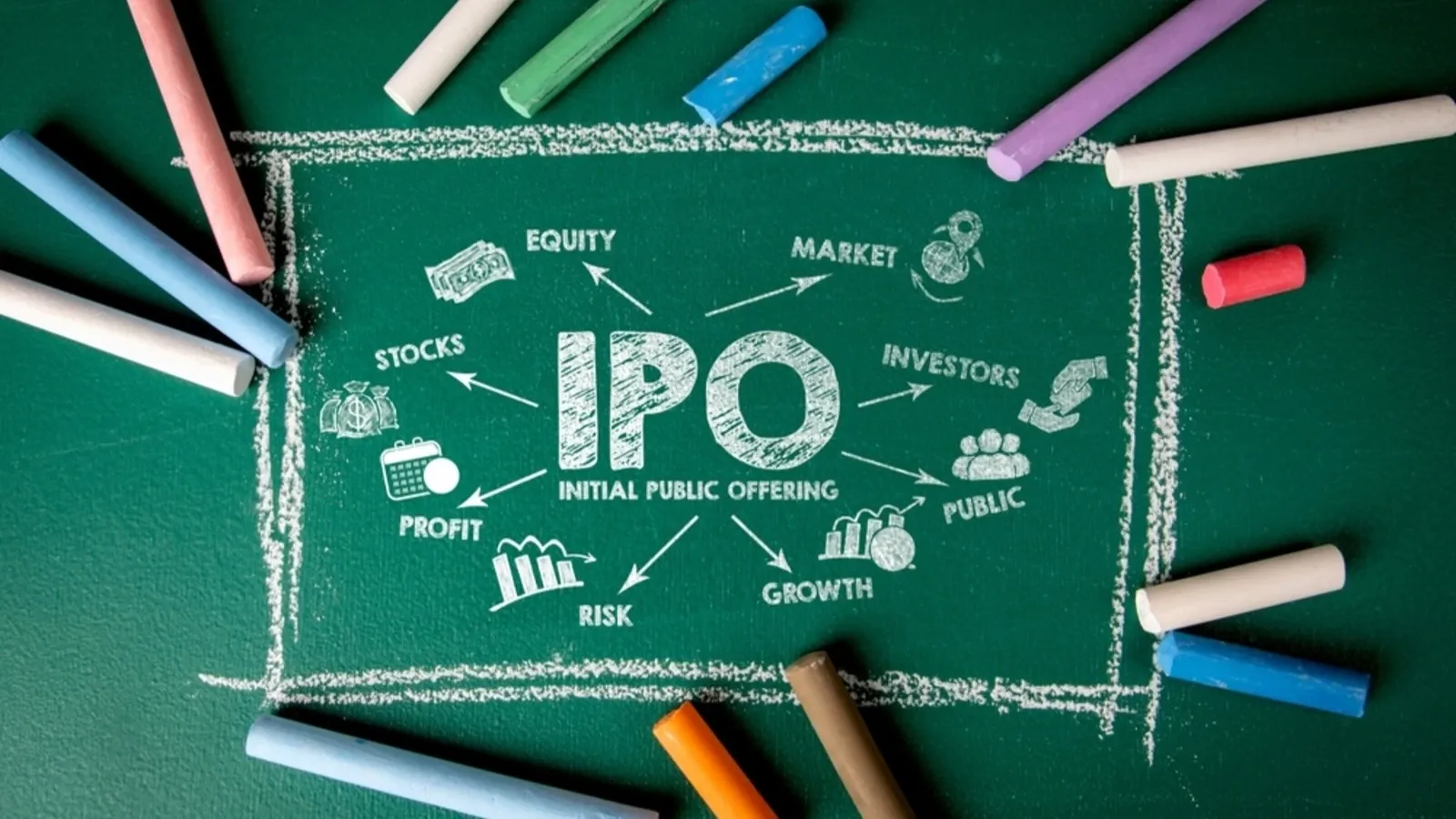
An initial public offering (IPO) is a process through which a private company lists its shares on the stock market.
Now, the question is, why do companies go for an IPO?
Companies opt for an IPO to raise capital from the general public. In return, promoters dilute their shareholding, or existing private investors sell their shares.
What are the components of an IPO?
An IPO has two components: Fresh Issue and Offer for Sale
-
In a fresh issue, the capital raised from the public is used for business growth and other corporate objectives. In short, the funds are used for expanding the business.
-
In an offer-for-sale, the capital raised is transferred directly to the shareholders selling their shares. This money does not go to the company but to the existing investors.
How to Analyse an IPO?
Analysing an IPO is not an easy task; you must understand the basic financial and market terms to make an informed decision. Here are the points that must be analysed before investing in any IPO:
Review the IPO prospectus - DRHP
Read the Draft Red Herring Prospectus (DRHP) filed with SEBI. It is the most authentic source to get the details of the company. It gives the information about the fresh issue, offer for sale, and explains why the company is raising funds and how it plans to use them.
DRHP also provides many other important pieces of information, such as the company's financials, leadership, business model, and growth plans.
Analyse Financial Statements
It shows whether the company is profitable, sustainable, and worth your investment. Start by analysing the profit and loss statement, check whether the revenue is growing on a consistent basis or not, profit margins, and net profit after tax deductions.
After that, analyse the balance sheet along with the cash flow statement to check cash inflows and outflows.
Compare Financial Ratios
Financial ratios such as P/E, P/B, Debt-to-equity, EPS, etc., are important valuation metrics. Compare ratios with peer companies to check whether the valuation is justified or not. It tells you the IPO’s issue price is low or expensive.
Examine the Market Scenario
At the time of IPO launch, the overall market sentiment plays a crucial role. If the overall market sentiment is positive, the IPO is expected to get high demand. Also, do the sectoral analysis and see which sectors IPOs are performing well.
Evaluate Investors Interest
Check the level of interest in the IPO among various investor categories. Look at the subscription data of Qualified Institutional Buyers (QIB), Non-institutional investors (NIIs), and retail investors. High QIB participation shows strong institutional confidence in the company’s business and plans.
Factors To Consider Before Investing in an IPO
Here are a few important factors to consider before investing in an IPO:

Investment Goal
Before applying, be sure you are applying to the IPO for listing gains or long-term investments.

IPO Grey Market Premium (GMP)
It is the extra price investors are willing to pay before shares get listed on the stock exchange. If the GMP is high, IPO is expected to list at a premium.

Risk Involved
When applying for an IPO, analyse your risk appetite. An IPO can list at a discount, which can lead to losses. Moreover, if the market sentiment is bearish, the GMP might fall on the last day of subscription.

IPO investing is one of the simplest ways to invest in companies you believe in. However, it's important to analyse the company's financials, compare ratios, track GMP, and understand market sentiment before investing.
Not every IPO provides a good opportunity. Some may come with expensive valuations that can affect your overall portfolio returns. Therefore, always invest in line with your financial goals and risk appetite.
About Author
Subhasish Mandal
Sub-Editor


A finance professional with strong expertise in stock market and personal finance writing, he excels at breaking down complex financial concepts into simple, actionable insights. Holding a Master’s degree in Commerce, he combines academic depth with practical knowledge of technical analysis and derivatives.
Read more from Subhasish





















Upstox is a leading Indian financial services company that offers online trading and investment services in stocks, commodities, currencies, mutual funds, and more. Founded in 2009 and headquartered in Mumbai, Upstox is backed by prominent investors including Ratan Tata, Tiger Global, and Kalaari Capital. It operates under RKSV Securities and is registered with SEBI, NSE, BSE, and other regulatory bodies, ensuring secure and compliant trading experiences.
Related articles


IPO
The Ultimate Guide to Initial Public Offerings (IPO): Everything You Need to Know Before Investing11 min read | Written by Mariyam Sara