Market News
RBI keeps repo rate unchanged at 5.25%; will it boost housing demand? Developers weigh in

5 min read | Updated on August 05, 2026, 14:20 IST


SUMMARY
The central bank maintained status quo on the key policy rate for a fourth consecutive meeting, opting to wait for greater clarity on whether higher energy costs triggered by the Iran war feed into broader inflationary pressures.
Stock list

The NIFTY REALTY index traded 1.43% higher at 903.90 levels, with eight out of 10 constituents trading in the green. Image: Unsplash
As widely expected, the six-member monetary policy committee (MPC) of the Reserve Bank of India (RBI) decided to keep the repo rate unchanged at 5.25% at the latest August policy meeting, which was held between August 3 and 5.
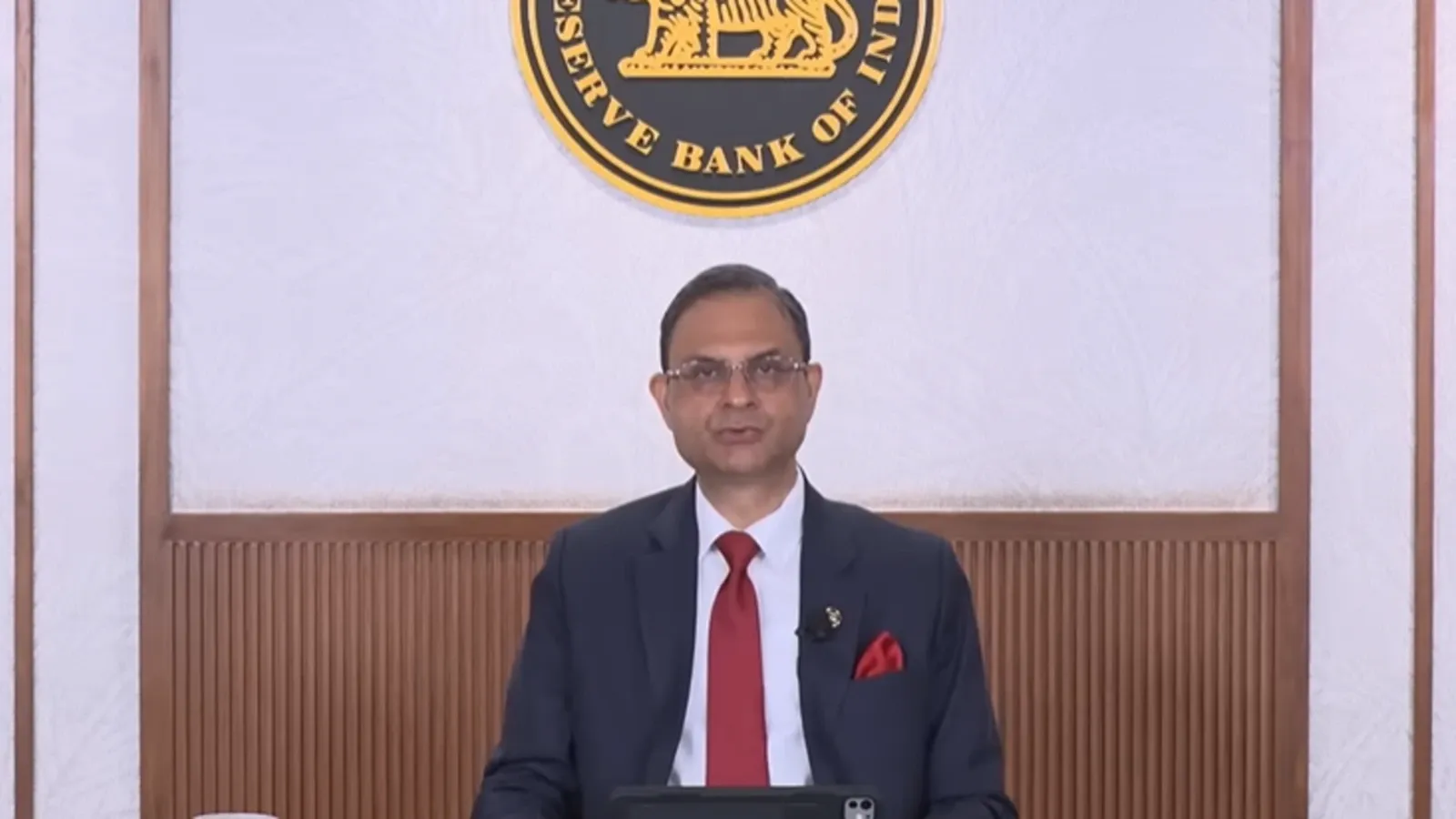
The MPC unanimously voted to keep the policy repo rate unchanged and retained its "neutral" policy stance, said RBI Governor Sanjay Malhotra in his policy address.
While most experts welcomed the decision to hold rates steady, the real estate sector feels the move is not enough to reignite the mass-market housing cycle.
For instance, Anuj Puri, Chairman - ANAROCK Group, said that the unchanged policy rate is a welcome signal of stability amid the ongoing macroeconomic uncertainty, but it is not enough to reignite the mass-market housing cycle.
ANAROCK’s Q2 2026 data show that total sales in the top seven cities fell 6% year-on-year to about 90,715 units, while affordable housing supply has fallen to just 6% of total launches even as overall new supply increased 7% year-on-year to about 1.06 lakh units.
"This mismatch is the main area of concern. Affordable housing demand remains very rate-sensitive, and with average residential prices still growing at 7% annually across the top cities, rate steadiness alone will do little to improve affordability. The market is obviously moving to a more balanced position overall - but this balance comes from the high-end luxury housing segment, not from the part of the market that drives broad-based homeownership," Puri added.
Anil Pharande, Founder & Chairman, Pharande Spaces, notes that the RBI’s unanimous call to keep rates at 5.25% is kind of a welcome sign of stability.
With no EMI jump coming into the picture, homebuyer mood stays guarded, particularly in the affordable along with mid-segment buckets.
This little status quo, Pharande added, gives fence-sitters that extra confidence to wrap up purchases in the middle of the ongoing festive stretch, without feeling like borrowing costs might creep up.
"Still, developers cannot get comfortable, because even though rates are steady, the input costs are moving higher. So, these pressures need to be absorbed from inside rather than just pushed onto buyers, so that affordability stays in place more or less, not gets diluted," Pharande added.
Siddharth Maurya, Managing Director of Vibhavangal Anukulkara Pvt Ltd, noted that a rate hold is better than a rate hike, but 5.25% is still pretty elevated for first-time buyers in the affordable segment.
The EMIs on ₹30–₹40 lakh loans remain steep and without an actual rate cut, the affordability gap doesn’t really close.
Maurya opined that the real lift for this segment will likely come from state-level support, or maybe higher PMAY allocations, and not from RBI decisions alone.
Builders targeting this band should really intensify, using creative payment structures—like 5:95 plans—to bridge the difference.
"The neutral stance is reassuring, but it doesn’t address the demand-side liquidity crunch that smaller buyers deal with every day," Maurya added.
Nikhil Mawale - Co- Founder & CEO, PropertyDrone Realty, echoed a similar view.
"Keeping the repo rate at 5.25% with a neutral stance sounds sensible, but it doesn’t really juice up housing demand when inventory is already high. People hunting for rental income will likely like the predictable EMIs, yet possible price appreciation still depends much more on project delivery and whether the location truly makes sense, not on the direction of interest rates. So my take is simple: don’t let the current situation create FOMO. Use the festive deals to push the negotiation, still be firm, but keep in mind that rates can only creep upward from here if global energy prices stay stubborn."
Think of it as a window to buy wisely, not buy quickly. If you can, lock in fixed-rate loans now as a hedge against future uncertainty, Mawale added.
Aman Gupta, Director of RPS Group, said that in luxury and commercial real estate, the repo rate hold is almost beside the point, really—those buyers aren’t that EMI-sensitive; they’re more into capital growth and rental yields, that kind of thing.
The real headache feels more like global uncertainty, and how it spills over into foreign institutional buying.
"Since rates are steady for now, we could see NRIs still channeling money into Indian real estate, attracted by reasonably stable outcomes. But developers have to keep an eye on the core inflation trail, very carefully; if it firms up, then the next move may get more hawkish, not softer. For now, this pause helps us introduce fresh inventory, without that annoying distraction from loan rates that keep wobbling," Gupta added.
How real estate stocks are faring on Wednesday
The NIFTY REALTY index traded 1.43% higher at 903.90 levels, with eight out of 10 constituents trading in the green. Godrej Properties shares were up 4.28% at ₹2,120.60 apiece on the NSE, while DLF was up 2% at ₹656.10. Oberoi Realty traded over 2% higher at ₹1,816.80, and Lodha Developers Ltd was up 1.7% at ₹1,250.50.
Related News

About The Author
Next Story