
Market News
Crude oil prices at 2-month low: What it means for OMCs, ONGC, paint, tyre and aviation stocks

4 min read | Updated on November 11, 2026, 07:45 IST

SUMMARY
Brent crude futures fell $1.08, or 1.2%, to settle at $91.49 per barrel, while US West Texas Intermediate (WTI) crude declined 81 cents, or 0.9%, to $86.04 per barrel on Tuesday.
Stock list
The decline in crude oil prices matters for Indian companies, as the country relies heavily on imports to meet its crude oil needs.
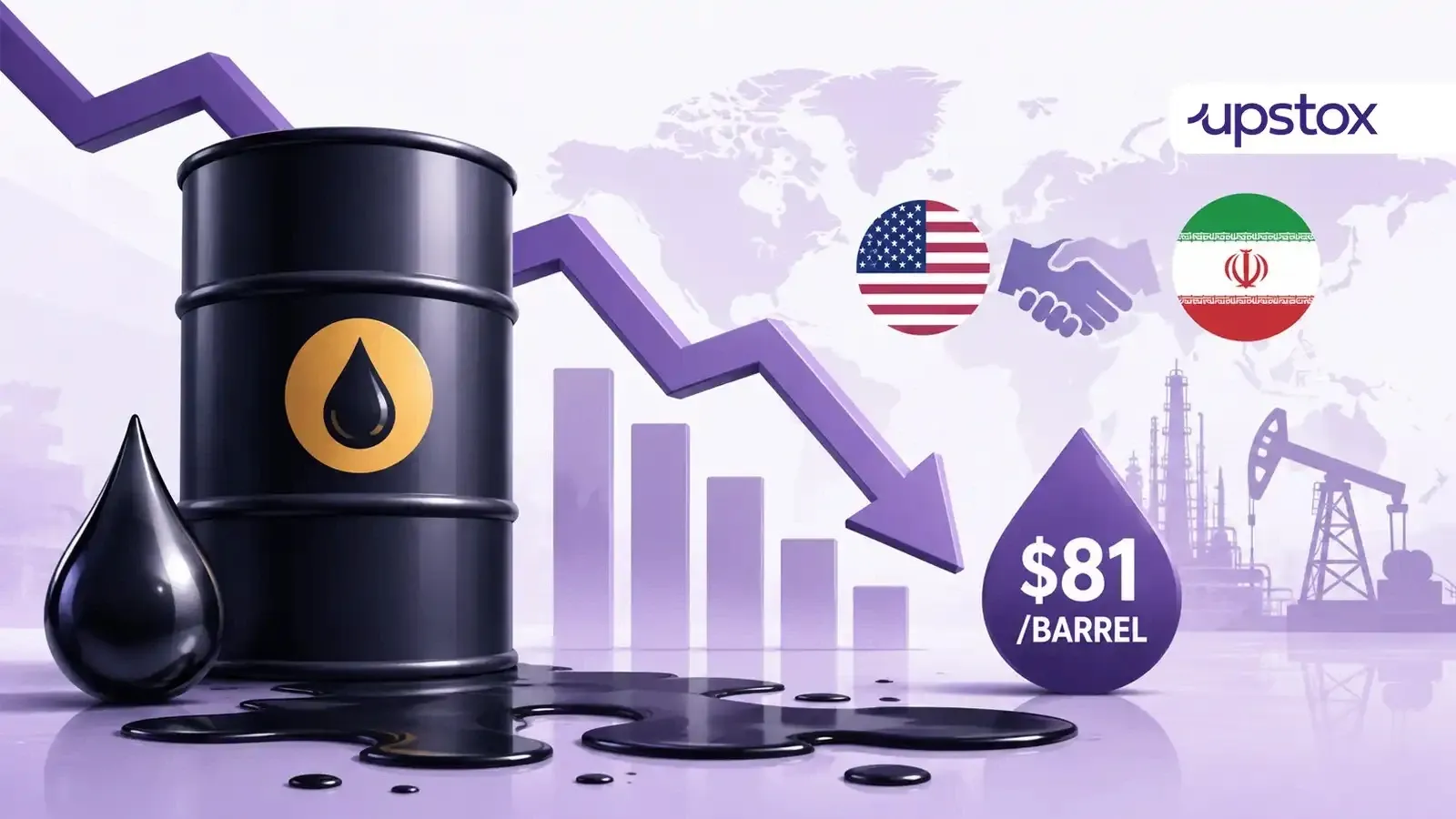
Oil-linked stocks across sectors, including oil marketing companies (OMCs), upstream oil producers, paint manufacturers, tyre companies and aviation firms, are likely to remain in focus on Wednesday, November 11. This is because crude oil prices have eased to a two-month low amid signs of reduced geopolitical tensions between the US and Iran.
Brent crude futures fell $1.08, or 1.2%, to settle at $91.49 per barrel, while US West Texas Intermediate (WTI) crude declined 81 cents, or 0.9%, to $86.04 per barrel on Tuesday. Both benchmarks settled at their lowest levels since August 31 for a second consecutive session.
Crude oil prices fell by more than $3 per barrel in early trade on Tuesday before recovering some losses after Iran's top security official, Mohsen Rezaei, said there were currently no negotiations between Tehran and Washington.
The initial decline followed US Secretary of State Marco Rubio's comments to Group of Seven (G7) allies that economic sanctions and the naval blockade were working, reducing the need for major US combat operations against Iran.
The decline in crude oil prices matters for Indian companies, as the country relies heavily on imports to meet its crude oil needs.
OMCs: Lower crude prices could ease input costs
Oil marketing companies (OMCs), including Indian Oil Corporation (IOC), Bharat Petroleum Corporation (BPCL) and Hindustan Petroleum Corporation (HPCL), could benefit from a decline in crude oil prices as lower input costs can improve their marketing margins, provided retail fuel prices remain unchanged.
However, the extent of the benefit will depend on the companies' ability to pass on changes in crude prices to consumers, refining margins and inventory gains or losses.
If retail petrol and diesel prices are reduced in line with crude oil prices, the benefit to marketing margins could be limited.
ONGC, Oil India: Lower crude prices can weigh on upstream companies
In contrast, upstream oil producers such as Oil and Natural Gas Corporation (ONGC) and Oil India could face pressure from declining crude oil prices.
These companies explore and produce crude oil and natural gas. Their realisations are linked to global crude oil prices. A sustained decline in crude prices could therefore reduce their revenue and operating profitability.
Higher crude prices generally benefit upstream producers by improving realisations, while a correction in prices can have the opposite impact.
Paint stocks: Lower raw material costs could support margins
Paint manufacturers such as Asian Paints, Berger Paints, Kansai Nerolac and Akzo Nobel India could benefit from lower crude oil prices.
Crude oil is an important raw material for the paint industry, as several inputs, including solvents, resins, monomers, and other petrochemical derivatives, are crude-linked.
A decline in crude prices can reduce procurement costs and support operating margins, particularly if companies do not immediately pass on the savings through lower product prices.
However, the impact may not be immediate as it depends on inventory costs, raw material procurement cycles and the movement of individual petrochemical prices.
Tyre stocks: Potential relief from crude-linked input costs
Tyre manufacturers, including MRF, Apollo Tyres, CEAT and JK Tyre, could also benefit from softer crude oil prices.
Synthetic rubber, carbon black and several chemicals used in tyre manufacturing are linked to crude oil and its derivatives. Lower crude prices can therefore ease raw material costs and support margins.
However, natural rubber is another major input for tyre manufacturers, and its prices are influenced by factors such as weather conditions, production and global supply-demand dynamics. Consequently, the benefits of lower crude prices may vary across companies.
Aviation stocks: Lower aviation turbine fuel costs could help airlines
Aviation companies such as InterGlobe Aviation (IndiGo) and SpiceJet could benefit from lower crude oil prices as aviation turbine fuel (ATF) accounts for a significant portion of their operating expenses.
ATF prices are linked to global petroleum product prices, which are influenced by crude oil movements. A sustained decline in crude prices could eventually translate into lower fuel expenses for airlines, supporting their operating margins.
However, the transmission is not instantaneous, and ATF prices in India are revised periodically. The rupee-dollar exchange rate, international fuel refining margins and other operating expenses also influence the final benefit to airlines.
What should investors watch?
The decline in crude oil prices could have varying implications for oil-linked companies.
While OMCs, paint manufacturers, tyre makers and aviation companies could benefit from lower input costs, upstream producers such as ONGC and Oil India could face pressure on their realisations.
Related News


About The Author
Next Story

