
Upstox Originals
Jet fuel prices rise yet again, temporary air pocket or bigger storm ahead for IndiGo?

5 min read | Updated on October 08, 2026, 13:57 IST


SUMMARY
Jet fuel prices have risen for three months straight, and IndiGo has responded with higher fares and a fresh fuel surcharge. Despite that, IndiGo recovered only about 57% of the rise in costs in the June quarter. It is currently facing three headwinds: elevated fuel prices, dip in market share, and moderating overall passenger traffic. Will a strong balance sheet and festive travel help it overcome this brief lull, or will the challenge get even stronger? Read on to find out.
Stock list
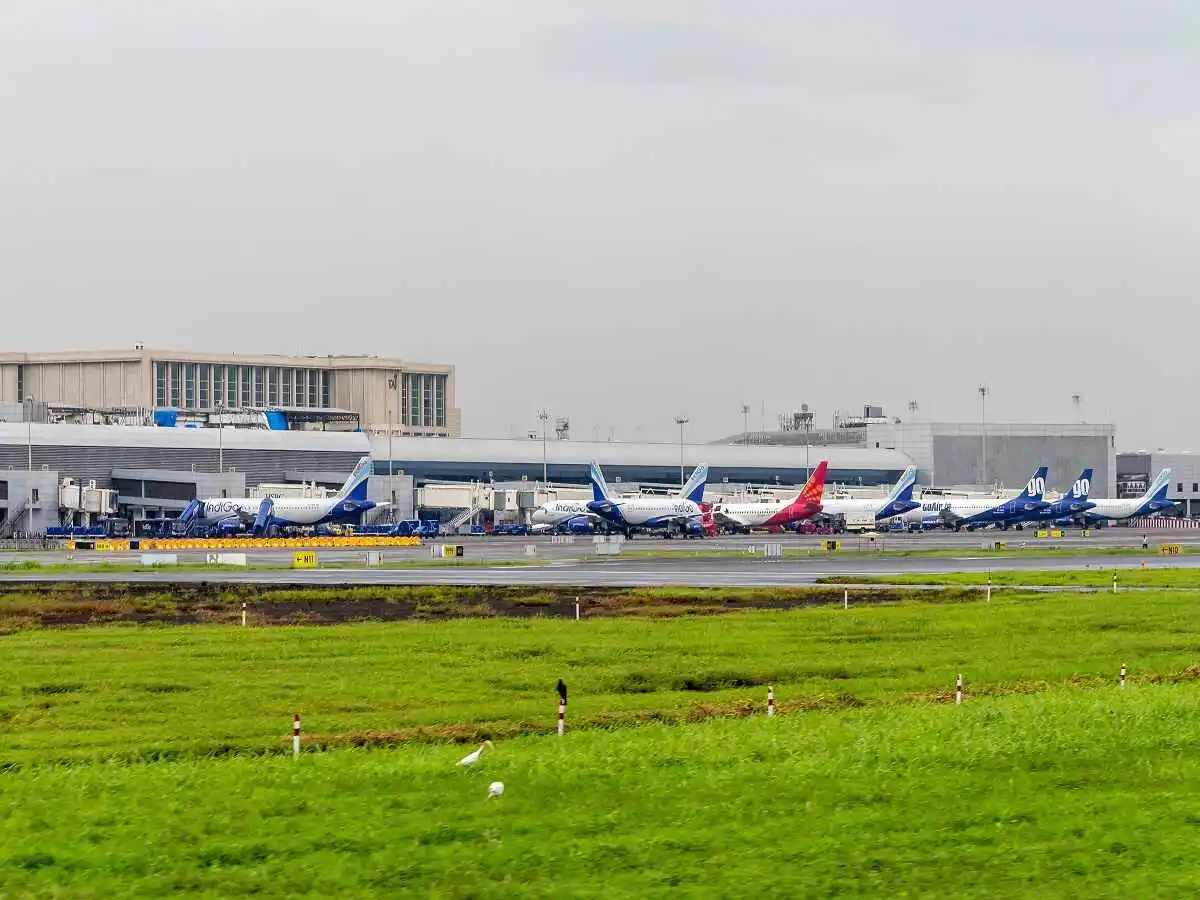
Oil companies raised domestic jet fuel (ATF) from ₹121 to ₹137 a litre, a 13.2% jump and the third monthly increase in a row | Image: Shutterstock
If you're booking a flight home for Diwali or Chhath this week, the fare has a new add-on. From October 6, IndiGo is raising its fuel charge by ₹100 to ₹350 on domestic flights, depending on the distance.
Here's the context: Oil companies raised domestic jet fuel (ATF) from ₹121 to ₹137 a litre, a 13.2% jump and the third monthly increase in a row.
Source: News articles
Fuel makes up around 40% of an airline's operating costs, so a hike this size is felt quickly.
The surcharge by itself is not new news. But what matters is the impact on India’s largest domestic airline and on the passengers booking their next flight.
The fuel bill nearly doubled in a single year
The October hike sits on top of a cost shock that was already visible in IndiGo's June-quarter results. Its fuel expense rose 85.7% to ₹10,833 crore, from ₹5,833 crore a year earlier. This obviously follows the sharp increase in the price of Brent crude (~ 50%) and Singapore jet fuel prices (~120%).
The rupee depreciation has added to it, with the average exchange rate weakening from ~₹85 to ~₹95 per dollar over the year from June 2025 to June 2026. IndiGo pays for the fuel, aircraft leases and maintenance largely in dollars.
Pricing power showed up, but it didn't cover the bill
IndiGo did raise prices. Passenger yield, what it earns per passenger per kilometre, rose 21.3% in the June quarter. The catch shows up when revenue and cost are measured on the same unit, the available seat-kilometre (one seat flown one kilometre).
Source: Company reports
A year ago, IndiGo earned 55 paise more per seat-km than it spent. In the June quarter, it spent about 5 paise more than it earned. Of every rupee of extra cost per seat-km, fares and ancillaries recovered roughly 57 paise.
The price of pricing power is passengers
One would imagine that IndiGo’s 65%+ market share would let it comfortably pass on the cost without any meaningful impact. The August data from the aviation regulator, DGCA, however, raises some questions.
Domestic airlines carried 1.21 crore passengers in August, 6.34% fewer than a year earlier. Within that shrinking market, IndiGo also lost share.
Source: Loktej and Business Standard articles
One swallow does not make a summer. One month is not a trend. Still, pressure on the market leader does indicate overall stress on the industry. If the other players temporarily refrain from price hikes, it is not a permanent solution. A passenger going home from Pune to Patna might wait for a sale; an airline can't wait for fuel to fall.
How has the share price reacted?
For a company facing such challenges, the stock price has been relatively calm. IndiGo traded at ₹4,988 on October 7, down ~5% vs an almost 14% fall YTD fall in the Nifty50.
Two things explain the calm.
- The balance sheet can absorb a bad stretch: free cash stood at ₹39,039 crore at the end of June.
- For the upcoming quarter, it has guided for flat capacity and passenger revenue per seat-km up more than 25%. Once fuel and the rupee settle, it intends to shift from price-led to volume-led growth.
Simply put, the market is treating the fuel shock as temporary and IndiGo's pricing as durable. Both assumptions can be checked, quarter by quarter.
Two checks you can run yourself
You don't need an analyst's model to track this. Two numbers, read together, can help you make a relatively informed decision.
As background, oil marketing companies revise ATF prices on the 1st of each month. That date gives you an early read on the next quarter's fuel bill before the airline reports it.
The fare is the signal
The surcharge on your Diwali ticket is more than an irritation. It shows an airline using its scale to protect margins, and a fare is the most direct evidence of whether that is working. Watch what passengers do with it, not just what IndiGo charges.
About The Author
Next Story

