
Upstox Originals
Jewellers are selling more, even though Indians are buying less jewellery

4 min read | Updated on September 30, 2026, 14:36 IST


SUMMARY
Jewellery spending in India jumped 34% in April–June, but the quantity bought fell 15%. Households are still buying gold, just more of it as coins and ETFs, and they're increasingly paying with old jewellery. This festive season, volumes, buyer numbers and underlying margins will say more about jewellers than headline revenue.
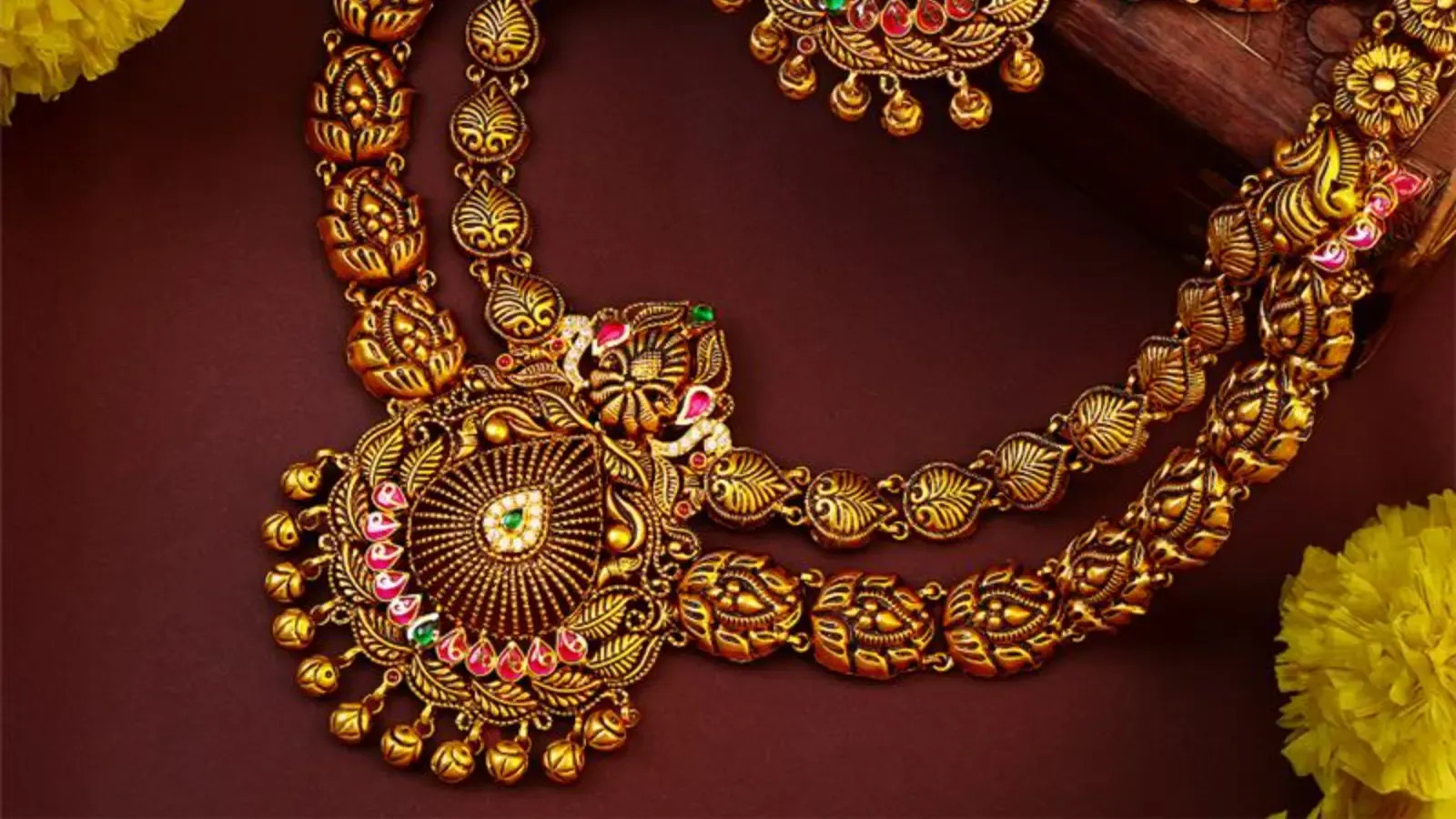
In H1 2026, jewellery volumes fell 17%, while demand for bars & coins as well as ETFs rose sharply. | Image: Shutterstock
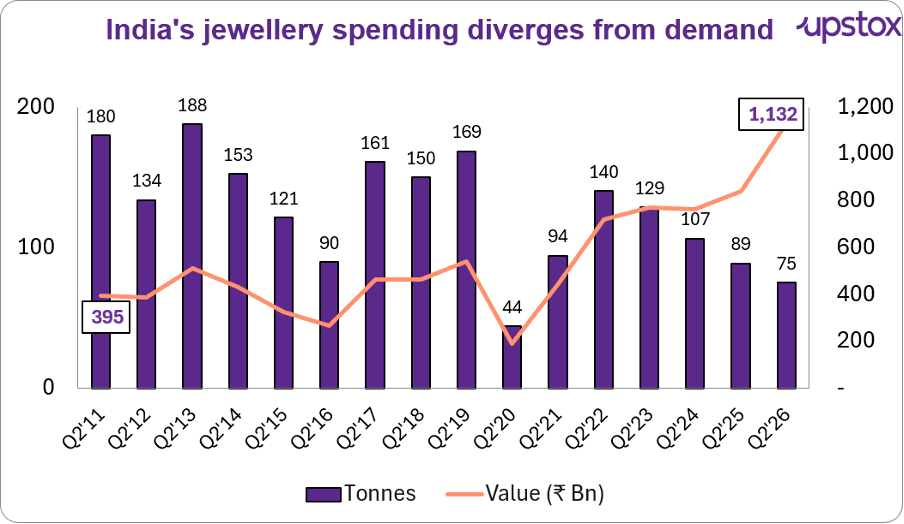
In the April–June 2026 quarter, Indians spent 34% more on jewellery than a year earlier, according to the World Gold Council (WGC). The quantity they bought fell 15% to 75 tonnes, the second-lowest April–June figure in WGC data going back to 2000. So, what is going on? Does an increase in gold price explain it all?
Source: World Gold Council (WGC)
This isn't a one-off. Over 15 years of second-quarter data, spending has climbed steadily while tonnage has drifted lower. The gap is simply wider now, with domestic gold prices around 59% higher than a year ago. Consequently, the same amount of money will buy you fewer grams, so a jeweller's revenue will rise even though fewer grams will leave the store.
Impact of custom duty hike
In mid-May, customs duty on gold imports rose from 6% to 15%. That kept domestic prices elevated, despite some easing in global prices. For more details, read the article here.
Where is the money going?
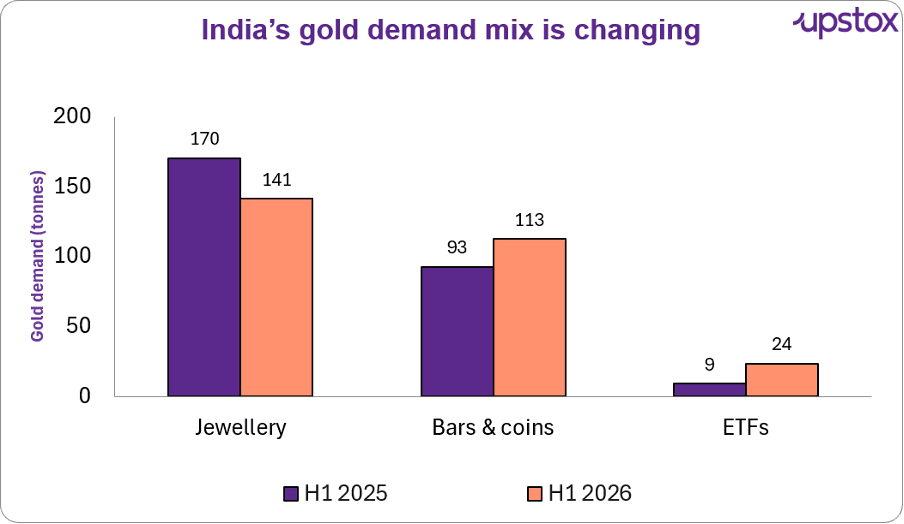
Has India lost interest in gold? As the data below shows, not really. The mix has simply changed. In H1 2026, jewellery volumes fell 17%, while demand for bars & coins as well as ETFs rose sharply. India's total gold demand still inched up 1.8% by volume.
Source: WGC
Is the shift permanent? Not really, but the change in trend is definitely interesting. When gold is expensive, making charges and design premiums are harder to justify. A coin or an ETF gives the same exposure without paying for craftsmanship. For jewellers, the threat isn't that people stop buying gold. It's that they buy it somewhere else.
How households are stretching the budget
A WGC–Kantar survey found something interesting – Indian families have started choosing lighter or lower-carat pieces and buying less often. So, the budget remains the same.
Gold exchange is also doing much of the heavy lifting. Retailers told the WGC that exchange volumes rose 10–20% in the quarter, and in some cases exchanges made up as much as 70% of sales.
Point in case: Kalyan Jewellers. It launched its gold recirculation campaign around May-June. Recycled gold made up more than 46% of its revenue in April–June, up from about 30% a year earlier. In June alone, the share crossed 55%.
This growth, of course, has a price. The gold exchange business is generally lower margin compared to fresh gold sales. As such, its gross margin slipped to 11.9% from 13.9%, in part due to a higher share of exchanged gold.
Are smaller and bigger chains both faring well?
Expensive gold is hardest on smaller jewellers. Every gram of inventory costs more to hold, and exchange schemes need working capital that local shops often can't raise cheaply.
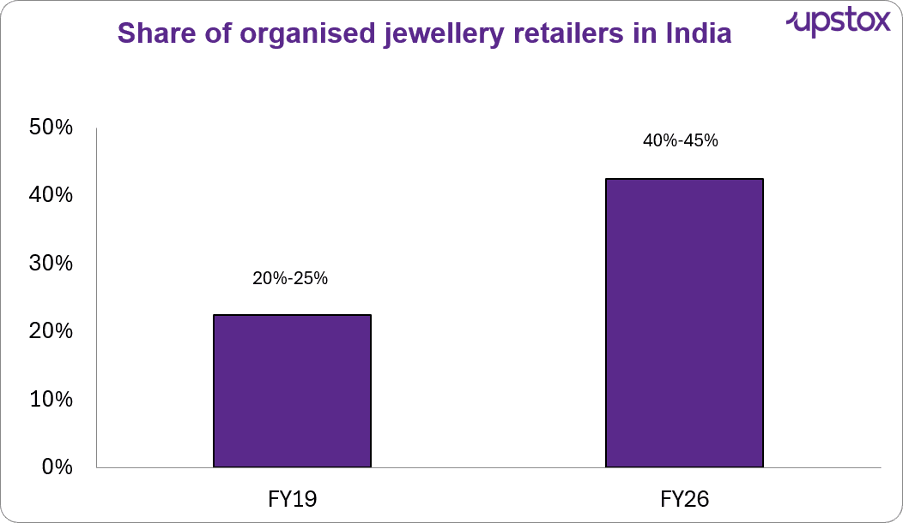
Larger chains have deeper sourcing networks, easier access to finance and wider lightweight and 18-carat ranges, which is exactly what budget-stretched buyers are looking for. That advantage has been compounding for years: organised retailers' share of India's jewellery market rose from about 22% in FY19 to 36–38% in FY24, according to Motilal Oswal.
Source: Motilal Oswal
Titan's April–June quarter (Q1 FY27) shows both the strength and the catch. Its India jewellery revenue grew 38%, driven mostly by bigger bills: average ticket size rose about 31%. But the number of buyers also grew by 5%, in a quarter when the industry's jewellery volumes fell 15%. That suggests Titan is taking share from someone.
Profits need a closer look, though. The customs duty hike raised the value of gold Titan was already holding, adding a one-time gain of ₹407 crore. Its India jewellery margin was 14% as reported, but about 11.6% without that gain.
What to watch this festive season
Dhanteras and the wedding season will produce plenty of "record sales" headlines. Much of that will be the gold price talking.
Margins deserve extra caution. Titan expects to realise its duty gains over the July–September and October–December quarters as it sells that inventory, so festive-season profits may look better than the underlying business.
The better signals are quieter: tonnage rather than rupee value, growth in the number of buyers, how much of each sale is funded by old gold, and margins after one-off gains. Those will show whether larger jewellers are g
About The Author
Next Story

