Market News
V-Mart, Vishal Mega Mart, Trent: 12–13% apparel growth seen in FY27; value fashion takes centre stage

5 min read | Updated on September 10, 2026, 19:38 IST


SUMMARY
The festive season, which has recently commenced, will be crucial to the sector's growth outlook because festive spending typically accounts for nearly 35% of annual apparel sales.
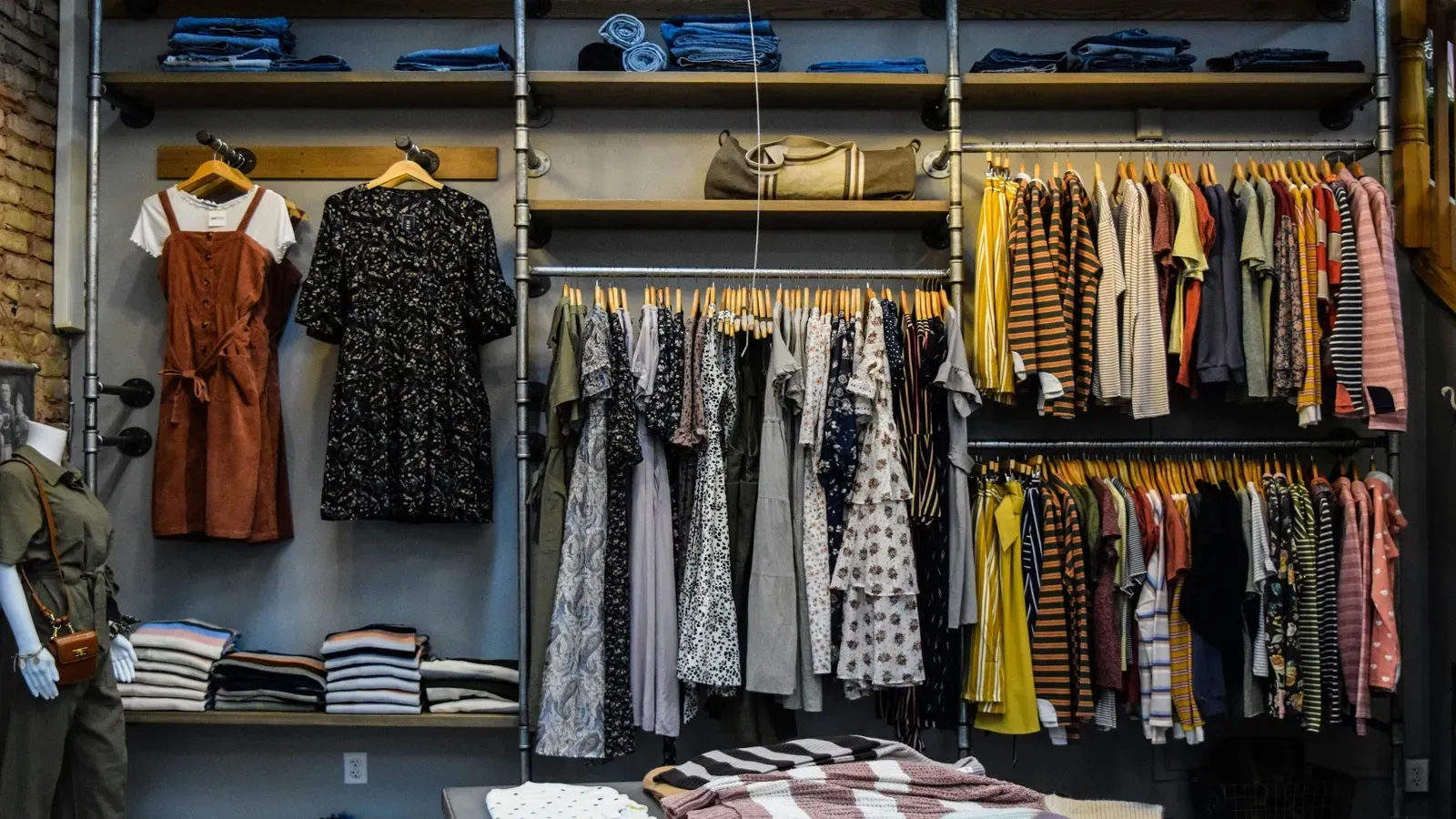
Crisil said that revenue growth has been broadly steady so far in the high single digits between April and August 2026. Image: Unsplash
Shares of apparel retailers such as V-Mart Retail, Vishal Mega Mart, Trent, and V2 Retail, among others are likely to be in focus after Crisil Ratings said India’s organised apparel retail sector revenue is expected to grow 12–13% this fiscal (FY 2026-27), slower than the 15% growth recorded last year.
While the moderation reflects consumers spreading discretionary spending across categories beyond clothing, the report sees value fashion, expansion into smaller cities, and continued preference for branded apparel as key growth drivers.
Crisil said that revenue growth has been broadly steady so far in the high single digits between April and August 2026, but has largely been driven by the value-fashion segment.
What is value fashion?
Value fashion refers to clothing that is affordable and aimed at mass-market consumers, offering trendy or branded-looking products at relatively low prices.
These retailers typically focus on high volumes, frequent new collections, and a wide range of everyday apparel for families.
In simple terms, it is “fashion at affordable prices”, which makes the segment particularly relevant when consumers become more careful about discretionary spending.
Listed apparel players
Publicly available information and analysis show that among listed apparel retailers, V-Mart Retail, Vishal Mega Mart and V2 Retail have relatively direct exposure to the value-fashion segment, while Trent's Zudio format has emerged as a major growth driver for the company.
The broader listed apparel universe also includes players such as Aditya Birla Lifestyle Brands, Arvind Fashions, Vedant Fashions and Raymond Lifestyle, although their exposure to value fashion varies.
For investors, key factors to track will be store additions, same-store sales growth, revenue productivity, and margins as retailers expand into smaller cities.
Key points
Crisil said that the organised apparel retail sector's revenue growth is expected to moderate; however, it is likely to be supported by strong demand for value fashion, expansion of organised retail beyond big cities and continued preference for branded apparel.
Higher cotton prices and rising operating costs are likely to squeeze margins, as intense competition may limit retailers' ability to pass on higher costs to consumers.
Operating margins are expected to fall by about 100 basis points to 14% this fiscal.
However, credit profiles are likely to remain stable because retailers are pursuing calibrated expansion strategies in larger cities that do not strain balance sheets, and expansion in smaller cities requires a relatively lower capital outlay.
Festive season remains crucial
The festive season, which has recently commenced, will be crucial to the sector's growth outlook because festive spending typically accounts for nearly 35% of annual apparel sales.
"Value fashion has emerged as the key growth driver for organised retailers, growing more than twice as fast as the other segments over the past three fiscal years and increasing its share of revenue, "Crisil Ratings Senior Director Anuj Sethi said.
"The shift reflects an increasing share of aspirational consumption by price-conscious consumers, wider choice at lower price points and increasing penetration into smaller cities. While value fashion will continue to support volume growth, the rising share of lower-priced apparel is expected to moderate organised apparel retail revenue growth to 12-13% this fiscal," Sethi added.
Shopping patterns changing
Changing consumer shopping patterns are also increasing the importance of omnichannel strategies as shoppers move seamlessly between online and offline channels; brands are investing in digital capabilities to strengthen customer engagement and attract new customers.
Even so, physical stores continue to account for the majority of apparel sales and remain the primary growth driver.
Retailers are, therefore, expanding their footprint in underpenetrated tier-II and III cities, with value-fashion players leading store additions.
As these networks expand, revenue per square foot and same-store sales growth will remain key indicators of how effectively new stores are translating into revenue growth.
"Revenue per square foot has remained largely flat at around Rs 11,000 over the past three fiscal years and is unlikely to improve this fiscal year meaningfully because same-store sales growth remains subdued. Growth continues to be driven primarily by new store additions and the increasing share of the value-fashion segment.
"With rising cotton prices and elevated operating costs likely to lower operating margins somewhat to around 14% this fiscal, maintaining the balance between growth and profitability will remain critical," Crisil Ratings Director Poonam Upadhyay added.
Capital expenditure is expected to remain around ₹2,500 crore this fiscal, broadly in line with last fiscal, as retailers expand into newer and smaller cities.
Key factors to watch
Crisil Ratings' report added that key factors to watch will be the strength of festive-season demand, retailers' ability to sustain momentum in value fashion, and the trajectory of cotton prices.
India's apparel sector: Changing trends and outlook
The India apparel market size was valued at $88 billion in 2025 and is projected to reach $117.05 billion by 2034, growing at a compound annual growth rate (CAGR) of 3.16% from 2026-2034, according to market research company IMARC Group.
The report notes that India's apparel sector is undergoing a steady transformation underpinned by rising disposable incomes, expanding urban middle-class demographics, and the deepening penetration of organised retail across Tier I and Tier II cities.
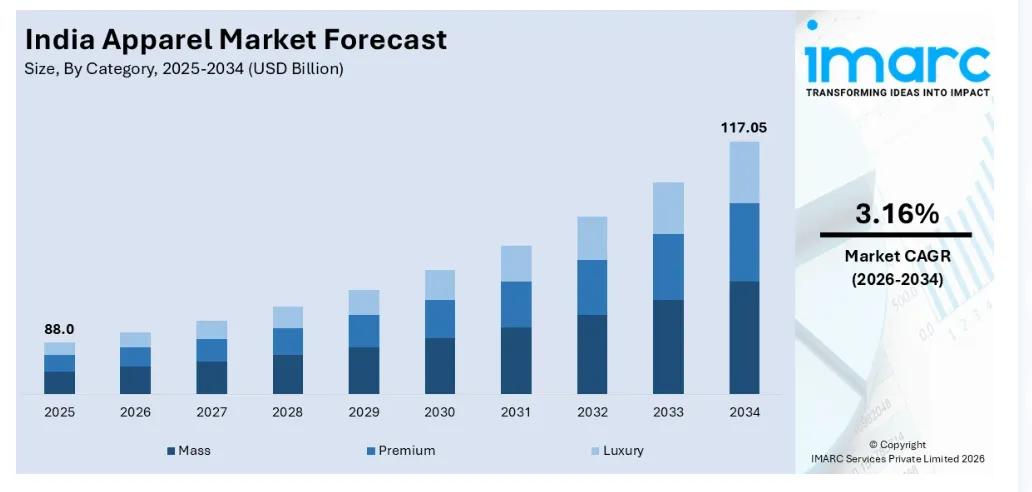
The confluence of evolving consumer aspirations, digital commerce enablement, and increased government support for domestic manufacturing through initiatives such as the production linked incentive (PLI) scheme and the National Textile Policy 2025 is reshaping demand patterns throughout the value chain. These structural factors collectively expand India's apparel market share.
Related News
About The Author
Next Story