
Upstox Originals
How the rupee shielded Indian buyers from a 22% fall in gold price

4 min read | Updated on June 17, 2026, 12:53 IST


SUMMARY
Gold prices have fallen sharply in global markets — but in India, they have barely moved. What explains this disconnect? The answer lies in a powerful mix of shifting interest-rate expectations, a weakening rupee and policy moves at home. This isn’t just a story about gold — but about how global and local forces collide. And it may change how you think about investing in the yellow metal.
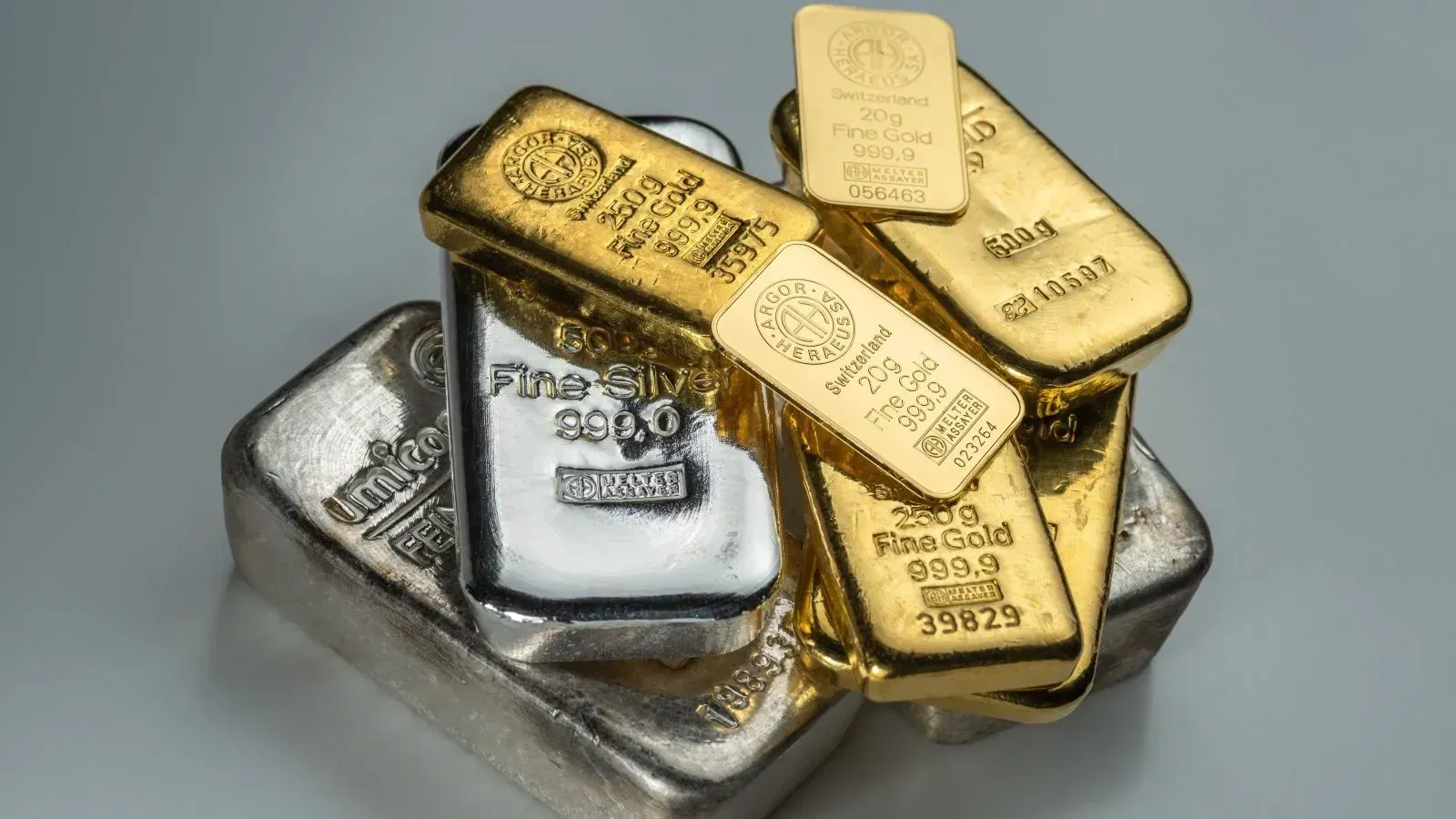
Globally, gold prices have corrected over 20% from their 2026 high. | Image: Shutterstock
In late January 2026, gold crossed $5,589 an ounce, its lifetime high. Less than five months later, it lost about 25% of its value globally. Yet, when you walk into a jewellery store in Mumbai or Chennai today, you will feel the price tag has barely moved. Same metal, but two completely different stories. What’s going on?
The global picture: A sharp climbdown
In 2026, gold corrected about 25% below its peak, currently down ~22%.
Gold price in USD
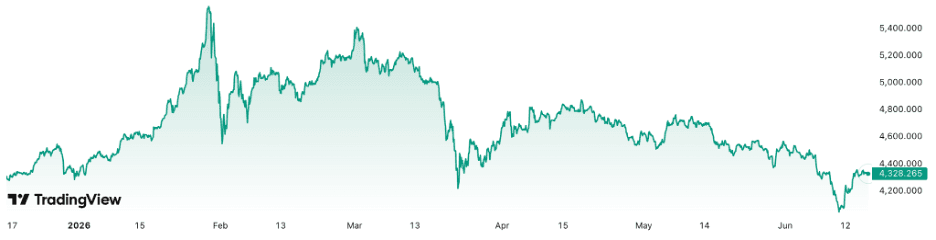
Source: Tradingview; *Data till 16 June 2026
Why is gold falling when the world looks far from calm?
That is the real puzzle. For most of 2026, global geopolitical tensions were elevated, usually the very backdrop in which gold shines. So what changed?
In a word: interest rates. Gold pays you nothing — no interest, no dividend. The only gain on gold is its price appreciation. Through 2025, one of gold’s big demand drivers was the belief that the US Federal Reserve would keep cutting rates.
That belief has now flipped. US inflation jumped to 4.2% in May, the highest reading in three years. Markets now see roughly a 70% chance the Fed will actually raise rates this year. When safe, interest-bearing assets are expected to pay more, a metal that yields nothing looks less tempting.
A firmer US dollar added to the squeeze.Gold and the US dollar tend to move like two ends of a see-saw. Because gold is bought and sold in dollars the world over, a stronger dollar means each dollar buys a little more metal — so the dollar price of gold drifts lower.
A firm dollar also usually goes hand in hand with higher US interest rates, which make safe, interest-paying dollar assets look more tempting than gold, which earns you nothing sitting in a vault. So as the dollar firmed, it quietly added to the downward pull.
Three popular explanations — and what holds up
So has the world simply stopped worrying? Not quite. Here is how the common theories fare:
| What people are saying | Does it hold up? |
|---|---|
| It’s just profit-booking | Largely yes. Gold prices increased ~65% in 2025 and a breather was overdue. |
| Central banks have stopped buying | No. They bought 244 tonnes in Q1 of 2026, well over their five-year average. The Chinese central bank has now added gold for 19 months straight. |
The tell-tale detail: the sellers were mostly fast-moving fund investors, while central banks — the patient money — kept buying. This looks far more like a crowded trade unwinding than a verdict that gold’s days in the sun are over.
So, why is there little impact on India?
Here is where it gets interesting. The same gold that fell about 22% in dollars is down only ~8-10% from its January peak in rupee terms. Two home-grown forces softened the blow:
- A weaker rupee. The currency slid from about ₹90 to the dollar at the start of the year to a record low near ₹96.8 in May. A weaker rupee makes imported gold dearer, propping up the local price even as the global price falls.
- A duty shock. On May 13, the government raised the effective import duty on gold from 6% to 15%, leading to an increase in prices.
The cushion that may not last
For anyone already holding gold, the weak rupee was a quiet blessing — it softened a steep tumble into a far gentler dip. But that cushion is starting to deflate. The rupee is strengthening, helped by a sharp drop in oil prices and easing tensions in West Asia. The import duty is the one local force still pushing the other way.
So will Indian gold "catch down" to the global correction? The useful thing here isn't a forecast. It's knowing what you're actually exposed to. When you buy gold in India, you're not only betting on the metal — you're also, quietly, taking a view on the rupee and on government policy. For investors, this episode reinforces a key lesson: currency moves and policy expectations can matter as much as the asset itself.
About The Author
Next Story

