
Upstox Originals
Five charts that show India is doing better than you think

7 min read | Updated on July 29, 2026, 18:39 IST


SUMMARY
With headlines dominated by tariffs, wars, inflation fears, and AI-driven disruption, it is easy to assume India’s economy is under pressure. But what if the data tells a very different story? From robust GDP growth and record GST collections to strong credit demand and cooling inflation, several key indicators reveal an economy that is proving far more resilient than the noise suggests.
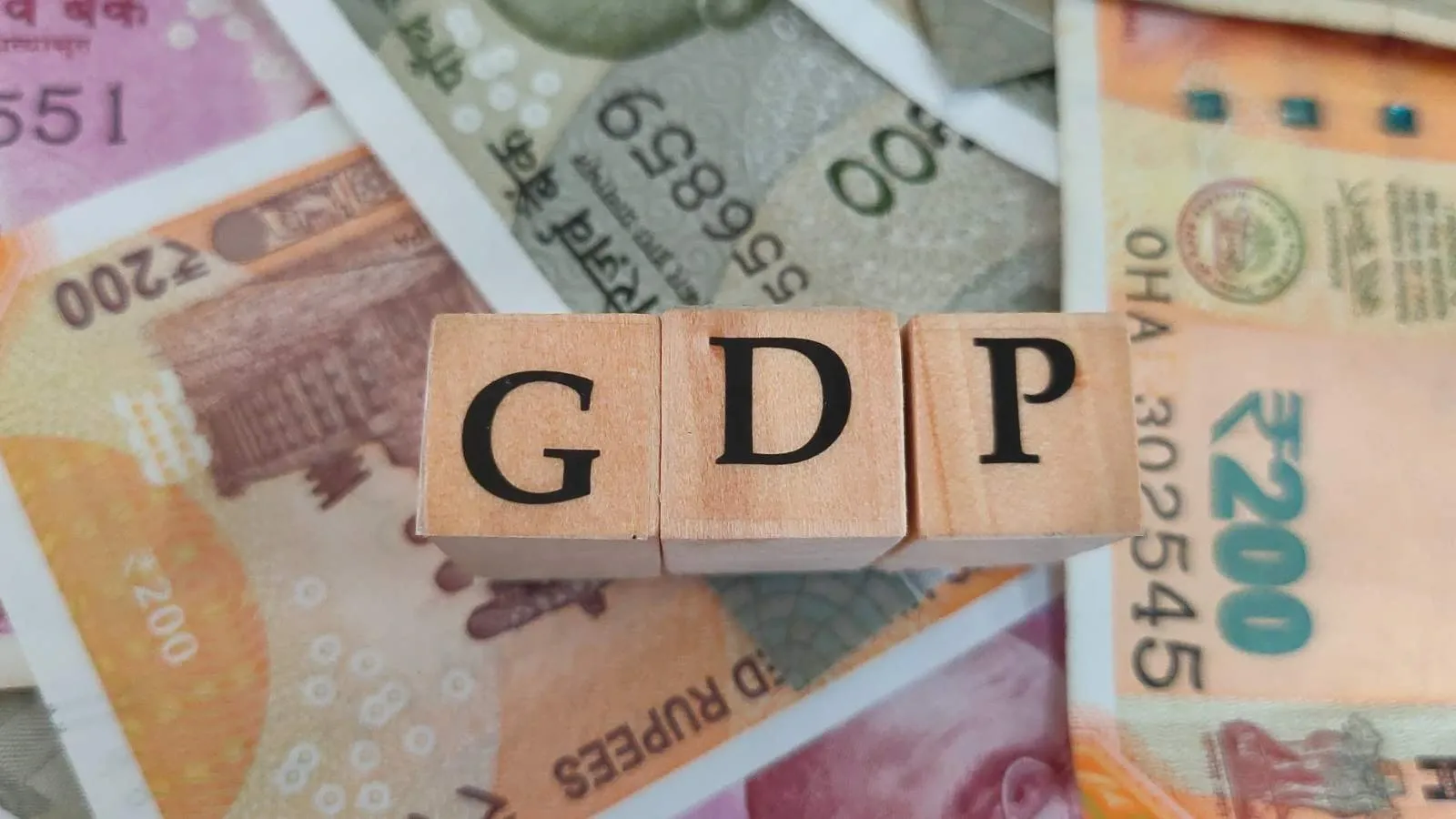
Real GDP expanded 7.8% year-on-year in Q4FY26 (Jan-Mar quarter). | Image: Shutterstock
2026 has not exactly been a walk in the park for the global economy. If anything, it has felt like navigating a minefield. Just a quick look at your social media news feed is likely to paint a picture of relentless uncertainty. Artificial intelligence is changing the way businesses work and is threatening jobs. US President Donald Trump's tariff decisions kept global trade on edge. Wars in the Middle East pushed oil prices into the spotlight.
The list goes on.
No country has escaped the turbulence. India hasn't either.
The prolonged negotiations (still underway!) over the India-US trade deal created uncertainty for exporters and businesses. Meanwhile, the US-Iran war and the subsequent blockade of the Strait of Hormuz raised concerns over supplies including crude oil and fertilisers. This supply disruption stoked inflation worries.
Amid this barrage of uncertainty, it is hardly surprising that investor sentiment has taken a hit.
But, here’s the interesting part. If we strip away the headlines and look at the underlying data, a different picture emerges. The Indian economy has actually shown remarkable resilience.
Let us look at a few key numbers to illustrate this better.
GDP growth remains strong
The most popular and well-understood indicator of economic growth is Gross Domestic Product (GDP).
You might already know that in 2025, India was one of the fastest growing major economies in the world. And despite all the doom-and-gloom scenarios, India is expected to retain this tag.
In a quarter ravaged by challenges, the Indian economy clocked a solid growth number: Real GDP expanded 7.8% year-on-year in Q4FY26 (Jan-Mar quarter). Moreover, for the full year (FY26), growth stood at 7.7%, up from 7.1% in FY25.
Taking note of India’s economic momentum, in its latest report released in July, the International Monetary Fund (IMF) said it expects the Indian economy to grow at 6.4% in FY27 and 6.7% in FY28.
While this is a marginally lowered projection (down from 6.5% projected in April), IMF notes that India still remains among the world’s fastest growing major economies. It attributes India’s resilience to strong private consumption and services activity.
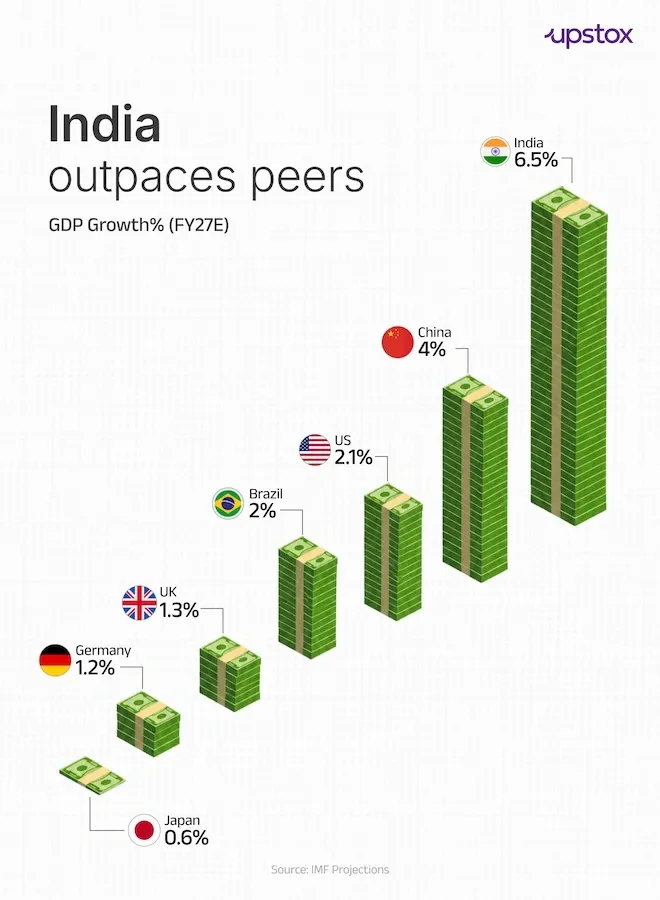
Interestingly, the IMF said that one of the key reasons for this growth projection was the India-US trade deal, which sharply lowered tariffs on several Indian exports. Why does this matter? Because the US is India’s largest trade partner in terms of exports and meaningful progress on the trade agreement has eased concerns over structural barriers to India’s continued growth.
The IMF believes that this deal outweighs the adverse impact of the Middle East conflict. IMF notes that even if the conflict continues, India will still grow at about 6.1-6.2%, more than double that of global growth (2.5%) under the adverse scenario.
GST collections hit record high
Now let’s come to another key economic indicator, Goods and Services Tax (GST) collections. It is a consumption-based tax, which means it is levied on goods or services consumed, rather than when they are manufactured. Thus,it is a critical and real-time barometer of economic health and consumption prowess.
In April this year, the GST collection hit an all-time monthly high of ₹2.43 lakh crore and has continued to stay solid despite global headwinds. This was led by stronger import prices and growth in gross domestic revenue.
Let us understand this better: GST entails two components. The first is gross import revenue. Since GST is levied on total import value, when the import cost expands, so does the tax collection. And that means more revenue for the government. The second component is gross domestic revenue, which refers to the tax collected exclusively from domestic business activities. This collection also moved upwards, signalling continued consumption.
Unlike export-oriented markets, India derives a large part of its growth from domestic demand. So, as long as households and businesses continue to spend, the Indian economy has a sufficient cushion against external or global shocks. In June too, GST collections rose 6% on a year-on-year basis, to ₹1.94 lakh crore.
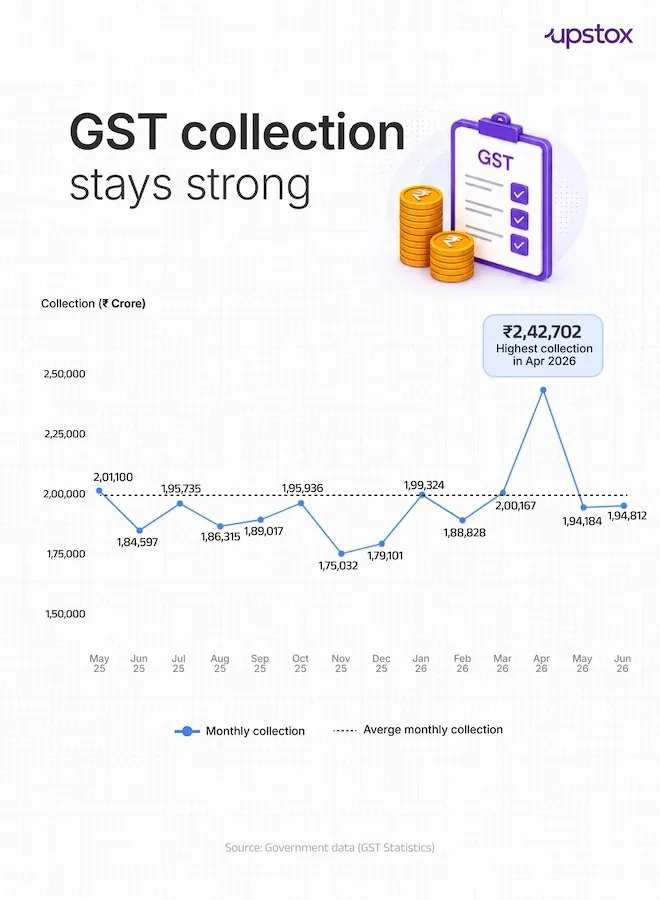
Highlighting this very pattern, Chief Economic Advisor V. Anantha Nageswaran observed that during conflict periods, "demand compression" simply didn't happen in India, which kept domestic business-to-consumer tax collections stable.
Credit growth multiplies
Like spending, borrowing is also an indicator of consumer confidence. In fact, credit is often called the lifeblood of an economy. A healthy credit growth usually signals confidence in India’s structural long-term growth story. This is because individuals and businesses take loans to spend only when they are confident of their future prospects.
We have reason to cheer on this front too. Credit growth (on a year-on-year basis) has remained above 15% for each of the last three months. Perhaps even more encouraging has been the uptick in non-food credit, i.e., loans given for purposes other than food procurement.
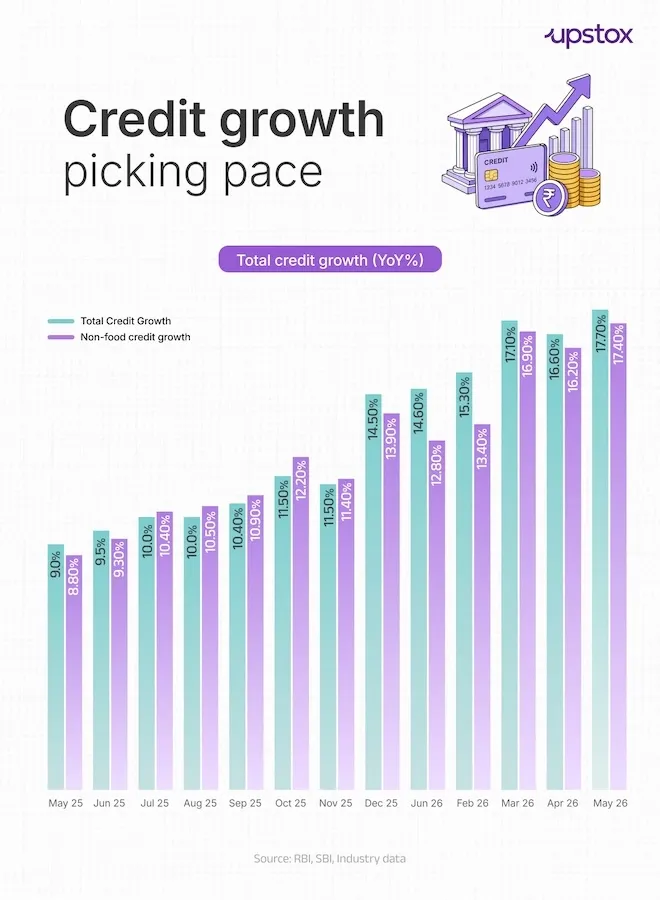
This means, undeterred by global headwinds, businesses, entrepreneurs and even households are borrowing. And more importantly, banks are willing to lend.
Additionally, the Indian credit system is at its healthiest position in over a decade. In the latest Financial Stability Report, RBI Governor Sanjay Malhotra highlighted the resilience of the Indian financial ecosystem, noting that robust economic growth, low inflation (we’ll come to this in the next section), and healthy balance sheets have successfully helped preserve India’s macro-financial stability.
Inflation stays in control
When oil prices rose sharply and LPG crises loomed large, it was feared that inflation would become India's biggest macro challenge. But, it hasn’t.
Though we did actually face price rise in certain segments, the numbers aren’t at alarming levels. Retail inflation has largely remained within the RBI's comfort band of 2-6%.
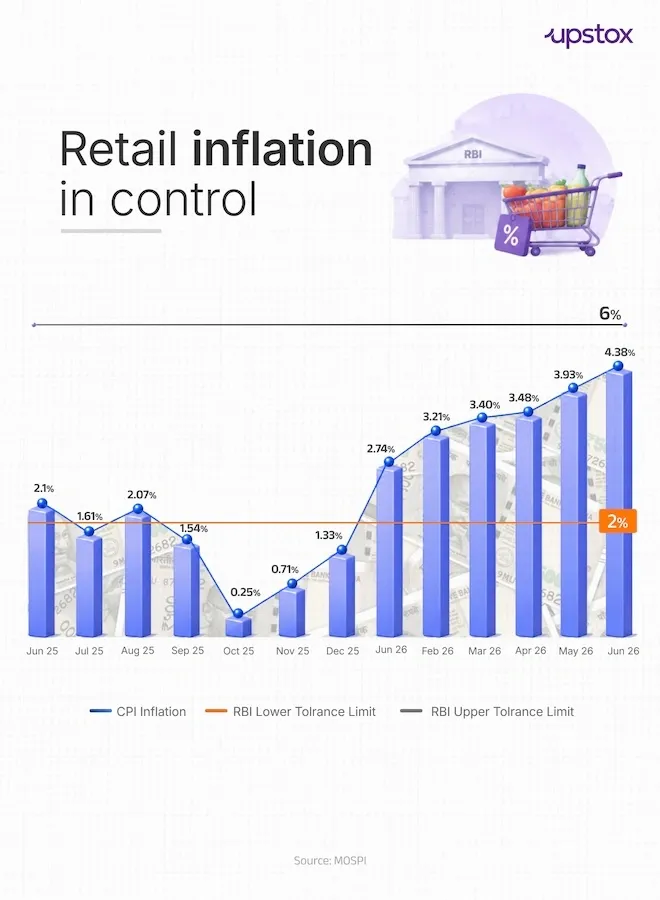
There is more good news. Oil prices have declined to ~$85 per barrel, down from the high of $120 per barrel in April 2026. For India, one of the world's largest crude oil importers, that's particularly significant.
Here’s why: Oil and its derivatives don’t just influence petrol and diesel prices. They also impact sectors ranging from paints, chemicals, textiles, logistics, FMCG, and countless everyday products.
When crude prices fall, it translates into lower input costs for businesses. It also lowers transportation costs, and eventually reduces prices, benefitting the end-consumer. So, a fall in oil prices can have a ripple effect across the economy.
Not a twin problem
Declining oil prices also improve India’s macroeconomic outlook remarkably. This happens in two ways:
Firstly, since India imports nearly 85% of its crude oil requirement, lower crude prices immediately reduce the country's import bill. This, in turn, will be beneficial to our trade balance and deficit, which is basically the gap between what we import and export.
Secondly, if the inflation remains within the RBI’s range, then the central bank doesn’t have to increase the interest rates. An accommodative interest-rate environment supports investment and economic growth. This is good not just for individuals like us, but also the government. Because then, the government doesn’t need to pay higher rates to borrow and bridge the gap between its expenditure and revenue, aka fiscal deficit.
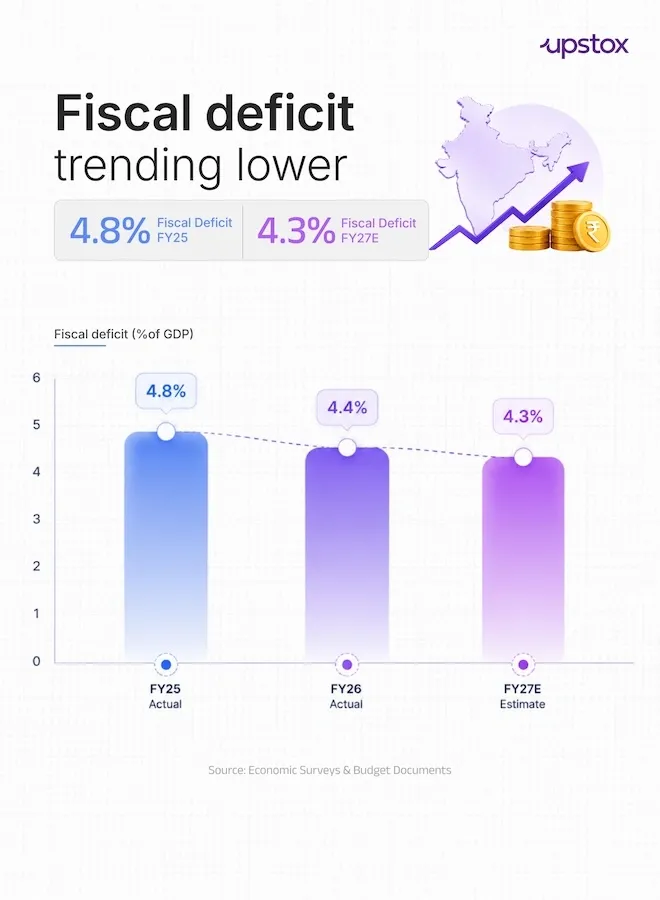
At present, India’s twin deficit – trade and fiscal – remain at manageable levels. This is a positive sign because countries with manageable deficits generally enjoy greater macroeconomic stability, lower currency risks and more policy flexibility during periods of uncertainty.
Facts over noise
Evidently, India’s structural growth story is intact. Consumption, too, continues to hold up. Credit demand remains healthy. Inflation is comfortably within the RBI's target range. And government finances remain broadly stable.
To be sure, no country is entirely immune to global shocks. A new geopolitical escalation, supply chain disruption, higher energy prices and climate crisis (El Nino) could play spoilsport and result in near-term volatility. It is prudent to monitor these risk factors.
But there’s a clear lesson that we can draw here: Always remember to shut out the noise and find shelter in cold hard facts. That’s where the real story is.
About The Author
Next Story

