Market News
NIFTY FMCG index hits fresh 52-week low; Here is why FMCG shares are falling
.jpeg)
3 min read | Updated on October 01, 2026, 11:45 IST


SUMMARY
Shares in FMCG space such as ITC, Hindustan Unilever, Godrej Consumer Products, Dabur and Tata Consumer Products are trading close to their respective 52-week lows.
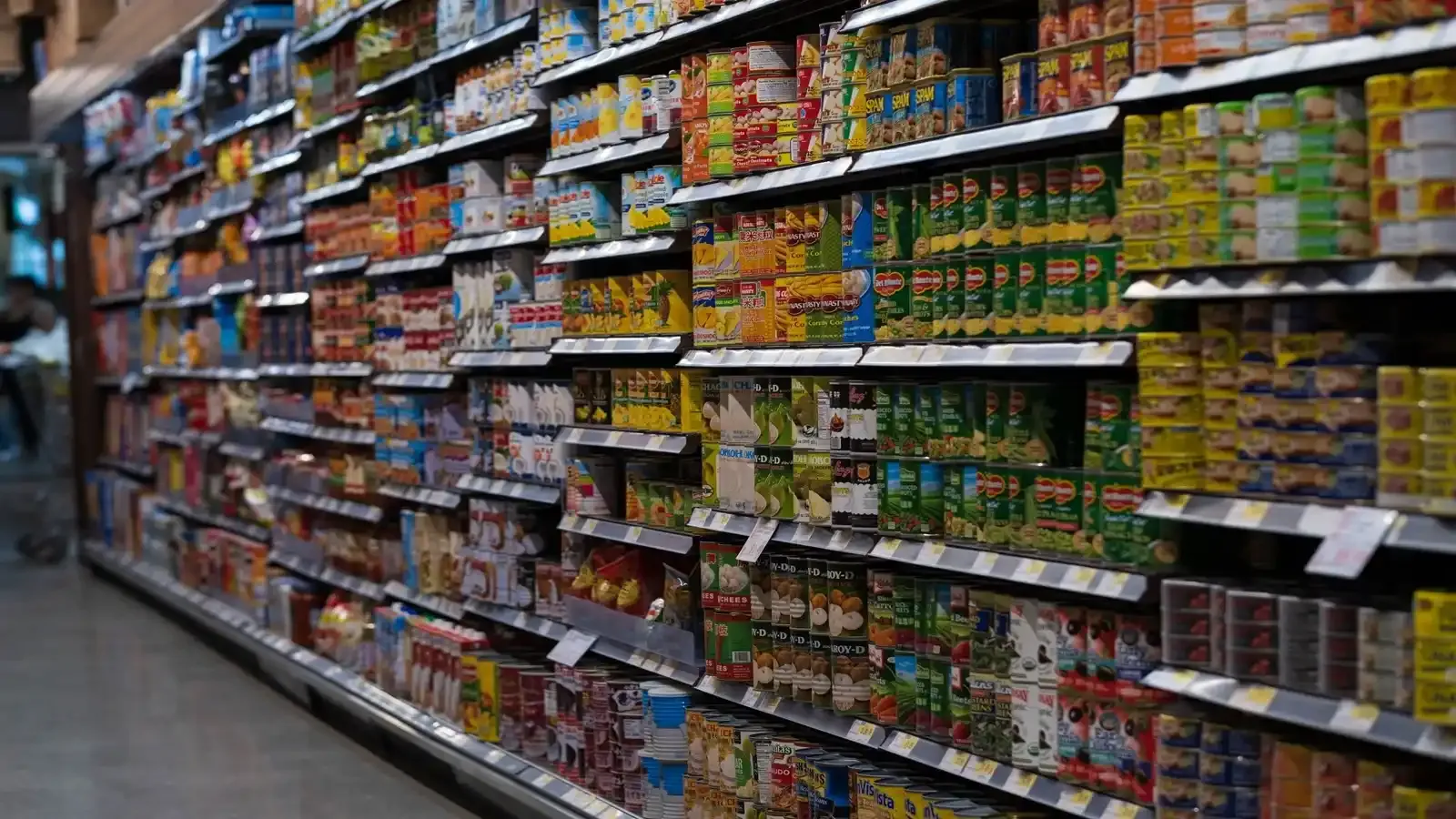
NIFTY FMCG index fell as much as 0.7% to hit a fresh 52-week low of 44,202. | Image: Shutterstock
Shares of fast-moving consumer goods (FMCG) company were witnessing selling pressure on Thursday, October 1, with the measure of FMCG companies on the National Stock Exchange (NSE), NIFTY FMCG index, falling as much as 0.7% to hit a fresh 52-week low of 44,202.
Major stocks in the FMCG space such as ITC, Hindustan Unilever, Godrej Consumer Products, Dabur and Tata Consumer Products are trading close to their respective 52-week lows.
FMCG shares are witnessing selling pressure due to concerns over weak consumption growth, rising input costs and margin pressures as rising inflation has prompted investors to reassess earnings prospects and valuations of the FMCG sector.
Meanwhile, uncertainty over the pace of rural demand recovery and weakness in the broader equity market have further weighed on investor sentiment, analysts noted.
A major concern for the sector is the uneven recovery in consumption, particularly in rural markets, which have traditionally been an important growth driver for FMCG companies. Despite expectations of a demand revival, subdued purchasing power and pressure on household budgets have limited volume growth across several product categories, analysts added.
Fourth lowest monsoon rains in 25 years
Reports suggested that India received fourth lowest rainfall during the monsoon season in 25 years, that also weighed on the sentiment.
FMCG companies are closely linked to the rural economy as agricultural income and rainfall patterns play a key role in determining consumption trends across the country. A weak monsoon can negatively impact farm output, deteriorate rural incomes and weaken the demand for everyday consumer products, which could negatively impact the earnings of FMCG companies, analysts said.
Apart from influencing demand, monsoons can also affect the cost of agricultural commodities used as raw materials in FMCG products.
India received 87.4% of its long period average (LPA) rainfall during the June-September period, making it the fourth-lowest monsoon season since 2001, the India Meteorological Department (IMD) said on Wednesday.
One of the main reasons for rainfall deficit this monsoon was the prevailing El Nino conditions over the tropical Pacific region which emerged in June, and have been strengthening since then, the IMD said in its monthly forecast.
Currently, strong El Nino conditions are prevailing and may persist till March 2027, it said.
The country this season recorded 759.4 mm rainfall as against normal rainfall of 868.6 mm during the monsoon period, a 13% deficit, the IMD said.
LPA refers to the rainfall recorded over a particular region for a given interval, such as a month or season, averaged over a long period of time, typically 30 to 50 years.
Rising input costs
Spiralling inflation amid rising crude and edible oil prices in international markets have also negatively impacted the FMCG companies as their imput costs have gone up drastically.
"Palm oil and other key inputs have moved higher, making it difficult for companies to take full price increases without risking volumes. That is putting pressure on gross margins even where revenues are holding up," Sanyam Dhoka, analyst at Front Wave Research told Upstox News.
"General trade and rural demand have been softer, while modern trade, e-commerce and premium categories continue to gain share. Companies with stronger brands and better distribution are therefore holding up much better than the broader sector," he added.
Related News


About The Author
Next Story