
Market News
ICICI Bank shares trade higher as lender raises overseas borrowing limit to $5 billion; what investors should know

4 min read | Updated on August 21, 2026, 13:03 IST


SUMMARY
ICICI Bank raised its overseas borrowing limit to $5 billion ahead of RBI's concessional foreign exchange swap window deadline. Here's what investors should know.
Stock list
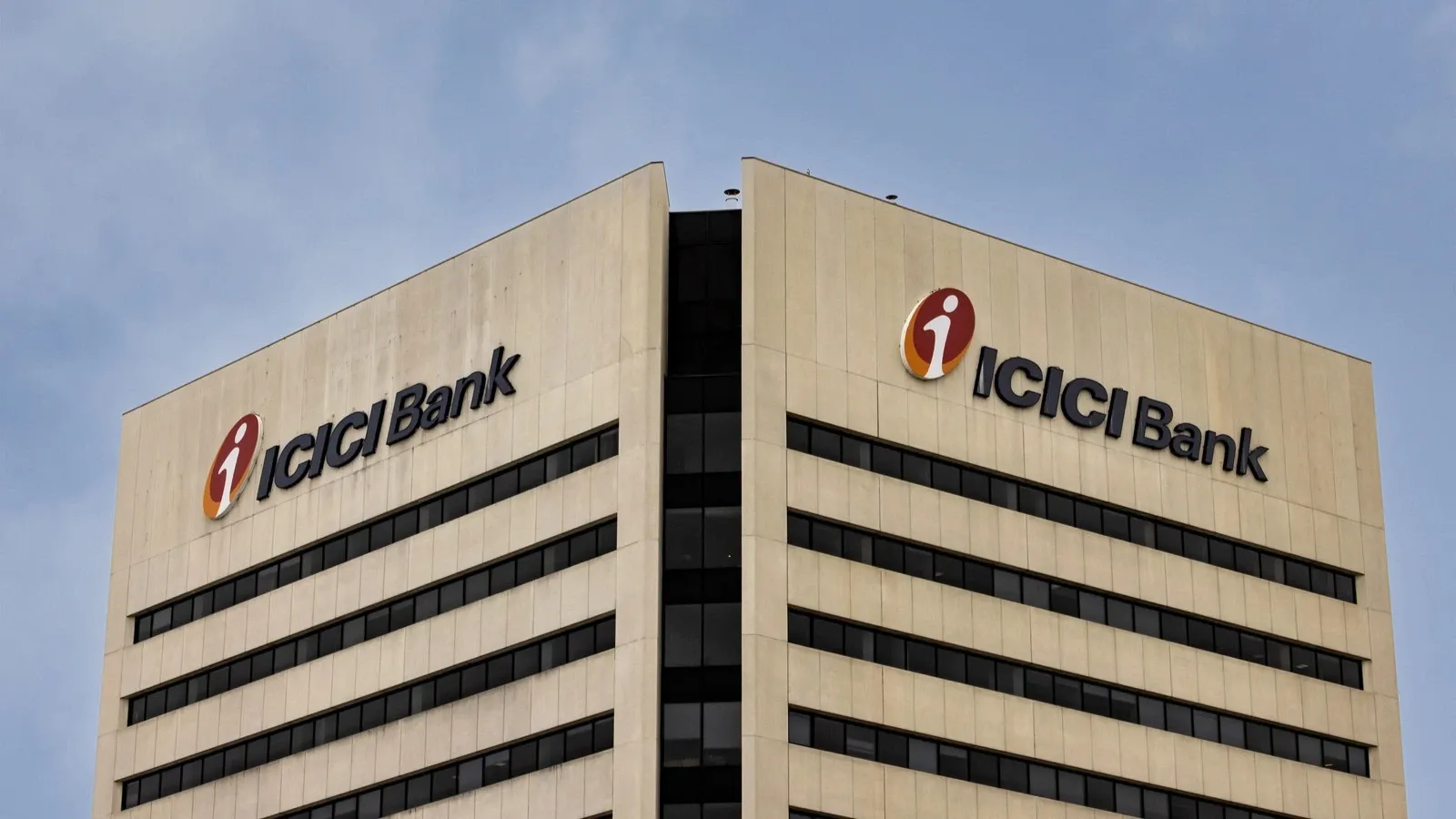
ICICI Bank announced its overseas borrowing limit update during the market hours on Friday, August 21. | Image: Shutterstock
India’s second-largest private sector institutional lender, ICICI Bank’s board of directors, after their meeting on Friday, August 21, approved increasing the overseas borrowing limit to $5 billion, according to an exchange filing.
NSE data showed that ICICI Bank shares were trading 0.42% higher at ₹1,417 apiece on Friday’s market, in comparison to ₹1,411.90 at the previous equity market close.
ICICI Bank informed the stock exchanges and investors that the bank’s board approved the move to increase its borrowing limit from the overseas market through the way of bonds, notes, or offshore certificates of deposit.
This increased limit of $5 billion is expected to provide ICICI Bank with higher flexibility and enable the lender to raise more funds from the foreign markets through several debt instruments subject to the necessary regulatory and required approvals.
With a massive diversified portfolio spanning across financial products and customers, the bank needs support from the overseas markets in terms of funds to potentially offer more debt products and accumulate funds at lower costs.
This comes ahead of the Reserve Bank of India’s concessional foreign exchange swap window, which closes on August 31, 2026. With a higher foreign borrowing limit, ICICI Bank will be able to get more funds at a discounted rate, bringing in US dollars before the deadline.
The board’s move to double the overseas borrowing limit to $5 billion comes after the company approved an earlier limit of $2.5 billion on July 18, 2026, following ICICI Bank’s quarterly board meeting for Q1 results FY27.
How did ICICI Bank perform in Q1 results?
In the Q1 results for FY27, ICICI Bank recorded a 16% growth in net profit to ₹14,804 crore, with key support from rising interest income and asset quality improvement, in comparison to ₹12,768 crore in the corresponding period a year earlier.
The lender’s net interest income (NII) advanced 6.3% to ₹45,670 crore in the April to June quarter of FY27, compared year-on-year (YoY) with ₹42,964 crore in the same period a year earlier.
The bank also reduced its provision for bad loans by 30% to ₹1,260.45 crore in the period under review, from ₹1,814 crore in the same period a year earlier.
An institutional lender generally increases or decreases their provision reserved for bad loans depending on their estimates of non-performing assets (NPAs) in a particular period.
In the Q1 results, ICICI Bank’s NPAs declined 29 basis points to 1.38% in the first quarter from 1.67% in the same period a year ago. NPAs are loans which have already been given out to the borrower, and upon failing repayment for 90 days, the allocations are classified as bad loans.
On the operational front, the revenues collected from retail banking, wholesale banking, treasury operations, and other sources have all witnessed healthy growth in the period under review.
How have ICICI Bank shares performed?
ICICI Bank shares have delivered more than 108% returns to investors in the last five years, and over 48% gains in the last three years, according to NSE data. However, the institutional lender has lost 2% of its value in the past one-year period.
So far in the calendar year 2026, the company’s stock has risen around 6%, but was down more than 3% in the last one-month period. ICICI Bank shares were trading flat in the last five market sessions on the Indian stock market.
Shares of ICICI Bank surged to their 52-week high of ₹1,480 apiece on July 20, 2026, while the 52-week low was at ₹1,187.60 on April 2, 2026. The company’s market capitalisation (m-cap) was at more than ₹10.16 lakh crore as of the trading session on Friday, August 21, 2026.
Related News


About The Author
Next Story

