Market News
BEL, HAL, Bharat Dynamics: Defence stocks rally as DAC clears ₹52,000 crore defence acquisition proposals

4 min read | Updated on July 06, 2026, 09:26 IST


SUMMARY
The approvals include next-generation air defence systems, anti-tank guided missiles, anti-drone electronic warfare systems, loitering munitions, naval unmanned aerial systems, and high-altitude surveillance platforms, according to a media statement released by the Ministry of Defence.
Stock list
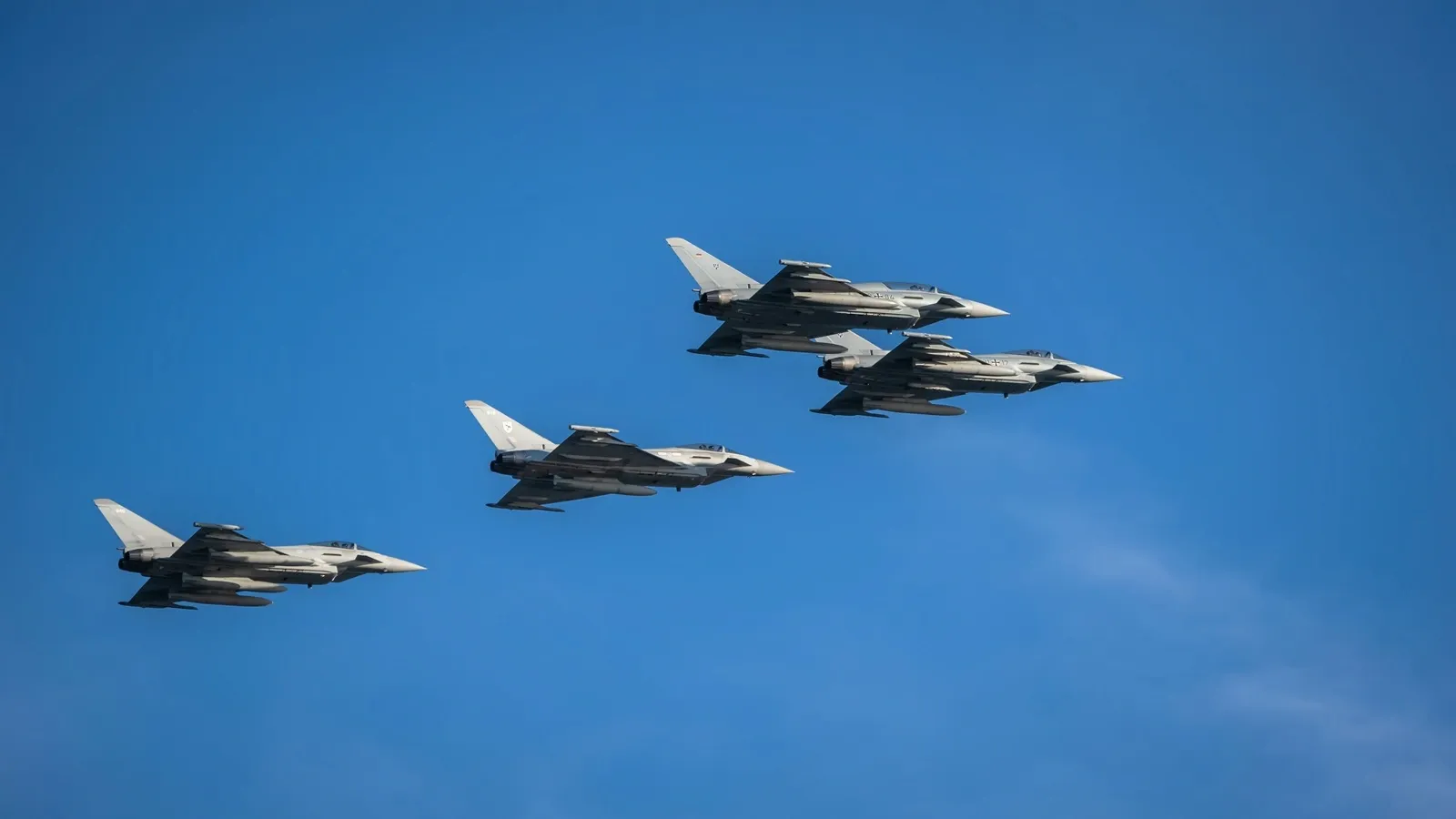
Acceptance of Necessity (AoN) is the government's in-principle approval to procure a defence system or equipment. Representative image. Source: Unsplash
Defence stocks were trading higher on Monday, July 6, as the Defence Acquisition Council (DAC) on Friday accorded Acceptance of Necessity (AoN) for capital acquisition proposals worth ₹52,000 crore, clearing approvals for a range of weapon systems and platforms to enhance the operational capabilities of the Indian armed forces.
DAC is the highest decision-making body on defence procurements.
In the early trade, the Nifty India Defence index was trading over 1.21% higher at 9,689.95 levels, with 17 components advancing and two declining.
Bharat Electronics (BEL) shares were trading over 2% higher at ₹427.25 apiece on the NSE, while Bharat Dynamics was up nearly 3% at ₹1,426.10. Hindustan Aeronautics (HAL) shares were also trading over 1% higher at ₹4,478.70 apiece on the NSE.
Solar Industries India Ltd was up nearly 1.5% at ₹18,776.
What is Acceptance of Necessity (AON)
Acceptance of Necessity (AoN) is the government's in-principle approval to procure a defence system or equipment. Granted by the Defence Acquisition Council (DAC), it marks the first stage of the procurement process and confirms that the armed forces require the proposed equipment. However, an AoN is not a purchase order. The actual contract is awarded only after the tendering, technical evaluation and commercial negotiation stages are completed.
Details you need to know
The approvals include next-generation air defence systems, anti-tank guided missiles, anti-drone electronic warfare systems, loitering munitions, naval unmanned aerial systems, and high-altitude surveillance platforms, according to a media statement released by the Ministry of Defence.
The DAC, under the chairmanship of Defence Minister Rajnath Singh, accorded the in-principle administrative approvals required before the procurement process moves to the tender and contract stages.
Focus on strengthening air defence
The DAC has approved the procurement of a range of advanced weapon systems for the Indian Army, with a strong emphasis on enhancing the country's air defence capabilities.
The approvals include the Akash Tarang anti-drone electronic warfare system, man-portable anti-tank guided missiles (MPATGM), medium-range surface-to-air missile (MRSAM) systems, very short-range air defence systems (V-SHORADS), active protection systems (APS) for tanks, and jet-based kamikaze drones.
The MPATGM will bolster the Army's ability to engage enemy tanks and armoured vehicles, while the MRSAM and V-SHORADS are designed to strengthen India's layered air defence by countering aircraft, helicopters, drones and other aerial threats.
The APS will improve the survivability of armoured vehicles by intercepting incoming anti-tank munitions, while jet-powered kamikaze drones are expected to provide precision strike capabilities at a lower cost.
For the Indian Navy, the DAC cleared proposals for multi-influence ground mines, naval shipborne unmanned aerial systems (UAS) and the establishment of a Land-Based Testing Facility (LBTF).
The facility, which replicates a warship's onboard power, propulsion and combat systems, will enable the testing and development of next-generation electric propulsion technologies within India, reducing reliance on overseas infrastructure and supporting the country's indigenous warship development programme.
Stocks in focus
Defence players such as Bharat Electronics (BEL), Bharat Dynamics (BDL), Hindustan Aeronautics (HAL), Paras Defence & Space Technologies, Data Patterns (India), Zen Technologies, ideaForge Technology, Solar Industries India, Astra Microwave Products and MTAR Technologies are likely to be in focus following the development.
The approvals span a wide range of indigenous weapon systems, including next-generation air defence systems, anti-tank guided missiles, anti-drone electronic warfare systems, loitering munitions, naval unmanned aerial systems and high-altitude surveillance platforms.
What shareholders need to know
These companies are among the key listed players with capabilities aligned to the approved programmes, note market experts.
BEL and Data Patterns are major suppliers of defence electronics, radars, electronic warfare and surveillance systems, while Bharat Dynamics is a leading missile manufacturer with exposure to anti-tank and surface-to-air missile programmes.
Paras Defence, Zen Technologies and ideaForge have established businesses in anti-drone technologies, defence electronics and unmanned aerial systems, making them potential beneficiaries of future procurement opportunities.
Meanwhile, Solar Industries has expanded into defence explosives and loitering munitions, Astra Microwave supplies RF and microwave systems used in radars and missiles, and MTAR Technologies manufactures precision-engineered components for missile and aerospace programmes.
HAL could also remain on investors' radar due to its role in indigenous aerospace and surveillance platforms.
Related News


About The Author
Next Story