
Upstox Originals
Unilever’s mixed fortunes on the same day hold a valuable lesson for investors

3 min read | Updated on July 28, 2026, 20:56 IST


SUMMARY
On July 28, 2026, Hindustan Unilever's shares fell nearly 6% while the shares of its UK-listed parent, Unilever plc, jumped over 6% after both companies declared their quarterly results. While both companies posted growth, the market rewarded and punished different things. One missed on margin, and the other beat on volume. It's a lesson in why "revenue went up" is never the whole story.
Stock list
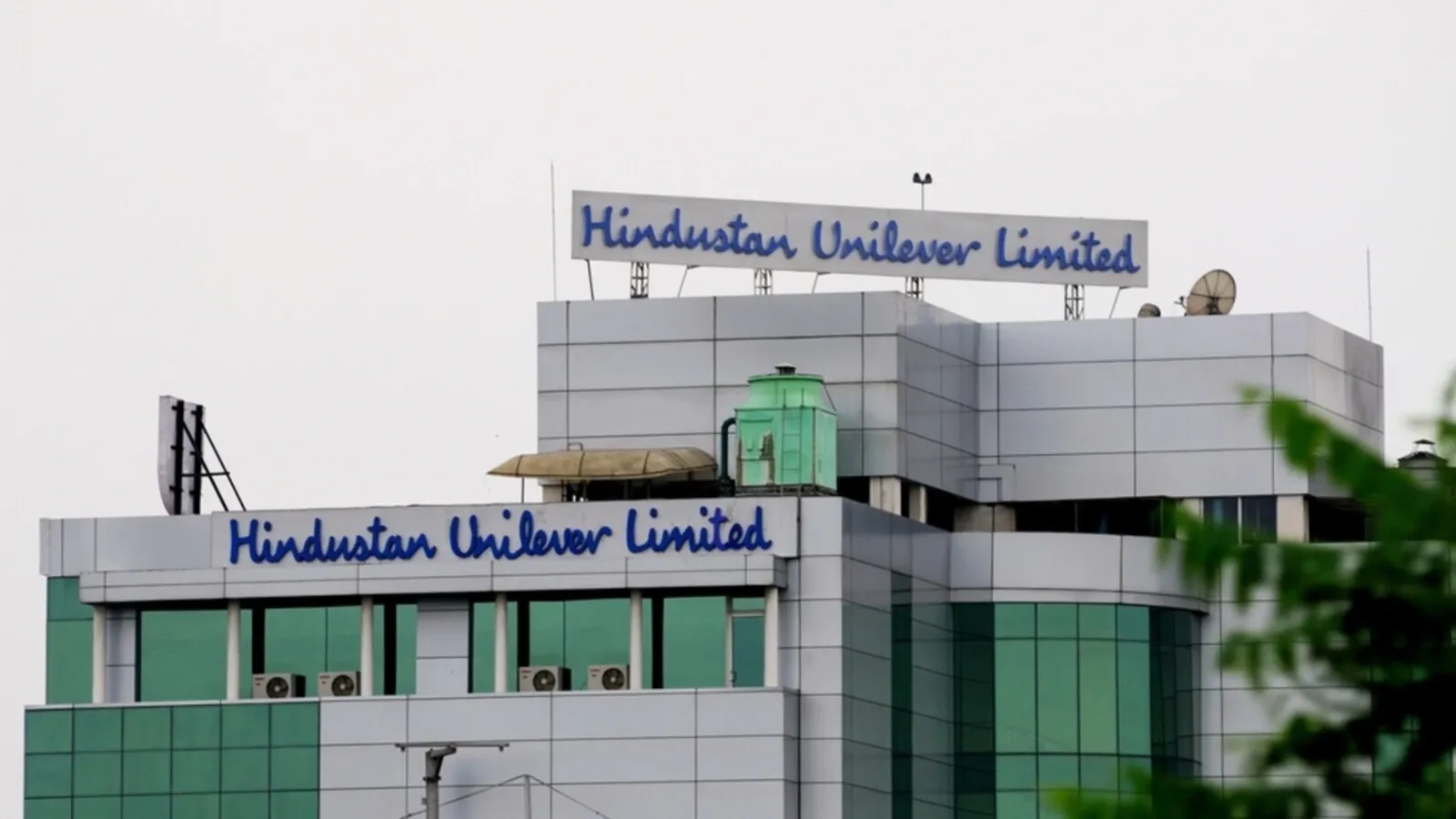
HUL’s share price corrected by ~6% today, while Unilever’s price increased by ~6%. | Image: Shutterstock
Same brand. Same quarter's results, released on the same day. Yet on July 28, 2026, Hindustan Unilever's shares fell nearly 6% on the NSE, while Unilever plc's shares jumped over 6% on the London Stock Exchange. Two parts of one business, moved in completely opposite directions within hours of each other.
Results day scoreboard
Here is how the two stocks actually moved once results were announced:
| Metric | Hindustan Unilever (NSE) | Unilever plc (LSE) |
|---|---|---|
| Previous close | ₹2,174 | ~4,629 GBX |
| Day's change (approx) | -6.42% | +6.30%* |
| What triggered it | Profit fell despite 10% revenue growth | Sales and volume beat forecasts by a wide margin |
Source: Investing.com, News articles; * LSE was open at the time of writing this article. GBX stands for pence sterling and equals 1/100th of a pound (1 GBX = £0.01)
HUL: Sales rose 10%, but costs rose faster
Hindustan Unilever's Q1 FY27 (April–June 2026) results were not weak on the surface. Standalone revenue grew 10% YoY to ₹16,514 crore, backed by 5% volume growth — a solid number for India's largest FMCG company.
The trouble sat lower in the income statement. Standalone net profit fell 4% to ₹2,631 crore, and the core operating margin slipped 40 basis points to 22.8%.
HUL said higher raw material costs and expenses linked partly to the war in the Middle East ate into what the extra sales should otherwise have delivered. Investors had priced in steady margins. When margins shrank instead, the stock fell within minutes of the results being announced.
Unilever: The best-volume quarter in over a decade
For the same April–June quarter, Unilever plc told a different story. Underlying sales grew 5.8%, comfortably ahead of the 4.14% analysts had forecast, while volumes rose 5.5% against an expected 2.29%. Revenue came in at €13.05 billion, beating the €12.87 billion estimate.
Chief executive Fernando Fernandez called it the best-volume quarter at Unilever in more than a decade. The company also raised its full-year outlook, now expecting a modest improvement in operating margin from the 20% it reported in 2025. Where HUL missed on margin, Unilever plc beat on volume — and volume, not revenue alone, was what the market had been waiting to see.
What this divergence teaches retail investors
Unilever holds roughly 62% of Hindustan Unilever, making HUL a controlled subsidiary. But, HUL's fortunes are tied overwhelmingly to the Indian market and Indian input costs. Unilever plc's results reflect a far wider basket of countries, brands and currencies.
What it does show is that markets don't simply reward sales growth. They compare results against what was already expected, and they weigh where growth came from — volume, price or cost control — very differently. HUL’s revenue grew faster than Unilever’s, and still its shares fell. Understanding that gap matters more than memorising any single quarter's numbers.
About The Author
Next Story

