
Upstox Originals
The rupee's second chance: Oil-for-rupees gets another shot

5 min read | Updated on April 29, 2026, 18:55 IST


SUMMARY
India has long been working to reduce its oil dependence. It has tried two things: diversifying supply chains and importing oil in Indian rupees. The former has met with success, but the latter not so much. The UAE’s recent exit from OPEC creates a rare opening. While this does not guarantee success, it marks one of the clearest chances yet for India to revive the rupee‑settlement idea and chip away at its dollar dependence.
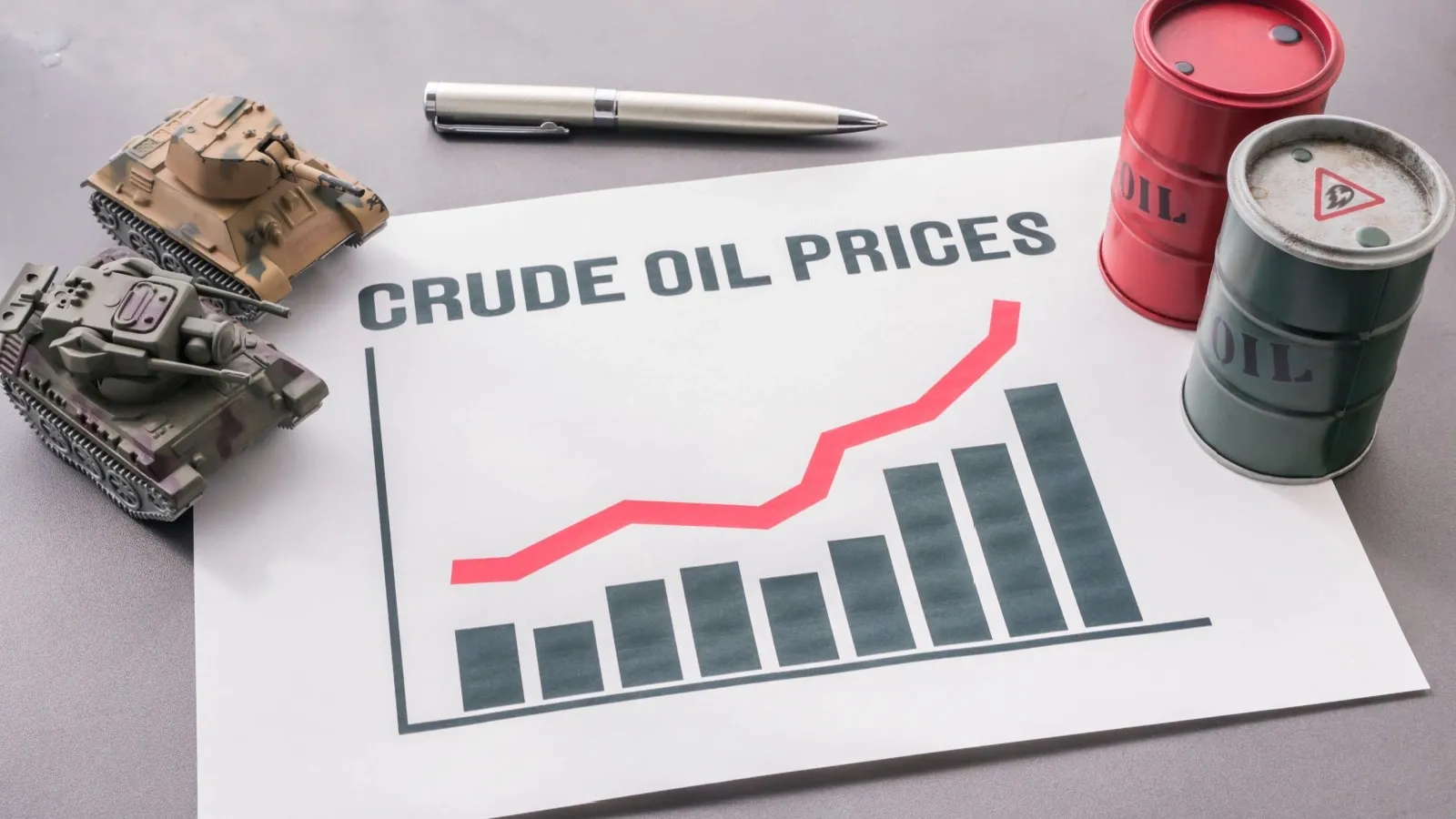
The UAE’s exit from OPEC could give India’s oil-for-rupees initiative another shot. | Image: Shutterstock
Every time oil prices rise, India feels it as it imports nearly 90% of its oil. India has been trying to change that for years, but with limited success. But last week, something happened that could change this. The UAE walked out of OPEC after nearly 60 years.
Why could this matter to India?
The fact that India spends billions of dollars to purchase oil is no secret. That money goes out in dollars, which means India constantly needs dollars, which means the rupee stays under pressure. If India could pay for even a fraction of its oil in rupees, it would ease that pressure.
In July 2022, the RBI had created a formal framework to make this happen. The "oil-for-rupee" program was an initiative by India to settle payments for imported crude oil in Indian rupees (INR).
Agreements were signed with over 18 countries, including Russia and the UAE. The effort was strongest with Russia, but met with limited success. For one, Russia didn't know what to do with billions of rupees sitting in Indian bank accounts. The rupee is not freely convertible — meaning Russia could not easily take rupees and swap them into euros or dollars.
With the UAE, on August 18, 2023, Indian Oil Corporation paid for 1 million barrels of crude from ADNOC — Abu Dhabi's state oil company — in INR. A local currency settlement (LCS) system was set up to make such transactions easier. However, the momentum fizzled out here as well. There was one simple reason: oil exporters, given the choice, preferred dollars over rupees.
Could the UAE’s OPEC exit change things?
The UAE is India's fourth-largest crude supplier. As long as the UAE was part of the OPEC, it had to play by collective rules — with production quotas and pricing decided as a collective. Outside the OPEC, the UAE can theoretically produce and price its oil as it chooses and structure trade deals on its own terms.
Should India try again?
The reason rupee payments failed with Russia was the deployment problem. Russia had nowhere useful to put rupees.
To that extent, the UAE is different. It already has massive capital sitting in India across equities, infrastructure, and government bonds. Rupees earned from oil sales wouldn't need to sit idle — they could flow directly into those existing investment pipelines.
The RBI has been building exactly these pathways, allowing foreign holders of rupees to invest in Indian financial markets.
The UAE, now freed from OPEC quotas, is looking for guaranteed, long-term buyers for its oil. India, looking to reduce its dollar dependency, needs willing sellers.
With the LCS framework in place, UPI can be made operational in the UAE quickly. Even the legal and banking architecture for rupee settlement exists.
Is it that easy?
No. The rupee still isn't fully convertible. India's trade deficit with the UAE means the currency imbalance won't disappear. Let’s take a look at these in detail
Rupee’s convertibility
When ADNOC sells oil to India and receives rupees, it can't simply take that money internationally. Indian regulations restrict how foreign entities move rupees out of the country or convert them into other currencies. So those rupees largely have to stay parked in India. For ADNOC, which has dollar-denominated operations, contractors and expenses across the world, receiving billions worth of rupees it can't freely deploy is not a payment — it's a constraint. Yes, the UAE has some investments here in India, but still, their payments being stuck in India is a critical challenge.
Trade imbalance
India has a trade deficit with the UAE of roughly ~$60 billion (India basically imports a lot more than it exports). Now imagine settling all of this in rupees. The UAE would keep receiving rupees but would have very little to spend them on, because it doesn't buy nearly as much from India as India buys from it. The rupees pile up. And a pile of money you can't easily spend isn't really money — it's a problem. This is the core reason oil exporters prefer dollars. Everyone needs dollars. Not everyone needs rupees.
So, what does all this mean?
The road ahead is not easy. Besides the above-mentioned reasons, other geopolitical players would act to stop the INR’s increasing global stature. But this development reminds one of the proverb: ‘make hay while the sun shines’. The recent development is a renewed opportunity for India. The issues highlighted above don't have easy solutions, but require a concerted effort on the part of the government and regulators of both countries to make it successful.
India has tried this before and stumbled. The UAE's OPEC exit is not a guarantee. But it is the clearest opening India has had to dust off the oil-for-rupees dream and take another step towards its success.
About The Author
Next Story

