
Upstox Originals
The hidden costs of data centers that no one is talking about

6 min read | Updated on June 01, 2026, 14:45 IST


SUMMARY
Data centres are the backbone of the AI boom—but their true cost is only beginning to surface. Behind the headlines of billion-dollar investments lie growing pressures on water, electricity and local communities. As resistance builds and regulations tighten, the question for investors is shifting. The opportunity may not lie in the data centres themselves—but in the ecosystem powering them. And that changes everything.
Stock list
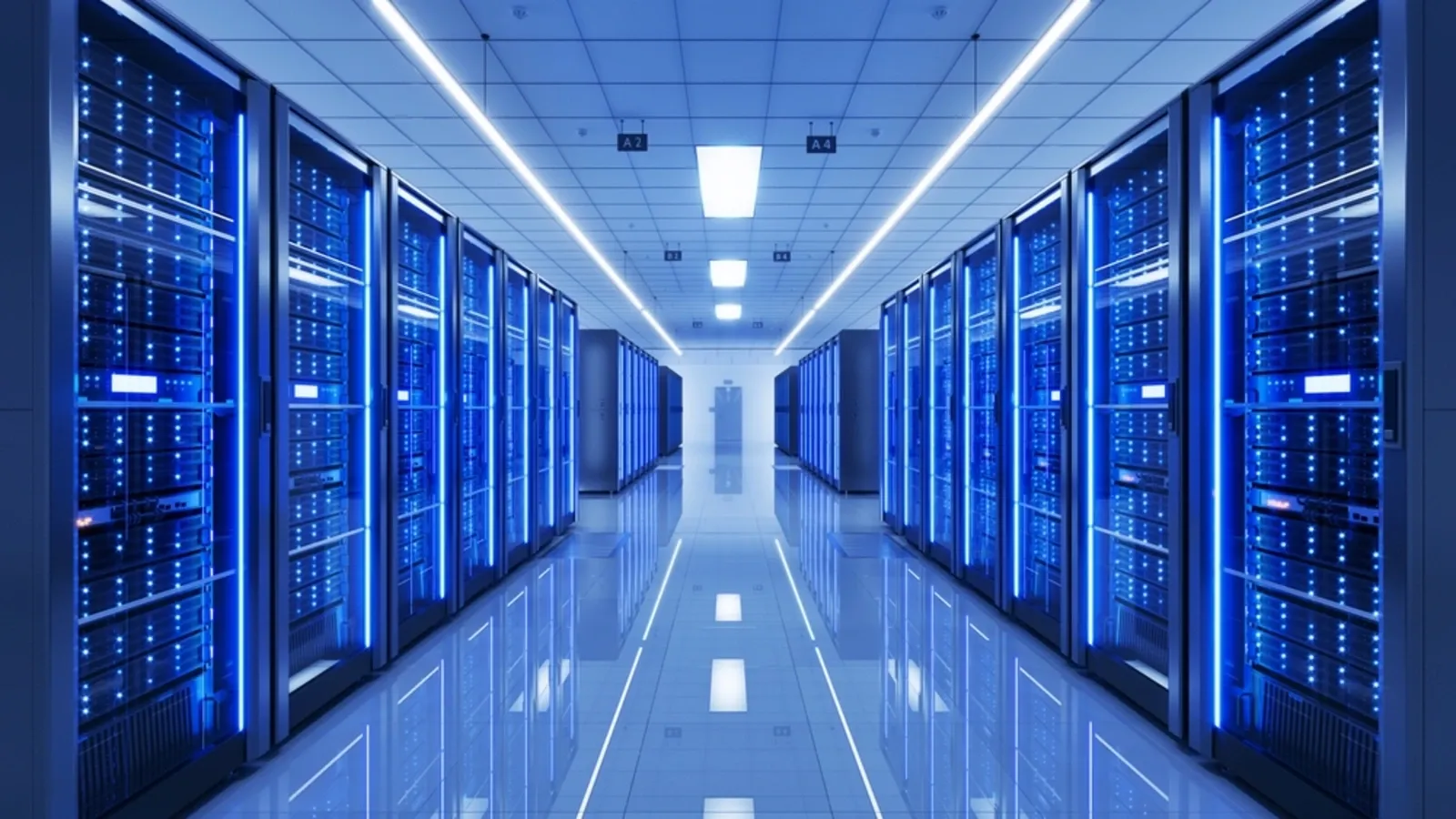
A large data centre can consume up to 18 million litres of water every single day | Image: Shutterstock
Imagine living next to a neighbour who never sleeps.
The lights are always on. There's a low, constant hum—day and night, weekends, holidays. You can't quite drown it out. And then, one month, your electricity bill goes up. Not because you used more power, but because your neighbour is using so much of it that the whole street is paying more.
That neighbour is a data centre. And communities across the world are beginning to ask: who exactly signed off on this deal?
Investors, meanwhile, are asking a different question—one worth spending some time on.
Is the data centre itself the best way to profit from the AI boom? Or is the smarter money on the companies keeping the lights on?
The gold rush
The numbers behind the data centre boom are staggering. Global investment nearly doubled between 2022 and 2024, reaching half a trillion dollars in a single year. In India, committed investments since 2019 have crossed $95 billion, with $30 billion pledged in 2025 alone.
Adani Enterprises announced a $100 billion plan to build AI-ready data centres across India by 2035. Microsoft committed $17.5 billion to Indian digital infrastructure. Google pledged $6 billion for its largest data centre in Asia—right here in India.
Problem 1: The thirst
What most investor presentations skip over: a large data centre can consume up to five million gallons (~18 million litres) of water every single day. The servers generate enormous heat. Cooling them means using water, lots of it. Google's own figures show its global water consumption jumped 42% in just three years.
In India, data centres already consume an estimated 150 billion litres of water a year. That is expected to more than double by 2030—in a country where water scarcity is a lived reality for hundreds of millions of people.
This is not an abstract ESG concern. It is an operational risk.
Problem 2: The noise
Let’s take a look at what is happening in the US.
Data centres never switch off. The cooling systems, the fans, the servers—all of them run 24 hours a day, every day. For people living nearby, the constant low hum is not a minor inconvenience. In Arizona state, residents said they couldn't sleep. They tried noise-cancelling headphones. Nothing worked.
After nearly a decade of complaints, the city council there voted unanimously against a new proposed data centre in 2025. Similar stories are playing out across the US—and the financial impact is becoming impossible to ignore.
In 2025, in the US, more than $156 billion worth of data centre projects were blocked or delayed due to community opposition and legal challenges. For investors, project delays are not a soft issue. They hit timelines, raise costs and erode returns. India is not immune. As data centre campuses grow—Mumbai alone holds about 40% of India's current capacity—questions around noise, local resources and community impact will only grow louder.
Problem 3: The electricity bill
Data centres consume huge amounts of electricity and that requirement is only going to increase. The cost of this appetite is beginning to reach ordinary people. A Carnegie Mellon University study estimated that data centres could raise average US electricity bills by 8% by 2030, and by over 25% in the heaviest-demand regions.
In India, data centres today account for about 0.5% of national electricity consumption. That will more than double by 2030.
Problem 4: Building regulatory pressures
Countries are moving to contain this impact. In the EU, for example, data centres above a certain size must now report on sustainability metrics, and the EU's target is to have carbon-neutral data centres by 2030. India's own Digital Personal Data Protection Act is already shaping where and how data centres are built. The Indian government mandates that critical personal and financial data of Indian citizens must be stored physically within India's borders. This legal mandate is forcing global tech giants to build campuses here rather than serving India remotely.
For investors in data centre operators, this means rising compliance costs and the very real risk that older, less efficient facilities become difficult to sell or refinance.
So, should you stay away from data centres?
As of now, India does not yet have many listed data centre companies. The major players—CtrlS, Yotta, Nxtra—are either private or accessible only through their parent companies. Which opens an interesting door.
Think about what a hyperscale data centre actually needs: massive, uninterrupted power. Transmission infrastructure to deliver it. Land, cooling systems, cabling and construction. In India, the companies providing these are publicly listed, accessible and increasingly in demand—regardless of which specific data centre project wins or loses.
Please note the table below is not an exhaustive list. It is a mere representation of potential ideas. These should not be constructed as recommendations, rather as a starting point.
India's listed infrastructure plays — companies supporting the boom
| Company | Why it matters for this theme |
|---|---|
| Power Grid Corp | Runs 45% of India's national transmission network |
| Adani Green Energy | Powering Adani's own 5 GW data centre plan and supplying renewable electricity directly to Google and Microsoft campuses across India |
| Tata Power | 7,000+ MW of renewable capacity |
| NTPC / NTPC Green | India's largest power company. Aggressively expanding renewables—a key supplier to the digital infrastructure sector. |
| Torrent Power | Quality private utility in Ahmedabad, Surat and Agra |
| Tata Communications | Network and data centre infrastructure |
| Bharti Airtel | Parent of Nxtra Data—one of India's largest data centre operators (Nxtra itself is unlisted) |
| Cummins India / ABB India | Providers of massive heavy-duty backup diesel generators and power grid switchgears required for 24/7 uptime |
| Voltas / Blue Star | Industrial HVAC and liquid cooling solution providers that data centres must hire to tackle the intense heat generation |
| E2E Network | Acts as a homegrown cloud provider offering the high-performance GPU and AI computing power |
| Anant Raj | Builds the physical real estate and data center infrastructure |
Sources: Company disclosures; CEEW (2026); Wright Research (2026).
The bottom line
Data centres are not going away. The structural demand from AI, cloud computing, and India's own digital growth is real and continues to build. Nothing here suggests otherwise.
But the investment case is more nuanced than the announcements make it sound. Water, noise, and electricity are not just talking points—they are project risks with real financial consequences.
The data centre boom is real. The question is not whether to participate—it is how. And sometimes, the most reliable returns in a gold rush do not come from the mine itself.
About The Author
Next Story

