
Market News
Vedanta demerger update: Oil & gas arm renamed Vedanta Oil and Gas from Malco Energy

4 min read | Updated on June 15, 2026, 09:44 IST


SUMMARY
On Tuesday, June 9, Vedanta, in its filing to stock exchanges, said that the Registrar of Companies under the Ministry of Corporate Affairs (MCA) has approved the change in name of its oil & gas business from “Malco Energy Limited” to “Vedanta Oil and Gas Limited”, with effect from June 9, 2026.
Stock list
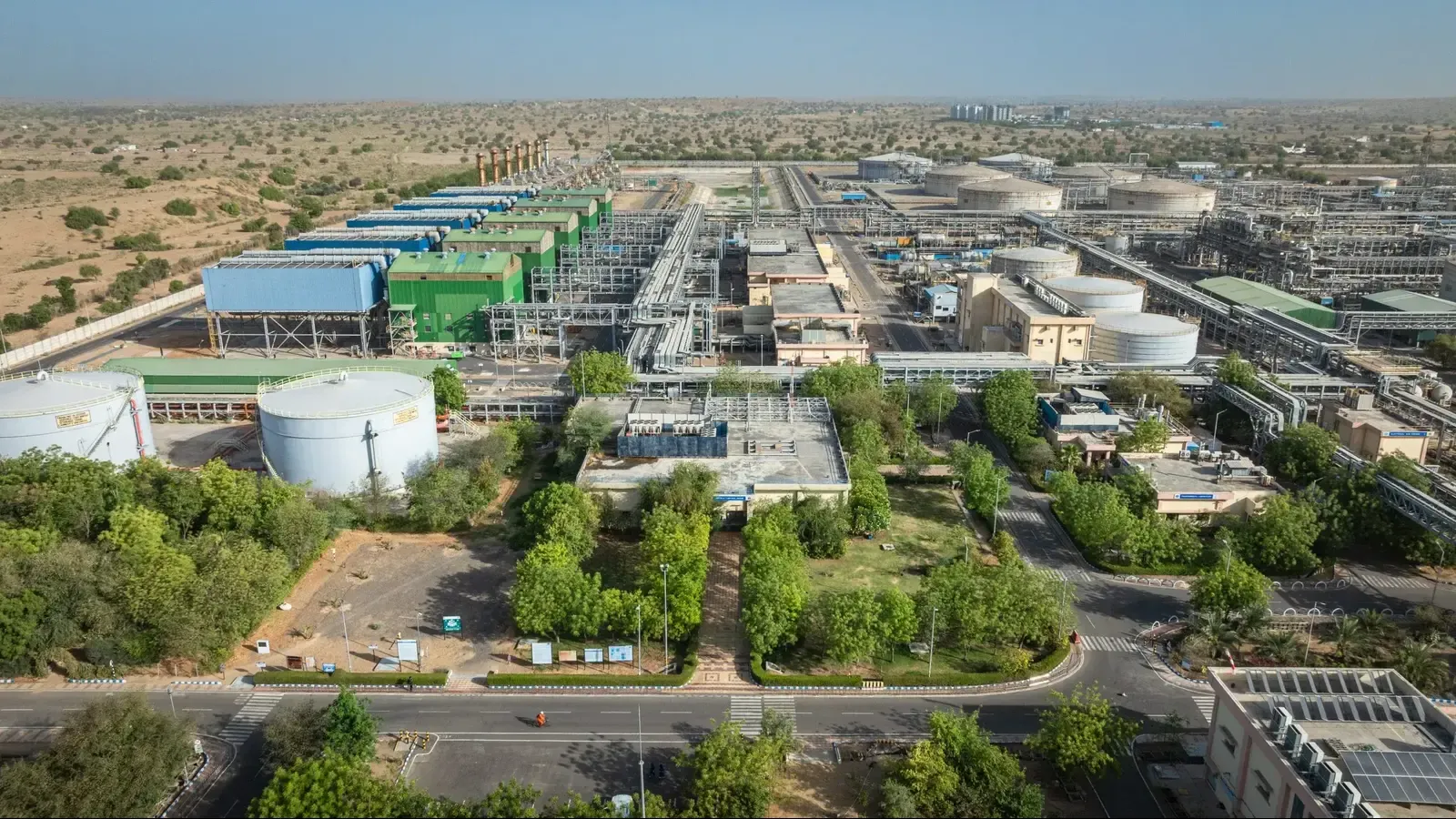
Vedanta Ltd shares have been trading ex-demerger since April 30, 2026, following a special trading session conducted to discover the price of the residual listed entity after the proposed spin-off. Image: Vedanta https://www.vedantaoilandgas.com/
The deadline for the listing of four demerged entities of Vedanta Ltd is approaching, and the group is taking the necessary steps ahead of the listing.
On Tuesday, June 9, Vedanta, in its filing to stock exchanges, said that the Registrar of Companies under the Ministry of Corporate Affairs (MCA) has approved the change in name of its oil & gas business from “Malco Energy Limited” to “Vedanta Oil and Gas Limited”, with effect from June 9, 2026.
“Accordingly, the name of the Company hereby stands changed to ‘Vedanta Oil and Gas Limited’ with effect from June 9, 2026,” the filing added.
About Vedanta Oil & Gas
Vedanta Oil & Gas is the oil and gas exploration and production arm of the Vedanta Group, operating in India under the “Cairn” brand. The company is engaged in hydrocarbon exploration, development, and production, with interests in 44 blocks covering over 47,000 sq km of acreage across the country.
Its reported resource base includes gross 2P (proved plus probable) and 2C (contingent) resources of around 1.4 billion barrels of oil equivalent. The company’s producing assets are located across major hydrocarbon basins, including Rajasthan, Andhra Pradesh, Gujarat, and Assam, and are supported by exploration, subsurface evaluation, and engineering capabilities.
Vedanta demerger: A quick look
Vedanta Ltd shares have been trading ex-demerger since April 30, 2026, following a special trading session conducted to discover the price of the residual listed entity after the proposed spin-off.
Under the demerger scheme, Vedanta’s businesses are being split into five independent companies (including the existing one), and the parent stock now represents only the residual business value.
According to the exchange filing, under the composite scheme of arrangement, shareholders of Vedanta received equity shares in four businesses in a 1:1 ratio.
Post demerger, the Vedanta group will comprise five standalone entities, each focused on a specific business vertical: Vedanta (Residual Entity), Vedanta Aluminium, Vedanta Oil & Gas, Vedanta Power, and Vedanta Iron and Steel.
What Vedanta Ltd holds now after the demerger
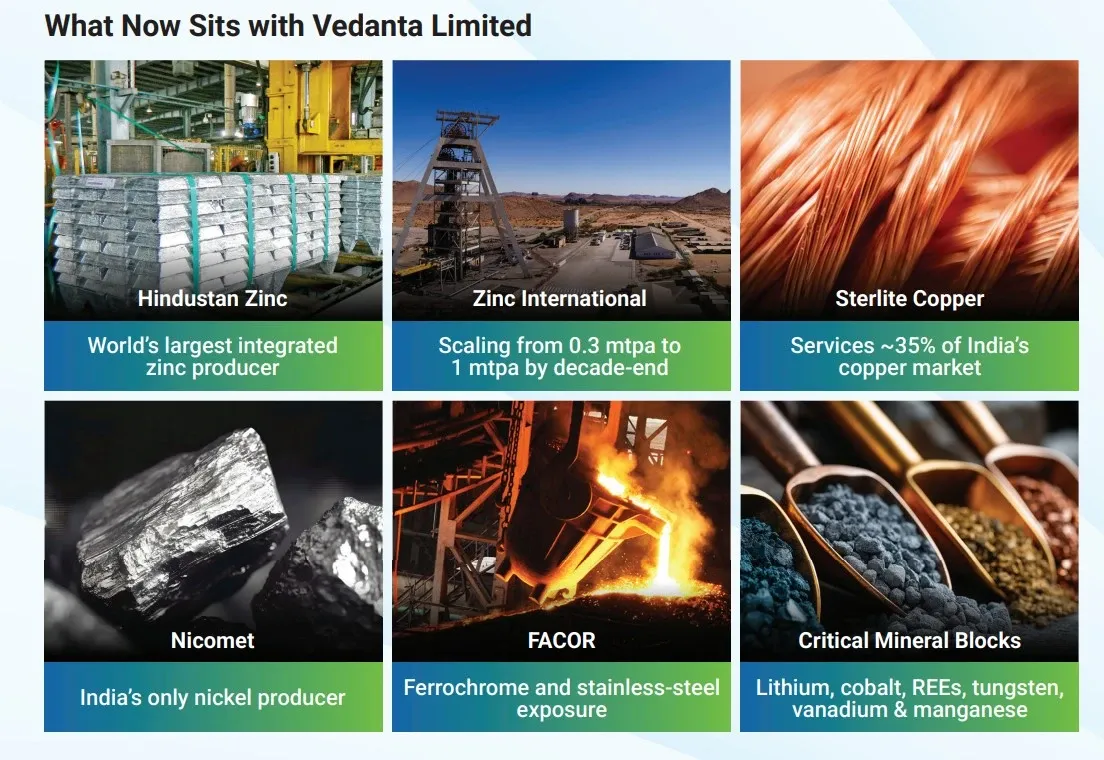
Following its five-way restructuring, the residual Vedanta Limited continues to function as the parent company, primarily housing the group’s zinc and copper businesses. Its key holdings include a controlling stake in Hindustan Zinc Limited, along with Zinc International, ferro-chrome assets, and other incubator businesses.
In its business update last week, Vedanta said that the post-demerger Vedanta Limited is emerging as a focused critical minerals and strategic metals company, retaining some of the group’s most strategically important assets across zinc, silver, copper, ferrochrome, nickel, and critical minerals.
Industrial metals outlook
In its latest business update, "Insights By Vedanta", Vedanta said that following the West Asia conflict, global markets are once again confronting the impact of energy-led inflation.
Vedanta said that the ripple effects are now becoming visible across manufacturing supply chains, chemicals, industrial inputs, transport, and infrastructure-linked sectors, reinforcing how closely industrial growth remains tied to commodity and energy markets.
However, even amid the near-term volatility, long-term industrial themes remain intact, Vedanta said.
"Infrastructure expansion, manufacturing growth, electrification, renewable energy deployment, and energy-transition investments continue sustaining structural demand across industrial metals and critical minerals," the company said.
- Zinc remains linked to galvanised steel and infrastructure buildout;
- Copper demand continues to be driven by electrification and power networks;
- Silver demand remains supported by solar and electronics manufacturing;
- Critical minerals are increasingly central to energy storage and advanced manufacturing supply chains.
Related News
About The Author
Next Story

