Market News
ONGC, Oil India shares surge over 7% as Centre revises royalty rates for crude oil, natural gas; details here

4 min read | Updated on May 12, 2026, 09:30 IST


SUMMARY
ONGC share price: The revised royalty rates and methodologies were notified by the Ministry of Petroleum and Natural Gas on May 8 as part of broader reforms aimed at creating a more stable and investor-friendly framework for India’s upstream oil and gas sector.

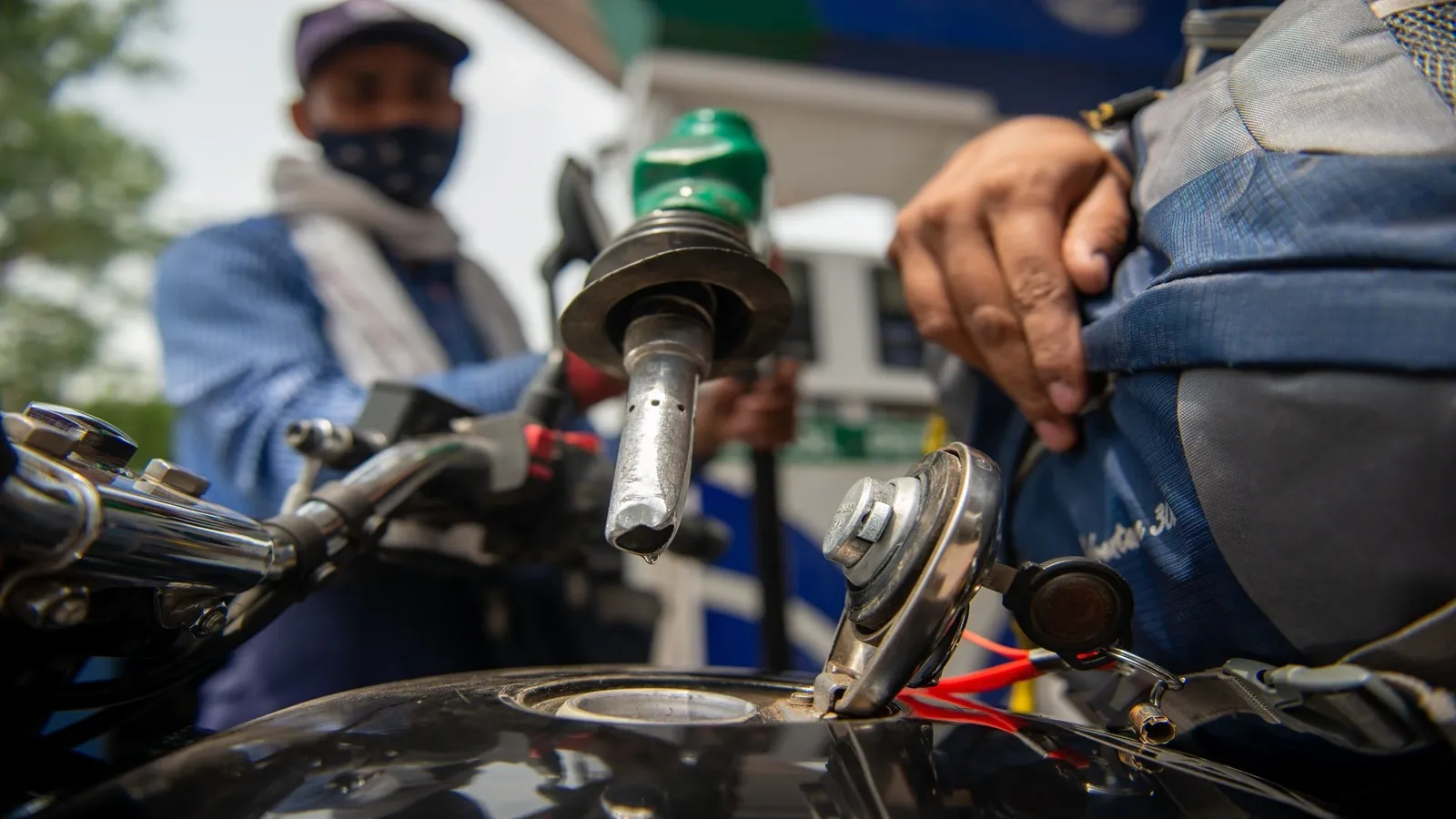
India is currently facing mounting fuel-related pressure amid escalating geopolitical tensions in West Asia. Image: Shutterstock
The ONGC share price was trading at ₹294 on the NSE, up 4.63%, while Oil India (OIL) was trading over 7% at ₹488.80.
What are upstream oil companies?
Upstream oil companies are firms involved in the exploration and production of crude oil and natural gas. Their core activities include discovering oil and gas reserves, drilling wells, and extracting hydrocarbons from the ground or offshore fields.
In India, major upstream companies include ONGC and Oil India Ltd. These companies supply crude oil and natural gas to refiners and fuel retailers.
The govt notification
The revised royalty rates and methodologies were notified by the Ministry of Petroleum and Natural Gas on May 8 as part of broader reforms aimed at creating a more stable and investor-friendly framework for India’s upstream oil and gas sector.
The government has termed the rationalisation of royalty rates and methodologies for crude oil, natural gas, and casing head condensate as a major reform for India’s upstream oil and gas sector.
Calling it a “big boost” for the upstream industry, Hardeep Singh Puri, the Minister of Petroleum and Natural Gas of India, in a post on X, said the move marks a new era for India’s oil and gas regulatory regime by removing long-standing inconsistencies and creating a more stable and investor-friendly framework under the leadership of Prime Minister Narendra Modi.
The minister noted that following the landmark 2025 amendments to the Oilfields (Regulation and Development) Act and Petroleum & Natural Gas Rules, the government has now revised royalty rates and methodologies across hydrocarbons to bring greater regulatory clarity and predictability.
According to the statement, the revised schedule aims to eliminate inconsistencies across different royalty regimes and support long-term growth in the upstream sector.
The minister further said the decision is the culmination of a decade-long effort to modernise India’s regulatory landscape by replacing complexity with consistency to strengthen the country’s energy future.
Royalty in upstream firms
Royalty is the fee that oil and gas companies such as ONGC and Oil India Ltd pay to the government for extracting crude oil and natural gas from the country’s natural reserves. It is usually charged as a percentage of the value of oil or gas produced. The “royalty rate” refers to this percentage fixed by the government.
For example, if a company produces crude oil worth ₹100 and the royalty rate is 10%, it has to pay ₹10 as royalty to the government.
Higher royalty rates increase costs for upstream companies, while lower rates improve profitability and can encourage more exploration and production, especially in expensive deepwater and ultra-deepwater projects.
Fuel-related pressure
India is currently facing mounting fuel-related pressure amid escalating geopolitical tensions in West Asia, which have sharply increased global crude oil prices and raised fears of supply disruptions through key shipping routes such as the Strait of Hormuz.
Since India imports nearly 85% of its crude oil requirement, higher oil prices significantly increase the country’s import bill and put pressure on the rupee and foreign exchange reserves.
Against this backdrop, Prime Minister Narendra Modi has urged citizens to conserve fuel, increase the use of public transportation, limit non-essential international travel, and avoid discretionary gold purchases for a year.
The broader objective behind the appeal is to reduce dollar outflows, conserve forex reserves, and ease pressure on India’s economy during a period of global uncertainty.
Related News

About The Author
Next Story