Market News
IOC, HPCL, BPCL: Q1 FY27 fuel losses could wipe out entire FY26 profits of OMCs; check the math

7 min read | Updated on May 11, 2026, 21:44 IST


SUMMARY
OMCs in focus: Since the war broke out in the Middle East, state-owned OMCs have ensured uninterrupted supplies of petrol, diesel, and cooking gas LPG at rates that are way below cost. This has resulted in the three OMCs - IOC, BPCL, and HPCL - running record-high under-recoveries (the difference between cost and retail selling price).
Stock list
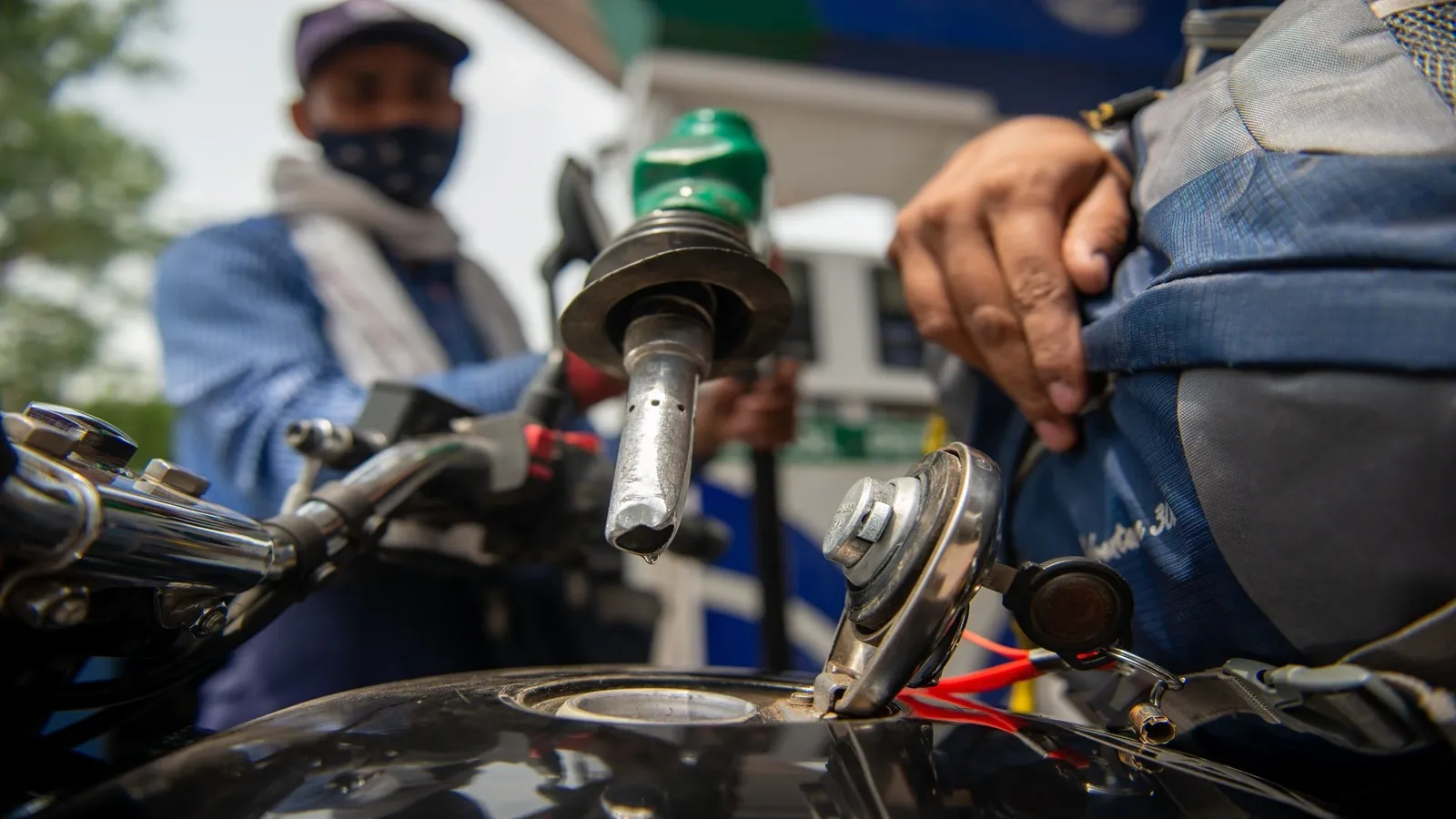
The combined under-recovery on petrol, diesel, and cooking gas LPG is ₹1,000 crore to ₹1,200 crore daily. Image: Shutterstock
Since the war broke out in the Middle East at the end of February, state-owned OMCs have ensured uninterrupted supplies of petrol, diesel, and cooking gas LPG at rates that are way below cost, unlike many global energy systems that imposed rationing or passed through steep price increases.
This has resulted in the three OMCs - IOC, BPCL, and HPCL - running record-high under-recoveries (the difference between cost and retail selling price), the source, who wished not to be named, said.
The combined under-recovery on petrol, diesel, and cooking gas LPG is ₹1,000 crore to ₹1,200 crore daily, the source said.
Petrol/diesel price unchanged
Despite a 50% surge in input crude oil prices, petrol and diesel continue to be priced at a two-year-old rate of ₹94.77 a litre and ₹87.67 per litre respectively. Domestic cooking gas LPG prices were raised in March by ₹60 per cylinder, but they are still way lower than the actual cost.
"At current oil prices, the losses in the current quarter (April-June) will wipe out the company's entire year's profit of about ₹76,000 crore," the source said, adding that after considering losses in March - the first month of the crisis - the cumulative losses come to about ₹1 lakh crore.
The oil companies are currently losing ₹14 per litre on petrol, ₹42 a litre on diesel, and ₹674 a litre on cooking gas LPG.
What ICRA observes
Commenting on rising losses faced by oil marketing companies, Prashant Vashisht, Senior Vice President & Co-Group Head, Corporate Ratings, ICRA Ltd, said, "The oil marketing companies are incurring substantial losses on the sale of auto fuels and domestic LPG owing to high international crude oil and product prices.
"ICRA estimates that at crude prices of $120-₹125 per barrel, and considering the past 10-year average crack spreads for auto fuels, oil marketing companies incur losses of around ₹1,000 crore per day on the sale of auto fuels and domestic LPG. This level of losses is unsustainable and would need to be addressed if elevated crude oil and product prices persist over an extended period."
The revenues that OMCs earn from selling fuel are the only source that is used by them to buy crude oil (raw material), build infrastructure to process it into fuel, and lay a network to take the product to consumers.
For 10 weeks, the OMCs have managed to insulate the Indian market, but now the cost is visible, the source said, adding they may have to borrow more to meet the working capital requirement (buying of crude oil).
"If elevated crude prices persist for an extended period, OMCs may require higher working capital borrowings and calibrated reprioritisation of some capex timelines," he said. "However, strategic investments in refining expansion, energy security infrastructure, ethanol blending, biofuels, and transition fuels continue to remain national priorities and are expected to proceed with Government support."
Unlike Japan and the UK, India has retained fuel prices
While countries from Japan to the United Kingdom have raised petrol and diesel prices by up to 30% since the start of the West Asia conflict, fuel prices in India continue at two-year-old levels.
This despite the war disrupting India's import of 40% of crude oil (raw material for making petrol and diesel), 90% cooking gas LPG, and 65% natural gas (used to generate electricity, make fertiliser, turned into CNG and piped to household kitchens for cooking).
While the three OMCs have worked overtime to keep the supply lines running even when demand spiked due to panic buying, the government intervention included excise duty reductions to absorb part of the fuel cost burden. The special additional excise duty on petrol was cut to ₹3 per litre from ₹13, while excise duty on diesel was reduced to zero from ₹10 per litre.
The government has taken a hit of ₹14,000 crore a month in cutting the excise duty, the source added.
What Fitch Ratings said recently
Last week, Fitch Ratings said that India's OMCs could see mounting credit pressure if crude prices remain elevated, with delayed fuel price pass-through threatening earnings and cash flow.
Sustained high oil prices would quickly erode EBITDA if domestic pump prices fail to keep pace with rising input costs, while large inventory holdings and refining volumes would increase working-capital needs.
Credit pressure refers to weakening financial health, which can affect:
- profitability,
- cash flows,
- debt levels, and
- credit ratings.
If crude oil prices remain elevated, these companies may have to spend much more money to buy crude oil from global markets.
Credit risk factors
Fitch said the duration of elevated prices, rather than short-term spikes, is the main credit risk.
"Indian oil marketing companies are more vulnerable if elevated crude prices persist. Fuel marketing losses can quickly erode EBITDA if domestic pump prices do not adjust in step with input costs.
"Companies' large inventory holdings and refining volumes mean a sustained rise in crude prices would increase working-capital needs and pressure free cash flow (FCF).
"This makes duration, rather than any short-lived price spike, the main credit risk," it said.
Divergence in credit profiles
Differences in business mix and capital spending are likely to drive divergence in standalone credit profiles, Fitch Ratings added.
Indian Oil Corp's more diversified operations should provide greater resilience, while Bharat Petroleum faces tighter headroom due to rising expansion and transition spending.
Hindustan Petroleum's credit profile may strengthen as major joint-venture projects are completed, although prolonged high prices could delay that improvement.
"Pressure on Indian issuers' standalone credit profiles (SCPs) may diverge based on their business model and capex intensity.
What has triggered the fuel crisis?
The current fuel crisis has largely been caused by ongoing geopolitical tensions in West Asia, particularly concerns around the disruption of crude oil supply routes such as the Strait of Hormuz – a key global oil transit chokepoint.
Fears of supply disruption have pushed global crude oil prices sharply higher (over $120/bbl), increasing the cost of importing oil for countries such as India, which depends on imports for nearly 85% of its crude requirement.
At the same time, domestic fuel retailers such as IOC, BPCL, and HPCL have been unable to fully pass on the rise in crude prices to consumers through higher petrol and diesel prices, leading to pressure on their margins and potential fuel losses.
This has led to concerns over inflation, fiscal pressure, and India’s foreign exchange (forex) outflows.
About The Author
Next Story