
Market News
NTPC, Tata Power, Power Grid in spotlight as power consumption jumps 11% in July: Key details

4 min read | Updated on August 03, 2026, 09:20 IST


SUMMARY
India's power consumption grew 10.93% year-on-year (YoY) to 170.70 billion units (BU) in July, official data showed, as high humidity levels pushed up use of cooling appliances such as air conditioners in many parts of the country.
Stock list
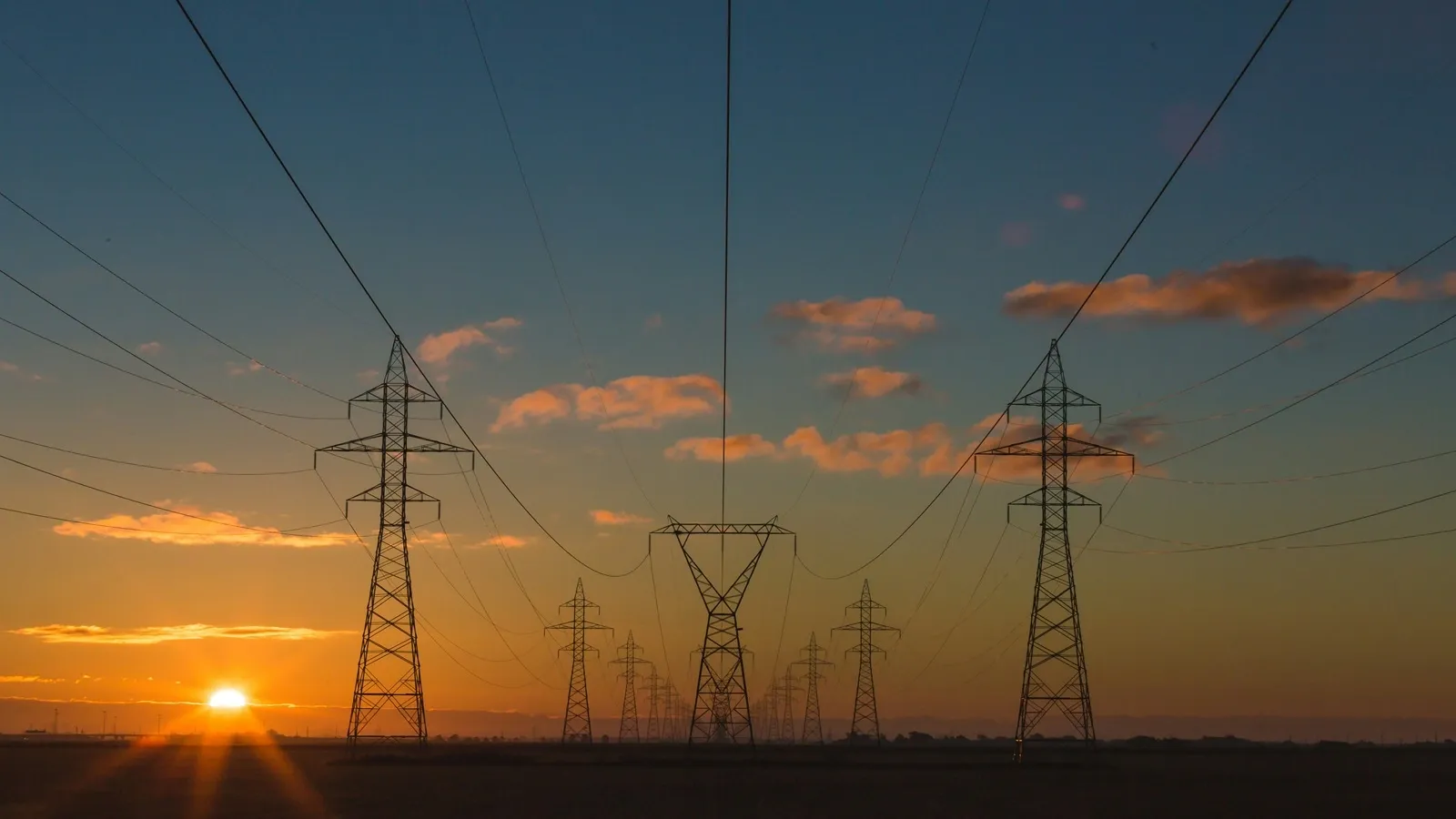
The peak power demand in July hovered around the all-time record high of 270.82 GW seen in May. Image: Unsplash
Shares of power sector companies are expected to be in the spotlight on Monday, August 3, following the surge in power demand.
India's power consumption grew 10.93% year-on-year (YoY) to 170.70 billion units (BU) in July, official data showed, as high humidity levels pushed up use of cooling appliances such as air conditioners in many parts of the country.
The country's total power consumption was 153.88 BU in July 2025.
The higher feel-like temperature than actual, caused by humid conditions across the country, increased use of cooling appliances like air conditioners, thereby increasing power demand and consumption, experts said.
The peak power demand also jumped to 270.20 GW last month from 220.74 GW in July 2025. The peak power demand in July hovered around the all-time record high of 270.82 GW seen in May.
The power demand in May last year was 230.99 GW. Last summer, the peak power demand was 242.77 GW, recorded in June 2025, but stayed below the government's estimate of 277 GW.
Experts said power demand will remain steady in August as well, with continued humid conditions in the ongoing monsoon.
The India Meteorological Department (IMD) has projected deficient rainfall in this year's monsoon.
What you need to know
India's 10.9% YoY growth in power consumption and the 270.2 GW peak demand indicate robust electricity demand despite the monsoon.
The increase was driven by high humidity, which boosted the use of air conditioners and other cooling appliances.
Sustained high demand is positive for power producers as it supports higher generation and better capacity utilisation, while transmission and distribution companies also benefit from increased electricity flows.
Stocks likely to be in focus
- CG Power and Industrial Solutions
- Hitachi Energy India
- Siemens India
These companies could benefit over the medium term if sustained demand leads to higher investments in grid infrastructure, transformers, switchgear, and transmission equipment.
Power sector in India
India’s power sector is among the most diversified in the world, drawing from conventional sources such as coal, lignite, natural gas, oil, hydro, and nuclear power, as well as non-conventional sources including wind, solar, and biomass.
Rapidly rising electricity demand continues to drive capacity expansion, making large-scale additions to generation capacity essential for the future. India emerged as the world’s third-largest producer of wind and solar electricity in 2025, behind the US and China, according to the sixth edition of Ember’s Global Electricity Review.
The report highlighted that wind and solar accounted for 17% of global electricity generation in 2025, with India’s share at 14% in 2025. It is also the only G20 nation on track to meet its Paris Agreement targets.
The country’s wind energy sector, in particular, is advancing steadily toward the ambitious goal of 100 GW by 2030, according to the Indian Wind Turbine Manufacturers Association (IWTMA).
Power demand rising sharply
According to a report by India Brand Equity Foundation in June 2026, electricity demand has been rising sharply.
In FY25, India consumed 1,622.97 billion units of electricity, an increase of 32% over FY21, translating into a 5-year CAGR of 7.17%.
Peak power demand is expected to reach 277 GW in FY26, and overall energy demand is projected to grow at 6-6.5% annually over the next five years, underscoring the scale of opportunities and challenges for the sector.
Related News


About The Author
Next Story

