
Market News
Market volatility spikes: India VIX rises as NIFTY50, SENSEX crash; key factors explained

3 min read | Updated on June 03, 2026, 13:16 IST


SUMMARY
Over a year’s time the NSE's Volatility Index, or VIX, has fallen 1.1%, while for six months’ time it has zoomed 46%

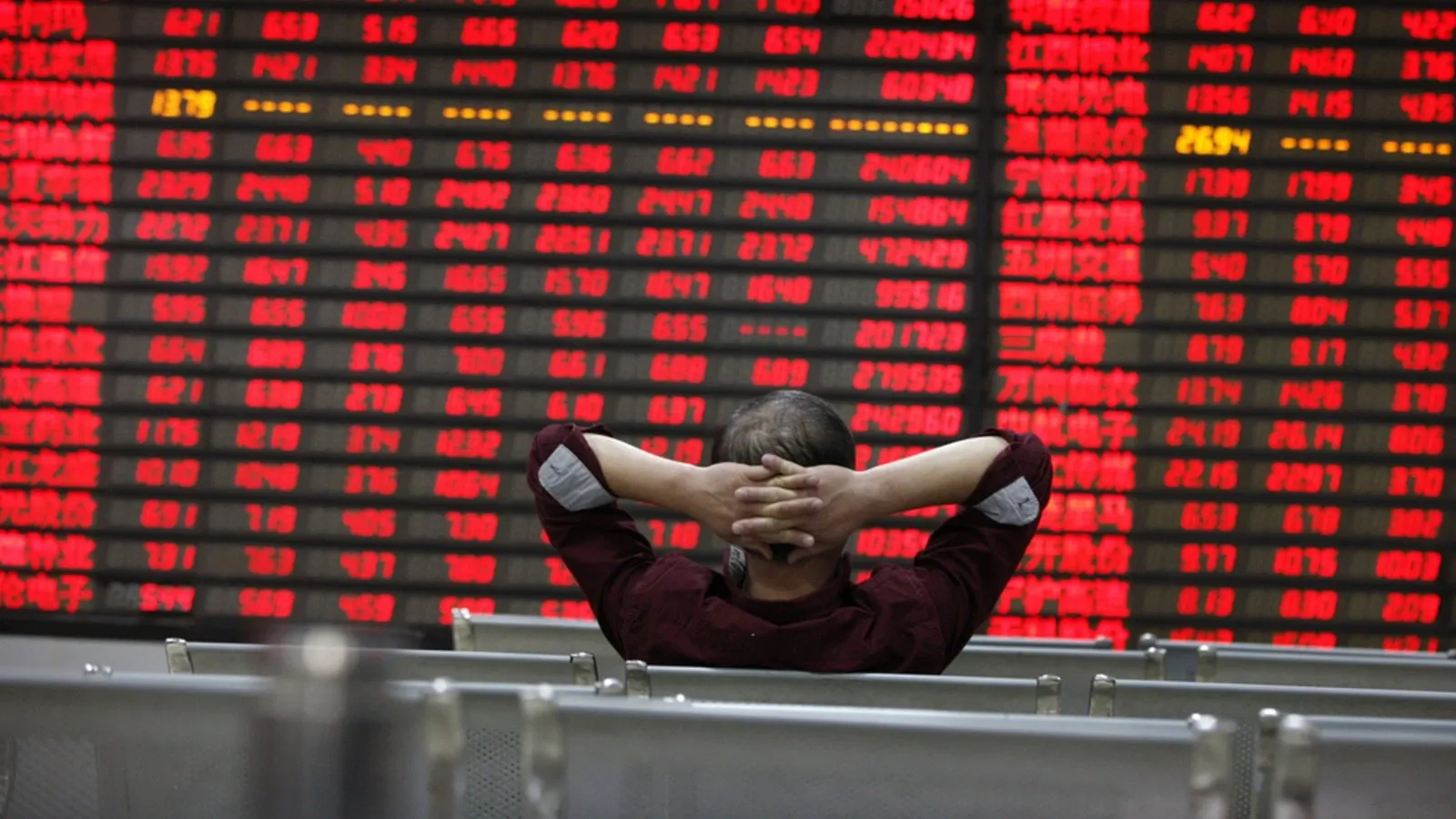
The volatility index is a measure of the market’s expectation of volatility over the near term. Image: Shutterstock
The volatility gauge, India VIX, traded higher on Wednesday, June 3, surging to the 16.98 level amid weak market sentiment due to geopolitical tensions, a weak rupee and fresh US tariff fears.
Over a year’s time the NSE's Volatility Index, or VIX, has fallen 1.1%, while for six months’ time it has zoomed 46%. It had touched a low of the 8.18 level in 2023. At 12:52 PM, the index was at the 16.35 level, surging 6.44%.
The volatility index is a measure of the market’s expectation of volatility over the near term. Volatility is often described as the “rate and magnitude of changes in prices" and, in finance, often referred to as risk.
The index also indicates the expected short-term fluctuations in an underlying index. It is expressed as annualised volatility (in percentage terms, e.g., 20%) and is derived from the order book of the index’s options.
India VIX is a volatility index derived from NIFTY index option prices. It is calculated using the best bid-ask quotes of NIFTY options contracts to indicate the expected market volatility over the next 30 calendar days. The index follows the CBOE methodology, with modifications to suit the NIFTY options order book, including the use of cubic spline interpolation.
The fall in VIX, or fear gauge, indicates that the investors believe that the worst of the declines may not be over.
Meanwhile, the NSE NIFTY50 index has fallen 1.4% in its intraday low of 23,151.50 level, while the BSE SENSEX has crashed 1,157 points, or 1.55%, on Wednesday.
Shares of TCS (-8.37%), Tech Mahindra (-5.75%), HCL Technologies (-4.91%), Infosys (-3.88%) and Wipro (-2.95%) were the top laggards on the 50-shares index in the afternoon session.
Here are the factors contributing to the market fall on Wednesday
-
The market investors turned cautious after the US Trade Representative proposed slapping 12.5% additional duties on 54 countries, including India, for failing to prohibit the import of goods produced with forced labour. The action follows investigations launched against 60 countries over what the USTR described as their failure to impose and effectively enforce bans on imports made with forced labour.
-
On the global front, Kuwait said Wednesday it had suspended commercial flights after an Iranian drone attack hit the country's airport, injuring a number of people hours after Iran and the United States traded missile strikes in the region. The attacks came after Iran stopped communicating with mediators about extending a ceasefire in the war with the US and Israel, according to reports Tuesday from two semiofficial Iranian news agencies. US President Donald Trump disputed that claim and said talks were continuing.
-
IT stocks like TCS, Tech Mahindra, and Infosys, among others, listed on the Indian stock market, dragged down the sectoral benchmark Nifty IT index by more than 4% on June 3, as investors booked their profits following a rally. The Nifty IT index crashed 1,815 points, losing around 5.8% during the trading session on Wednesday to 29,300 points.
-
The rupee depreciated 28 paise to 95.64 against the US dollar on Wednesday after the US Trade Representative proposed additional duties on India and 53 other countries over forced labour import violations. At the interbank foreign exchange market, the rupee opened at 95.43 against the US dollar, then touched 95.64 in early trade, down 28 paise from its previous close.
-
Meanwhile, the foreign portfolio investors (FPIs) continued to sell from the Indian equity market, withdrawing ₹8,362.92 crore on Tuesday, leading to a weak market sentiment.
Related News

About The Author
Next Story

