
Market News
IT stocks crash! TCS, Tech Mahindra, Infosys, others drag down Nifty IT 5% intraday; check key factors behind fall

5 min read | Updated on June 03, 2026, 13:55 IST


SUMMARY
IT stocks like TCS, Tech Mahindra, and Infosys, among others, dragged down the Nifty IT index by around 5.8% during the trading session on June 3. Here's what investors need to know.
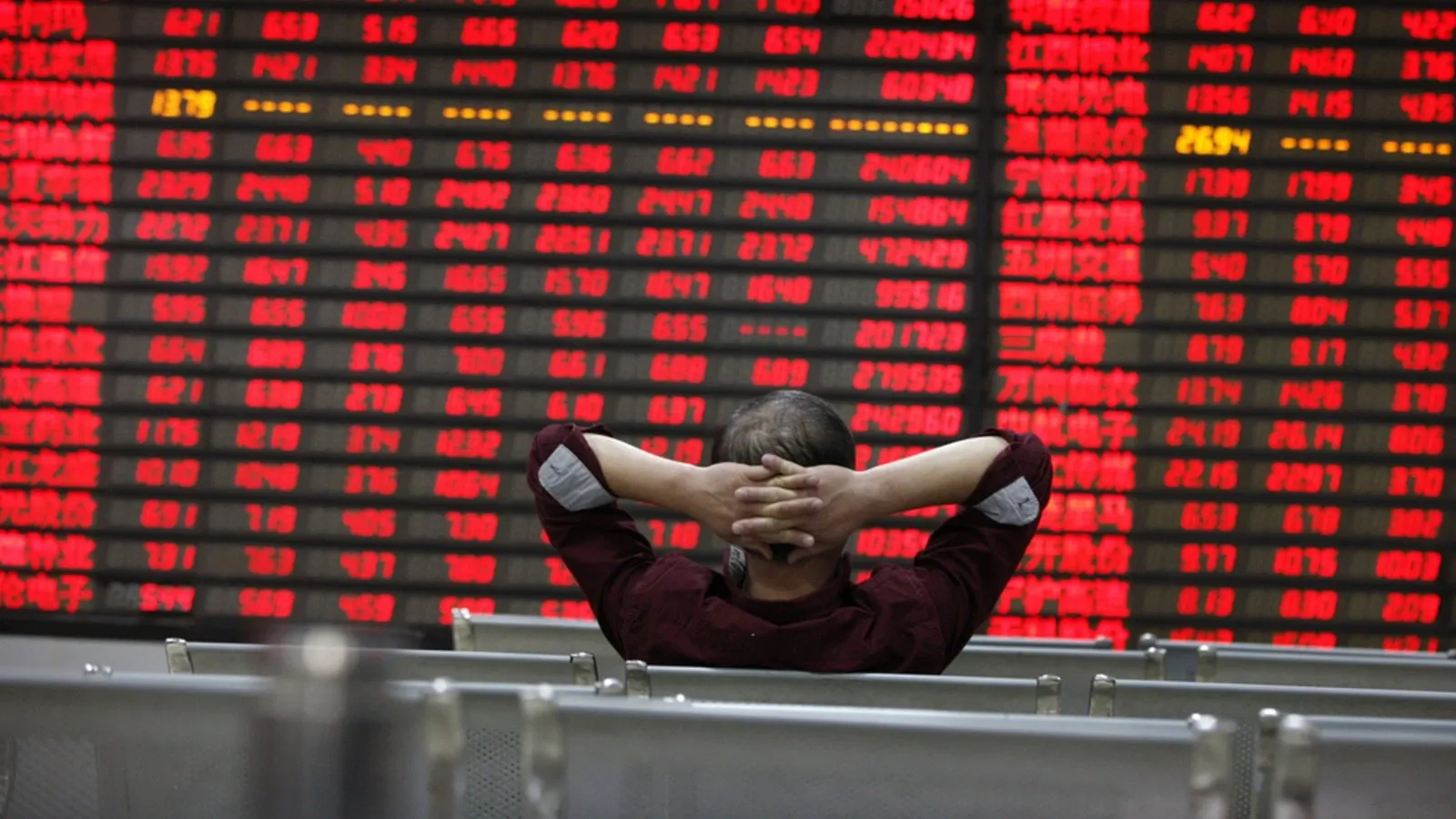
Nifty IT index crashed 1,439 points, losing around 4.6% during the trading session on Wednesday, June 3. | Photo: Shutterstock
The Nifty IT index crashed 1,815.55 points, losing around 5.8% during the trading session on Wednesday to 29,301 points, compared to 31,116.55 points at the previous market close, according to NSE data.
Although the IT stocks have a strong deals pipeline in store, along with the backing of global market investors on the positive artificial intelligence (AI) sentiment, the domestic investors were cashing out their gains after a tech stock rally in the previous trading session on the backdrop of wider volatility.
Why are IT stocks falling today?
On Wednesday, IT stocks were facing downward pressure due to the heavy profit booking from investors after the Indian tech stocks rallied during the trading session on Tuesday, fuelled by the global tech sentiment.
The previous rally in Indian IT stocks came on the backdrop of positive momentum from the US technology stocks, as companies reported earnings exceeding market expectations, in turn reducing the AI concerns in the market.
Earlier investors were cautious due to the impact and disruption of AI tech in the traditional software businesses of the technology companies. The tech stock rally supported the S&P 500 to close positive for nine straight trading sessions.
The IT stocks were also witnessing significant pressure from the FII outflows from emerging markets like India, as the foreign investors continued their selling streak, shedding ₹8,362.92 crore worth of assets across exchanges in a single day on Tuesday.
As foreign investors hold a significant amount of large stocks, including IT stocks, the continued outflows from domestic equities have weighed down the overall performance due to the increased liquidity movement in the stock market.
Concerns in the industry remain on the demand conditions bottoming out despite the continued currency support for the sector, which exports its services to foreign clients in exchange for dollar revenues.
What are the tailwinds for IT sector stocks?
As Indian IT sector companies are all moving ahead, announcing several AI-related deals, digital engineering contracts, among other things, this move towards wider AI adoption is likely to benefit in terms of higher deal volumes and revenue growth for the firms.
Apart from the fundamental tailwinds, the weaker Indian rupee rate against the US dollar in the current market has also aided the revenues of the companies as they cater to overseas clients in exchange for dollar revenues.
A falling rupee might be hurting import-linked companies, but export companies like those supplying IT services abroad will benefit from the lower Rupee rate, which in turn will translate to the margin and earnings expansion.
Top IT stocks in focus today
So far in 2026, TCS shares have lost 30% year-to-date (YTD) and have dropped 9% in the past one month. The company’s shares were trading 1.6% lower in the last five trading sessions on the Indian stock market.
Shares of Infosys have lost 24% on a year-to-date basis, but have gained 3.8% in the past one month. The company’s shares were trading 5.8% lower in the last five trading sessions.
Shares of Tech Mahindra were trading 7% lower so far in 2026. However, the IT stock was trading 1.3% higher over the last one month, and was up 2.6% up in the last one week.
Shares of LTM have lost 34% year-to-date in 2026, and have lost 5.7% in the past one month. However, the company’s stock was trading 0.85% higher over the last one week.
The company’s stock has lost 17% so far in 2026, but the shares have gained 7.9% in the last one month. Persistent Systems stock was trading 1.5% higher in the last five trading sessions on NSE.
Related News



About The Author
Next Story

