
Business News
India faces fresh US tariff decision today as Trump's 10% global tariff nears expiry

4 min read | Updated on July 23, 2026, 14:20 IST


SUMMARY
India challenged the investigation, arguing that it does not meet the legal requirements for initiation and has urged the USTR to terminate the proceedings.
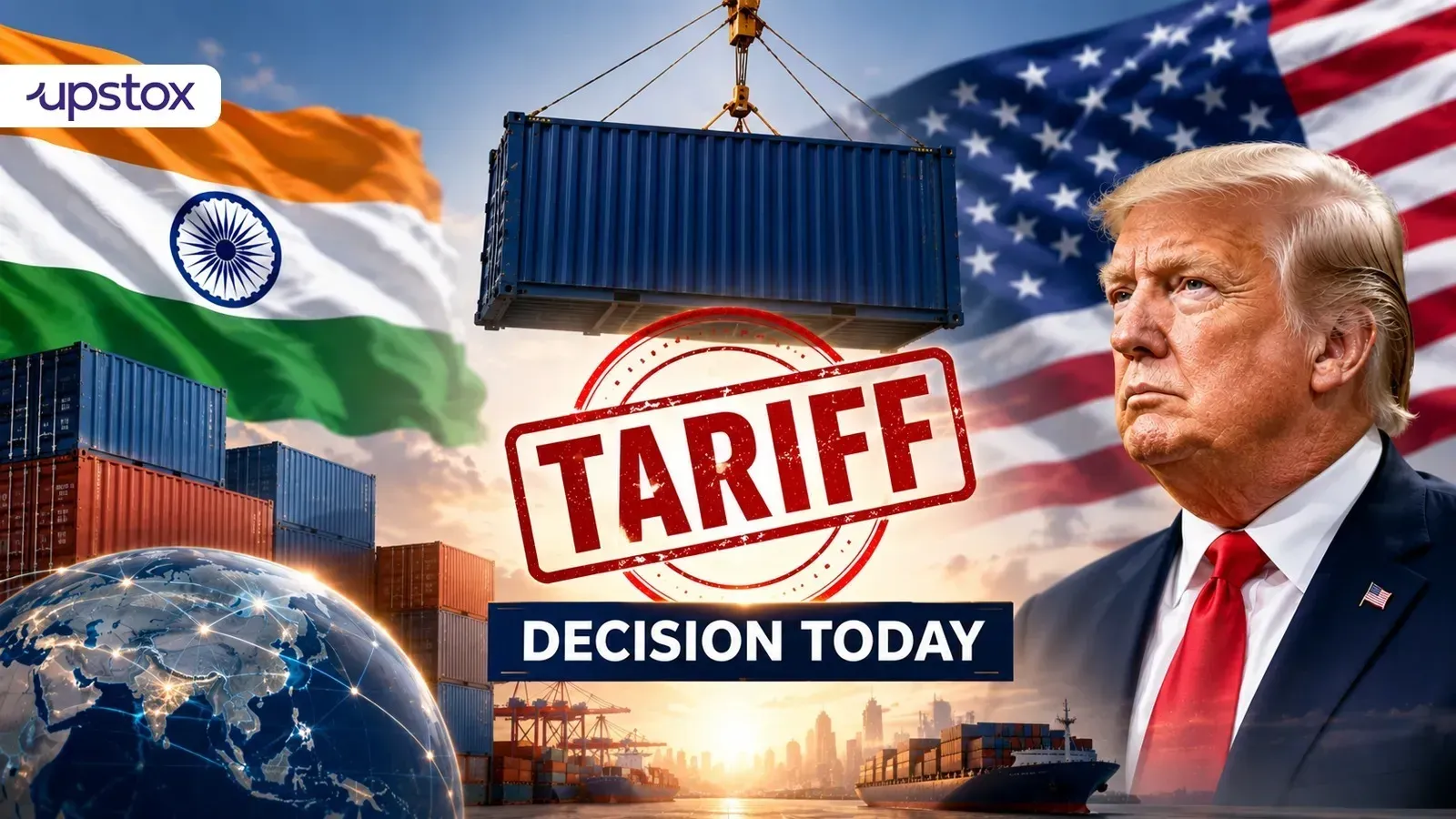
The Trump administration is increasingly relying on Section 301 after a US Supreme Court ruling limited the president’s ability to impose sweeping tariffs.
The United States is expected to announce on Thursday its final action under a Section 301 investigation into 60 trading partners, including India, over alleged failures to curb imports of goods produced with forced labour.
US Trade Representative Jamieson Greer told the Senate Finance Committee on Wednesday that his office would release its "final responsive action" on the investigation "as soon as tomorrow".
The announcement is expected just ahead of the July 24 expiry of President Donald Trump's 10% global tariffs imposed under Section 122 of the Trade Act of 1974.
The move could pave the way for fresh tariffs as the Trump administration seeks to preserve a key source of tariff revenue.
Which countries could face higher tariffs?
India is among 54 economies that the USTR said have neither adopted nor effectively enforced prohibitions on imports produced with forced labour.
The list includes China, Australia, Brazil, Japan, South Korea, the United Kingdom, Saudi Arabia, Singapore, Switzerland, Thailand, Vietnam and the United Arab Emirates.
Under the proposal, these economies would face an additional tariff of 12.5%.
The remaining six economies -- Canada, Ecuador, the European Union, Indonesia, Mexico and Pakistan -- were found to have failed to effectively enforce existing prohibitions and may face an additional 10% tariff.
Why is Trump relying on Section 301?
The investigation, launched in March under Section 301 of the Trade Act of 1974, concluded that the acts, policies and practices of the economies concerned were "unreasonable" and burden or restrict US commerce, making them actionable under the law.
Announcing the proposed measures last month, Greer had said, "The failure of our most important trading partners to address the importation of goods made with forced labor is unacceptable. This creates a dynamic where American workers are forced to compete globally on an unlevel playing field."
The proposed action comes as the Trump administration looks to rely more heavily on Section 301 after a US Supreme Court ruling curtailed the president's authority to impose sweeping tariffs under other legal provisions.
Following that ruling, the Trump administration relied on Section 122 of the Trade Act to levy a temporary 10% on imports from all countries. However, Section 122 permits such tariffs only for 150 days unless Congress approves an extension, which appears unlikely ahead of the November midterm elections.
Section 301, on the other hand, allows the president to impose tariffs and other trade sanctions against countries found to engage in "unjustifiable", "unreasonable" or "discriminatory" trade practices.
Unlike Section 122, Section 301 tariffs are not subject to the 150-day limitation and can remain in force for four years, with the option of renewal.
The forced labour investigation is one of two major Section 301 probes the administration has initiated as it seeks to replace tariff revenues lost after the Supreme Court ruling.
India has challenged both investigations.
In its submission to the USTR on the forced labour probe, India argued that the investigation does not satisfy the legal requirements for initiation and requested Washington to terminate the proceedings.
"India requests the USTR to make a negative determination and terminate the investigation against India. Additionally, India remains willing to constructively engage with the United States," it said.
India has similarly rejected allegations in the structural excess capacity investigation, calling them unsubstantiated and lacking a cogent rationale.
The Commerce Ministry had said India remains engaged with the United States on the proposed Section 301 tariff action and stressed that the measures are yet to be finalised.
According to the ministry, products already covered under Section 232 tariffs, along with certain other items, have been excluded from the proposed action. It also pointed to a special mechanism for textiles and apparel that could allow a specified volume of imports from selected economies to enter the US market at lower tariff rates.
Related News
About The Author
Next Story

