
Business News
India rejects USTR charge of unfair trade practices, demands end to Section 301 probe
.png)
3 min read | Updated on April 16, 2026, 09:41 IST


SUMMARY
The investigations could eventually lead to higher US tariffs if Washington determines that the practices harm American commerce.
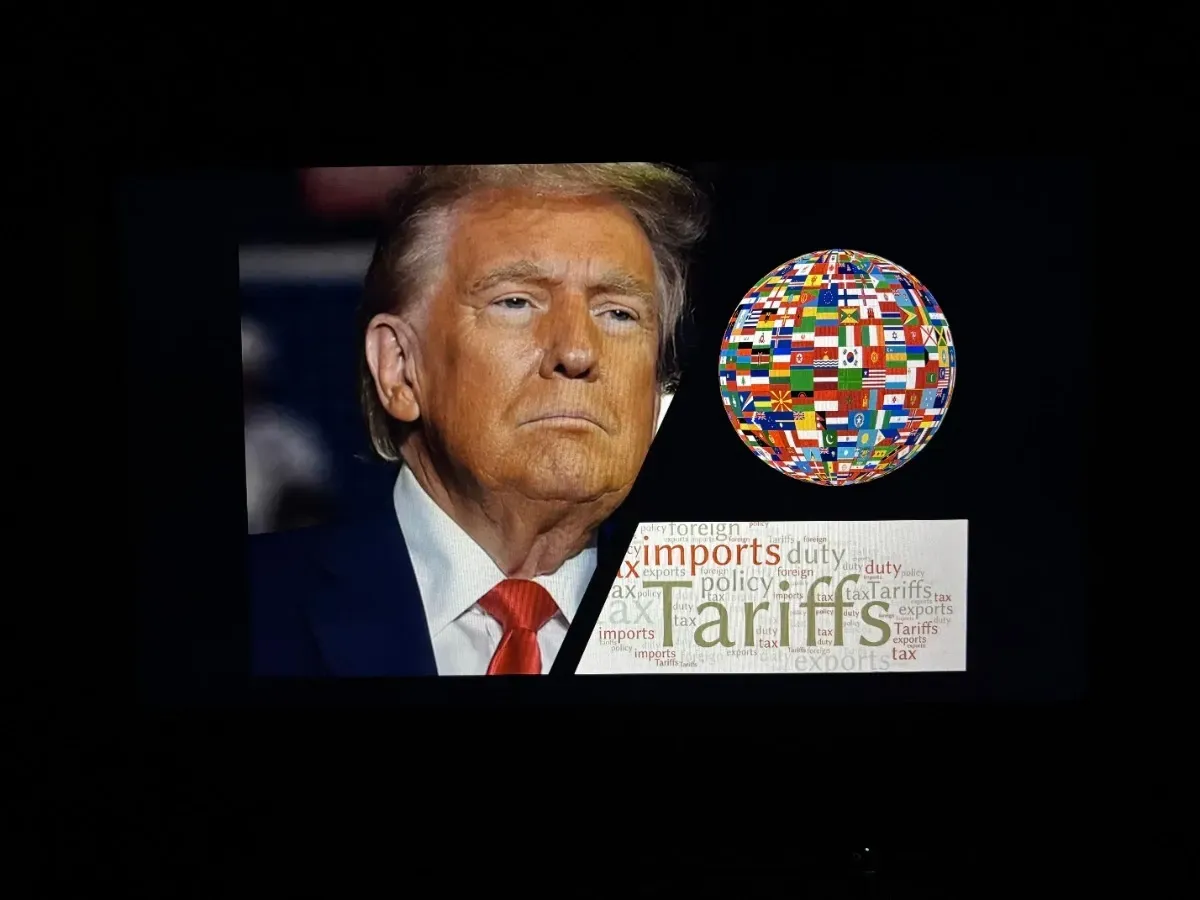
India argued that the probe relies on broad macroeconomic indicators without identifying any specific discriminatory policy or practice. Image: Shutterstock
India has strongly rejected allegations by the United States Trade Representative (USTR) in its investigation into “structural excess capacity and production” in manufacturing sectors, calling the claims unsubstantiated and lacking a cogent rationale.
In a submission to the USTR, India said the initiation notice fails to provide adequate justification or evidence to support the allegations and has urged Washington to issue a negative determination and terminate the probe against it.
The probe covers multiple economies, including India, China, the EU, Singapore, Switzerland, Norway, Indonesia, Malaysia, Cambodia, Thailand, South Korea, Vietnam, Taiwan, Bangladesh, Mexico and Japan.
It will assess whether their policies are “unreasonable or discriminatory” and whether they burden or restrict US commerce.
“The initiation notice is premised on aggregate macroeconomic indicators, without identifying any specific act, policy or practice of the Government of India that could be considered ‘unreasonable or discriminatory’,” India said in its submission.
It added that the notice provides no prima facie evidence to substantiate the allegation that India has “structural excess capacity” in major industries leading to a trade surplus with the US.
“India submits that the present investigation does not satisfy the requirements for initiation under Sections 301 and 302 of the Trade Act of 1974. India calls upon the USTR to make a negative determination and terminate the investigation forthwith,” it said.
The US Trade Representative Jamieson Greer had earlier said that overproduction in several countries was displacing US manufacturing and discouraging investment in domestic factories.
“The United States will no longer sacrifice its industrial base to other countries that may be exporting their problems with excess capacity and production to us,” Greer said.
The investigation could result in the imposition of additional tariffs if the US concludes that the practices of the countries under review harm its commerce.
The move comes as the Donald Trump administration explores alternative trade actions after the US Supreme Court struck down the president’s sweeping global reciprocal tariffs.
India also argued that trade-related concerns should be addressed through ongoing bilateral negotiations rather than unilateral measures, noting that the two countries are engaged in talks for a bilateral trade agreement.
“India remains willing to constructively engage with the United States in the underlying investigation, including any consultation,” it said.
The USTR is scheduled to hold hearings on the matter from May 5.
India said this probe too does not meet the legal requirements for initiation and sought its termination.
“India requests the USTR to make a negative determination and terminate the investigation against India. Additionally, India remains willing to constructively engage with the United States,” the submission said.
The forced labour probe covers around 60 economies, including India, China, the European Union, Japan, the United Kingdom, Canada, Australia, Mexico, Brazil and Vietnam.
The USTR said the investigation would examine whether the policies or practices of these economies regarding goods produced with forced labour are “unreasonable or discriminatory” and restrict US commerce.
Public hearings in the matter are scheduled from April 28.
About The Author
Next Story

