
Business News
GST Council removes officers' arrest power, raises prosecution threshold to ₹5 crore

4 min read | Updated on October 08, 2026, 18:16 IST


SUMMARY
The GST Council also removed the minimum punishment prescribed for GST offences, leaving it to judicial discretion to decide whether a case warrants a fine, imprisonment or both.
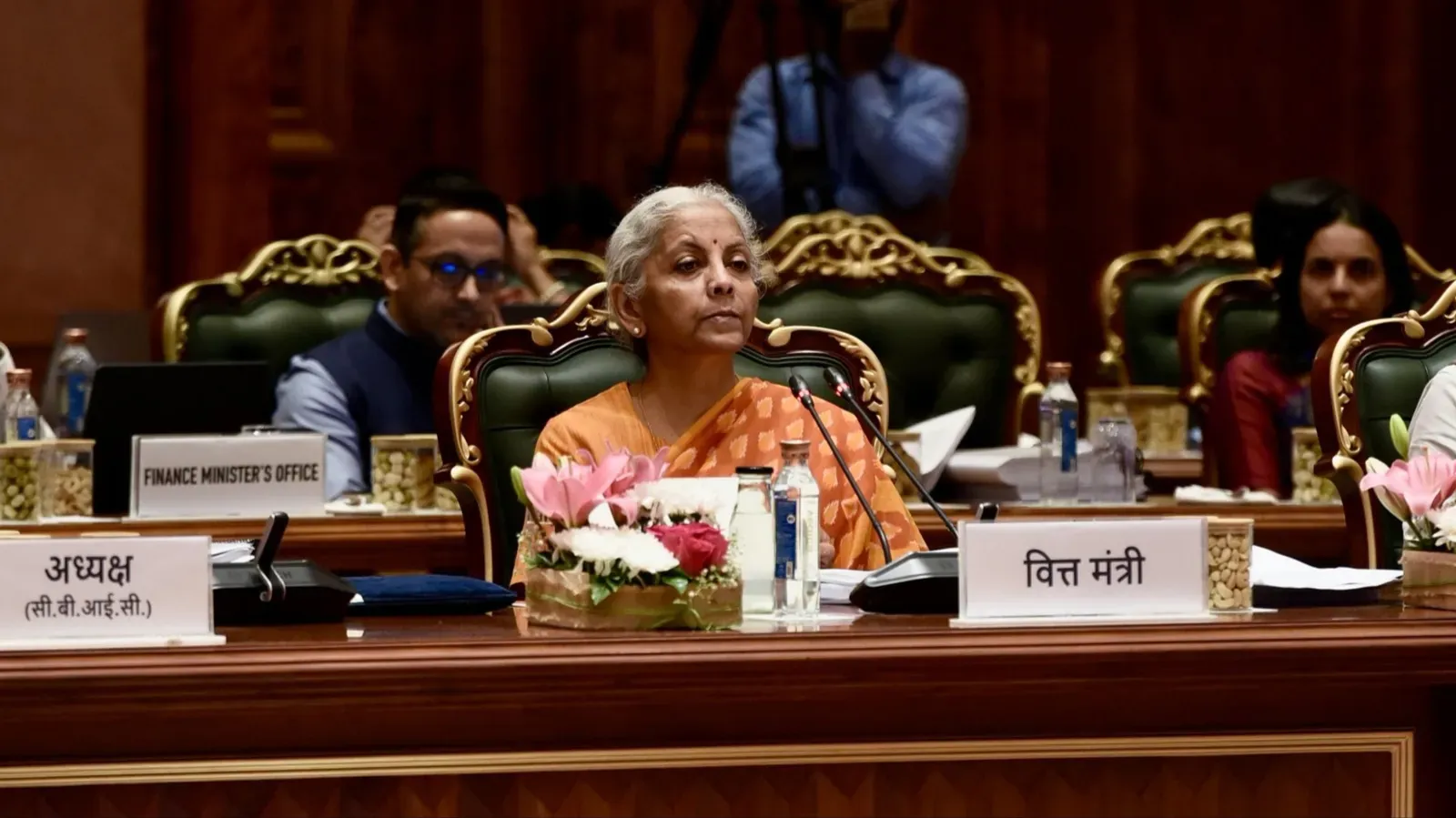
The GST Council on Thursday decided to remove the power of arrest under the Goods and Services Tax regime and raised the threshold for prosecution to ₹5 crore from the existing ₹1 crore, Union Finance Minister Nirmala Sitharaman said.
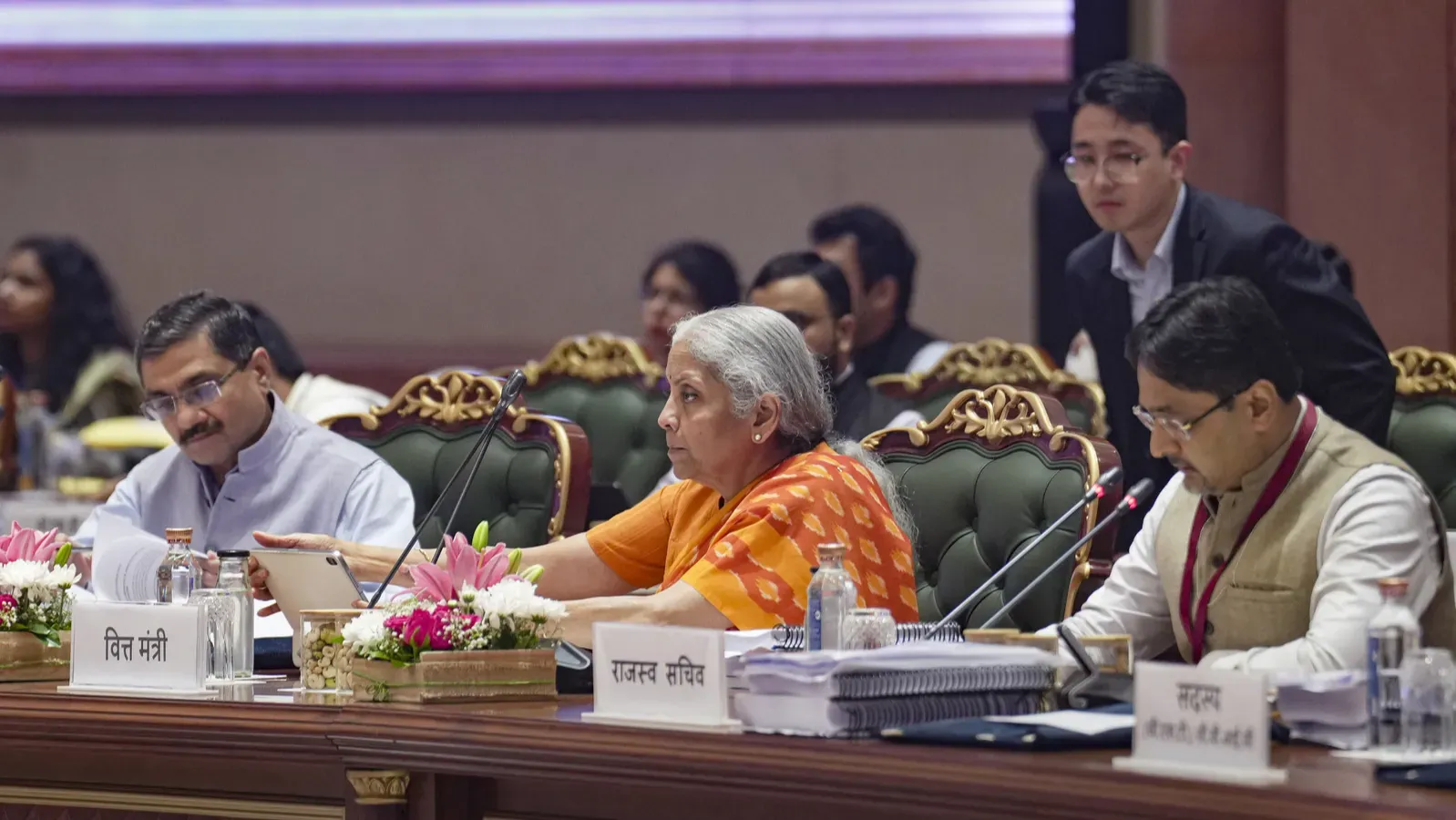
The decisions were taken at the 57th meeting of the GST Council chaired by Sitharaman.
Currently, GST officers have the power to arrest, after prior authorisation from a Commissioner-level officer, in cases involving major offences where tax evasion, fraudulent input tax credit (ITC) or wrongful refunds exceed ₹1 crore.
The Council also removed the minimum punishment prescribed for GST offences, leaving it to judicial discretion to decide whether a case warrants a fine, imprisonment or both.
The general penalty, which applies in cases where no specific penalty is prescribed, has also been reduced to ₹10,000 from ₹25,000.
A taxpayer who files late, makes a mistake or falls behind on payment faces recovery, interest and a proportionate penalty, and nothing beyond that.
All the process reforms agreed upon at the meeting will be implemented from April 1, 2027, she said.
No rate changes
The Council also decided that rate-related matters will be taken up once a year at a meeting set aside exclusively for the purpose.
Sitharaman said no rate changes were made at the 57th GST Council meeting and the rate structure is now settled.
Input Tax Credit reforms
The Council discussed a proposed amendment to Section 16(2)(c) of the CGST Act, which currently can result in ITC being blocked or reversed for a genuine recipient if a supplier elsewhere in the supply chain fails to deposit the tax or is found to have passed on fake ITC.
Sitharaman said the existing provision could create difficulties even where the recipient taxpayer possesses the invoice, has received the supply and has paid the supplier.
The Council discussed limiting the impact to the supplier immediately linked to the taxpayer instead of extending it through the entire supply chain.
However, following requests from some states, the Council decided to set up an officers' committee to examine the issue further.
"The Committee of Officers will complete its study within three months, and an agenda will be placed before the next Council meeting," the ministry said.
ITC for employee insurance
The Council also decided to allow employers to claim input tax credit on GST paid for life and health insurance cover provided to employees, Sitharaman said.
Under the GST law, individuals buying life or health insurance policies for themselves or their families are exempt from GST.
However, businesses buying life or health insurance cover for their employees are currently charged GST and, until now, were generally unable to claim ITC on such cover.
An 18% GST is currently levied on such group insurance policies.
Almost every organised employer provides insurance cover to its workforce. Allowing ITC on the GST paid on such policies will lower the cost of providing the benefit and should help expand insurance coverage and support the insurance industry.
Delhi Chief Minister Rekha Gupta said the meeting focussed on simplifying the GST framework and making it more user-friendly.
"Everything about this is special. It is excellent that all the states come together for the GST Council meeting," she said.
Gupta said discussions were held on providing better facilities to citizens, simplifying GST and improving its implementation, adding that the results had been "very positive".
West Bengal Finance Minister Swapan Dasgupta said GST was particularly important for states such as West Bengal as a large portion of its revenue accrues through the tax.
"Regarding compliance—which is often a challenge we face in West Bengal—there is now greater awareness about it. It has been a very positive meeting," Dasgupta said.
Related News
About The Author
Next Story

