
Business News
India may face 12.5% additional US tariff linked to forced labour import rules

4 min read | Updated on June 03, 2026, 14:31 IST


SUMMARY
India could face additional US tariffs after the US Trade Representative (USTR) concluded that India and 53 other economies have not adequately prohibited or enforced restrictions on imports of goods produced with forced labour.
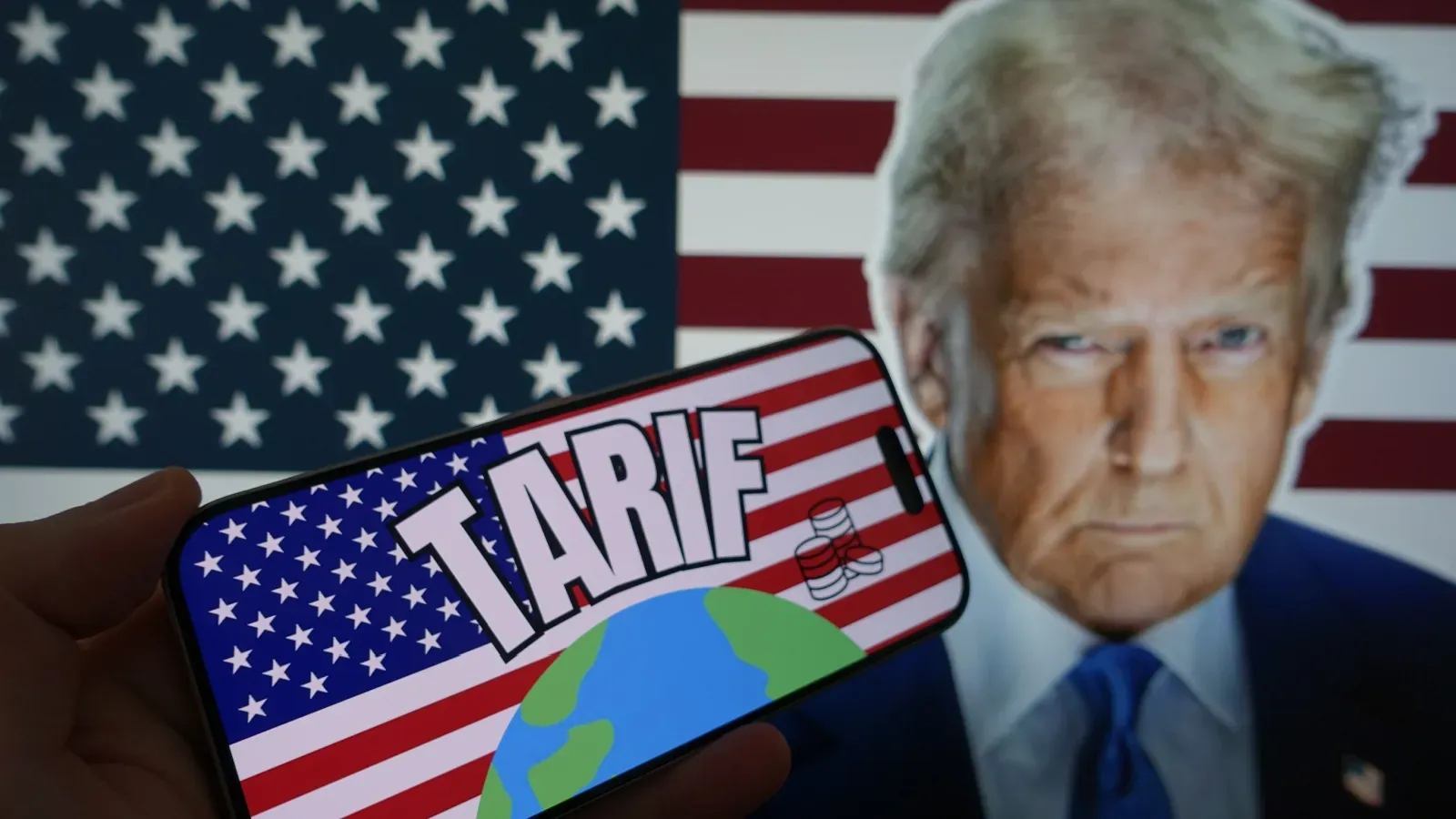
The USTR has proposed an additional 12.5% tariff on imports from economies without effective forced-labour import bans. Image: Shutterstock
India could face additional US tariffs under a new Section 301 trade action after the United States Trade Representative (USTR) determined that 60 economies have failed to adequately prohibit and enforce restrictions on imports of goods produced with forced labour.
The USTR has proposed imposing additional duties on products from all the investigated economies.
India figures among 54 economies that, according to the USTR, have failed both to impose and effectively enforce a prohibition on the importation of goods produced with forced labour.
The list includes China, Australia, Brazil, Japan, South Korea, the United Kingdom, Saudi Arabia, Singapore, Switzerland, Thailand, Vietnam and the United Arab Emirates.
The agency also found that six economies — Canada, Ecuador, the European Union, Indonesia, Mexico and Pakistan — had failed to effectively enforce existing prohibitions.
"The failure of our most important trading partners to address the importation of goods made with forced labor is unacceptable. This creates a dynamic where American workers are forced to compete globally on an unlevel playing field," US Trade Representative Jamieson Greer said.
The agency proposed imposing additional duties on imports from all 60 economies.
Countries that have adopted a forced labour import prohibition, committed to doing so under trade agreements, or have partial regimes in place would face an additional tariff of 10%.
All other economies would face an additional duty of 12.5%.
How India reacted to proposed tariff
The Commerce Ministry on Wednesday said India remains engaged with the United States on the proposed Section 301 tariff.
The ministry clarified that products already covered under Section 232 tariffs, along with certain other items, have been excluded from the proposed action.
It also pointed to a special mechanism for textiles and apparel that could permit a specified volume of imports from selected economies to enter the US market at lower tariff rates.
"The proposed tariffs are not yet final," the ministry said. "The USTR will consider the comments and testimony received before taking a final decision on the proposed measures."
The decision by the Office of the US Trade Representative (USTR) marks the latest effort by President Donald Trump's administration to explore alternative tariff tools following a recent Supreme Court ruling that curtailed the president's authority to impose sweeping tariffs without congressional approval.
In its submission to the USTR, India sought termination of the probe and urged the US authority to make a negative determination.
"India requests the USTR to make a negative determination and terminate the investigation against India. Additionally, India remains willing to constructively engage with the United States," the submission said.
The USTR has asked interested persons to submit requests to appear at the hearings, along with a summary of testimony by June 22 and send in written comments by July 6.
"USTR will hold hearings about the proposed actions in these investigations on July 7," the statement said.
US-India trade talks
The proposal comes at a time when US trade officials, led by chief negotiator Brendan Lynch, are in New Delhi to try to seal an interim trade agreement with India.
The visit by the US delegation from June 1-4 follows an in-person round of discussions held in Washington during April 20-23 and is expected to focus on ironing out the remaining issues in the proposed interim trade pact.
According to the Commerce Ministry, the discussions will cover areas including "market access, non-tariff measures, customs and trade facilitation, investment promotion, and economic security alignment."
About The Author
Next Story

