
Upstox Originals
FIIs may come back. A big rally may not

5 min read | Updated on October 16, 2026, 11:28 IST


SUMMARY
Foreign investors have pulled a record ₹3 lakh crore out of Indian stocks this year, and many expect a rally when they return. But their exit dented the market without breaking it, and their return may not lift it much either. The money could simply change hands, from Indian investors waiting to break even to foreigners buying back in.
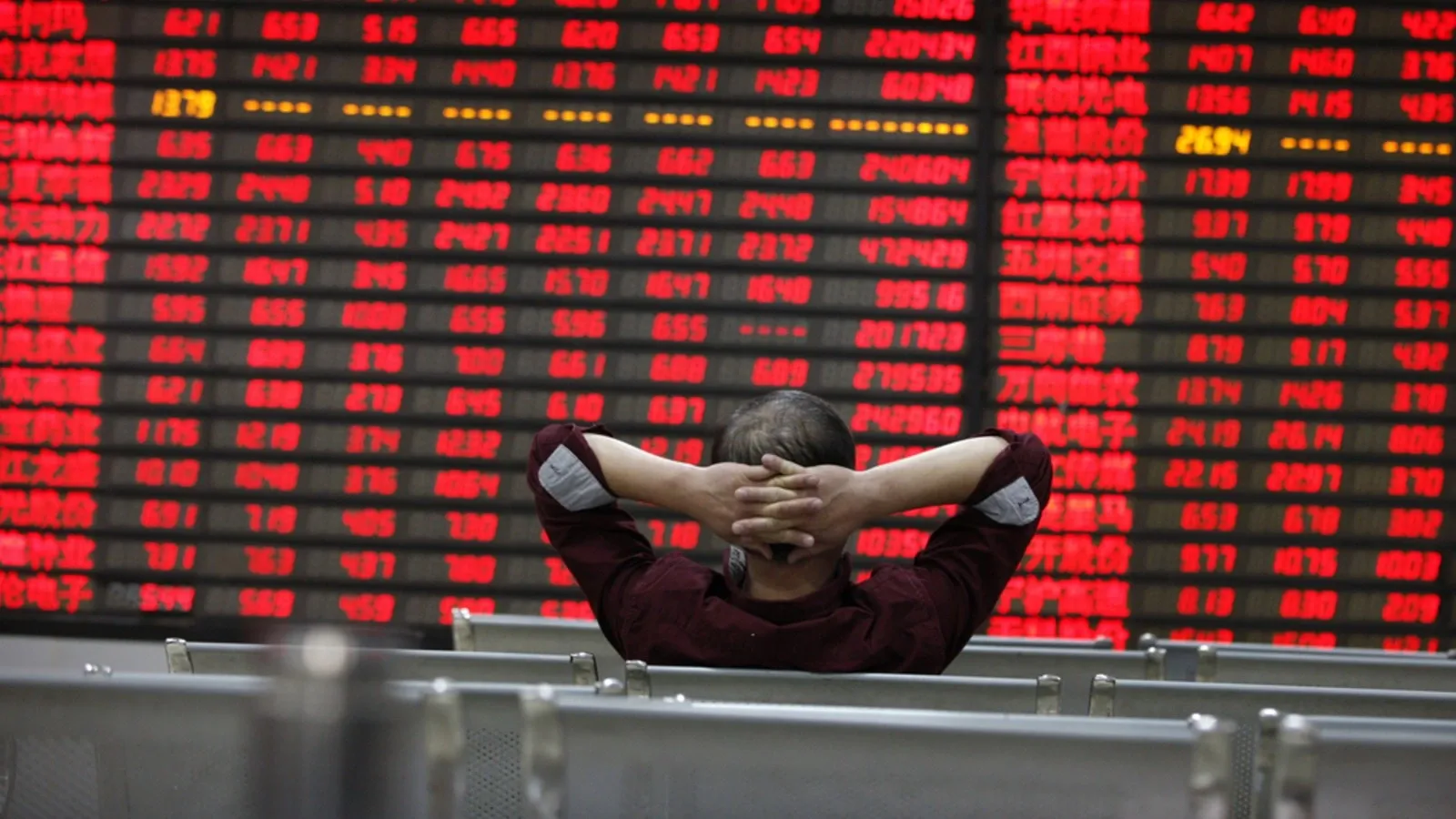
Foreign portfolio investors (FPIs) have pulled ₹3.08 lakh crore out of Indian equities in 2026. | Image: Shutterstock
Foreign portfolio investors (FPIs) have pulled ₹3.08 lakh crore out of Indian equities in 2026. That is nearly double the ₹1.66 lakh crore they took out in all of 2025. And they are still selling.
So a popular argument is doing the rounds. Once this money returns, the market will rally hard. It sounds logical, hopeful even. But can it work out in another way?
If ₹3 lakh crore walking out did not break the market, will its return lead to a meteoric rise? Indian markets have corrected, for sure. Returns over the last 2 years have been abysmal. And yes, the FII outflow is a reason for that.
But that said, outflow of this level should have led to a more serious collapse in the market. That has not happened. India VIX, the market's fear gauge, peaked at 28.90 on March 30. During the COVID crash of March 2020, it touched roughly 86. On October 15, 2026, it was at 14.09.
In that case, why should it be preordained that the same money walking back in will make it soar?
FIIs already came back once this year, and the Nifty barely moved
We don't have to guess what an FPI return looks like. In July and August, FPIs turned net buyers, putting in ₹20,200 crore and ₹29,631 crore, respectively. August was their strongest month of buying in nearly two years.
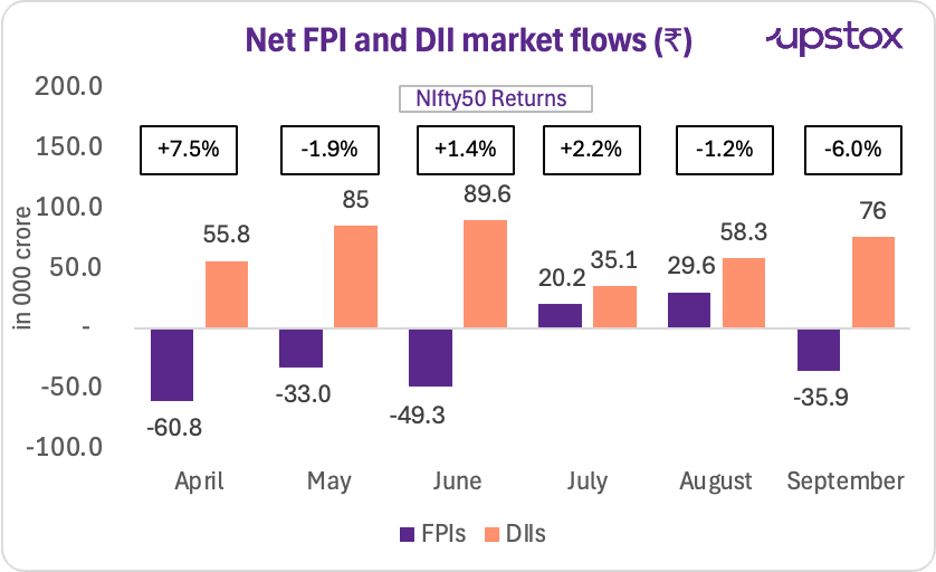
Source: NSDL, NSE
The Nifty rose 2.17% in July. In August, with foreign investors still buying, it fell about 1.2%.
Now look at the grey bars. As foreign selling stopped in July, DII buying dropped to ₹35,099 crore, its lowest in these six months. In September, as FPIs sold again, DIIs bought about ₹76,000 crore. Domestic money is acting like a shock absorber. It works hardest when the road gets bumpy. Shock absorbers don't add speed.
Indian markets saw the same pattern in 2008 - 2012 period
During the 2008 crash, the Nifty fell from about 6,000 to around ~2,500 by October 2008. Indian investors who bought near the top spent years waiting to get their money back. When foreign money poured in, after a couple of years, they used it as an exit.
| Year | FII net buying | DII net selling |
|---|---|---|
| 2012 | ₹1,28,360 crore | ₹56,923 crore |
| 2013 | Over ₹1 lakh crore | ₹73,234 crore |
Source: Business Standard
Many Indian investors today are waiting to break even
Out of 556 mutual fund schemes reviewed, 486 gave negative returns in FY26. With the Nifty down 14.4% this year, anyone who invested in January needs a rise of nearly 17% just to break even.
And how these investors behave is telling. Equity fund redemptions were ₹44,285 crore in August, a calm month in which FPIs were buying. In September, when the Nifty fell 6%, redemptions were lower at ₹36,525 crore. In July, as the market rose, large-cap funds saw net outflows for the first time in about 30 months.
On balance, retail investors have not given up. The SIP stoppage ratio eased to 78.53% in September from 95.46% in May. Sticking with your investments when markets fall is one thing. Sticking with them as markets recover is another. When prices climb back to where many people first invested, the temptation to finally exit is often strongest, even if their original reason for investing hasn’t changed.
Can retail fatigue be a real thing?
The tiredness shows in the data too. In both March and April 2026, more SIPs were stopped or completed than were started. You can hear it in how investors talk. Value Research says one of the most common complaints from newer SIP investors facing their first big correction is some version of “Three years of SIPs and my returns are almost zero.” For someone who started in 2023 or 2024, the market has not yet rewarded their patience. A rally could look less like an opportunity to let money grow and more like the exit they have been waiting for.
Companies are ready with plenty of new shares to sell
There is a second seller in the queue. It is Indian companies themselves. Even this year, FPIs have been buyers in one corner of the market. They sold ₹3.64 lakh crore of shares on the exchanges through 12 October, but put ₹56,485 crore into the primary market, which includes IPOs and other fresh share sales. In September, while the Nifty fell 6%, there were close to 30 mainboard listings.
Think of a Diwali sale. More shoppers walk in, but the shop also brings out more of the old stock. Prices don't jump. When sentiment improves, companies raise more money and promoters sell more of their stakes. That fresh supply soaks up part of the fresh demand.
A quick bounce is possible. A lasting rally needs more than FII money
None of this rules out a sharp move. But a lasting rally needs both groups buying at the same time. So the signals worth watching are simple. Does DII buying hold up in months when FIIs buy? Do fund redemptions jump as the Nifty climbs back towards where it started in 2026? And are company earnings estimates going up?
The ₹3 lakh crore that FPIs pulled out may well come back. But a good part of it could end up in the hands of Indian investors who have been waiting a long time for a chance to get out.
About The Author
Next Story

