
Upstox Originals
China's tunnel-machine curbs: How exposed is India?

5 min read | Updated on November 19, 2026, 16:09 IST

SUMMARY
From 18 November, China will require licences to export tunnel boring machines and their key parts. No Indian project has stalled yet. But the two China-made machines digging the bullet train’s Mumbai tunnel will need spare parts for the next two years or more, and India plans tunnels worth ₹2.5–3 lakh crore over the next decade. So, how exposed is India?
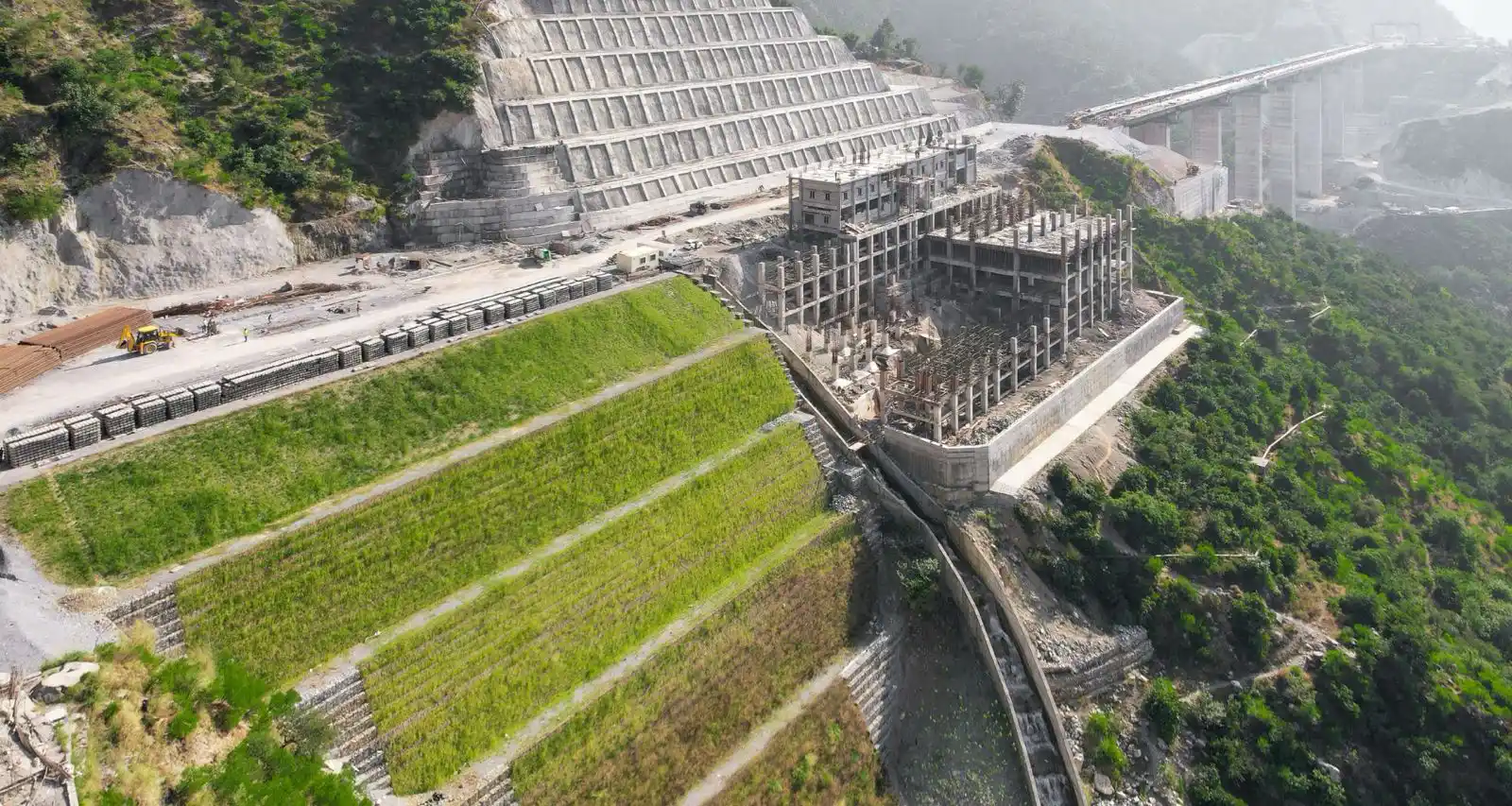
India plans to build tunnels worth ₹2.5–3 lakh crore over the next 10 years. | Image: Shutterstock
India's bullet train project has already seen what can happen when a tunnel boring machine gets stuck in China.
In 2024, two giant machines needed to build the project’s undersea tunnel were held up at a Chinese port for more than a year. These machines, called tunnel boring machines (TBMs), are essentially giant drills that dig through rock to create tunnels for trains and metros.
The machines were built by German company Herrenknecht at its plant in Guangzhou, China. They eventually reached Mumbai in March 2026 and began boring under Thane Creek in July.
Now, there is a new reason to look at that episode.
From 18 November, China will require export licences for TBMs and several of their key parts. That could matter for India, which is building tunnels across the country and still relies on global suppliers for these machines and their components. So, how exposed is India, and particularly the bullet train project, to China’s new curbs?
Has any project stalled? Not yet. No Indian project has reported a delay because of the new rules, which kick in on 18 November.
What is at stake? India plans to build tunnels worth ₹2.5–3 lakh crore over the next 10 years. Each one needs boring machines, and each machine needs a steady supply of spare parts.
Which project is most exposed? The bullet train. It was meant to cost ₹1.08 lakh crore, and its cost estimate has already nearly doubled to about ₹2 lakh crore. Two China-made machines are digging 16 km of its 21-km Mumbai tunnel, under a ₹6,397 crore contract with Afcons Infrastructure. If one of them waits two months for a part, that tunnel falls about 600 metres behind.
Will new projects stall? Less likely. India now buys very little of this machinery from China, about ₹7 crore worth in 2025-26, as more machines are built in Chennai. But anything that still comes from China will need Beijing’s approval, which can take 45 working days or longer.
Why could the curbs hurt India?
- The dependence runs deeper than machine purchases. A TBM is like a printer: buying it is only the first purchase. Its cutting teeth wear out as it digs and need replacing, and the machine is usually overhauled before its next job. China’s new rules cover exactly those parts and that overhaul work. And in 2020, local vendors estimated that nearly 90% of the TBMs working in India had links to China.
- The bullet train’s machines were made in China. So any spare part or repair sourced from there now needs a licence. That risk lands on Afcons Infrastructure, the listed construction company boring this section: if a machine stands idle waiting for a part, the delay is Afcons' project risk and, ultimately, its shareholders' problem, as much as the railways'.
- The timeline has no slack left. Railway Minister Ashwini Vaishnaw has said the first section, Surat–Vapi, is targeted for 15 August 2027, with trains reaching Thane in 2028 and BKC in 2029. The BKC end is the part that depends on these tunnels, the project was originally meant to finish in 2022, and its sanctioned cost is ₹1.08 lakh crore. A one-year parts delay would do to the schedule what the 2024 hold-up did.
- Border tunnels are exposed too. Tunnels in the Himalayas are mostly blasted, not bored, but they use special machines that spray concrete at high altitude, and these are also on China’s list.
Why may the curbs not bite?
The machines that matter most are already here. The replacement supply need not run through China. Herrenknecht says the most important parts of its machines come from Germany. The parts that wear out fastest, like the cutting teeth, are made at its Chennai plant, which also stocks spares and repairs machines. So most spares can come from Germany and Chennai. What is not clear is whether any part can only come from China; neither Herrenknecht nor the railways has said so.
| Project | Where the machines were built | What the curbs could touch |
|---|---|---|
| Bullet train, BKC–Shilphata tunnel | Herrenknecht, Guangzhou | Spare parts and repairs linked to China |
| Chennai Metro Phase 2 | Herrenknecht, Chennai | Limited; all ten machines built in India |
| Mumbai road tunnel | Herrenknecht, Chennai | Limited; key parts come from Germany |
| Himalayan border tunnels | Mostly blasted, not bored | High-altitude concrete-spraying machines |
Source: Herrenknecht disclosures and project details via Swarajya, October 2026
Finally, India's direct dependence has already collapsed. India's imports of tunnelling machinery from China fell from about ₹145 crore in 2022-23 to about ₹7 crore in 2025-26. As Herrenknecht's Chennai unit scaled up: it builds 10–12 metro-sized TBMs a year, made all ten machines for Chennai Metro's second phase, is building two giant machines for a Mumbai road tunnel, and has bought land for a bigger plant.
So, what should we watch?
Three things. Whether India is treated as a licence destination once the rules take effect on 18 November, the first real test. Whether the government clears its proposed incentive scheme of roughly ₹11,000 crore for construction equipment, which names TBMs and could benefit BEML and L&T. And whether Herrenknecht shifts more India-bound production from Guangzhou to Chennai. The machines that matter most have arrived. Keeping them fed is the next test.
About The Author
Next Story

