
Market News
EPL, UFlex, TCPL Packaging: What lies ahead as geopolitical tensions disrupt the packaging supply chain

5 min read | Updated on June 08, 2026, 09:38 IST


SUMMARY
Supply disruptions and heightened risks in the Strait of Hormuz, a key route for global crude oil shipments, have significantly impacted energy markets and triggered volatility across global economies, including India.
Stock list
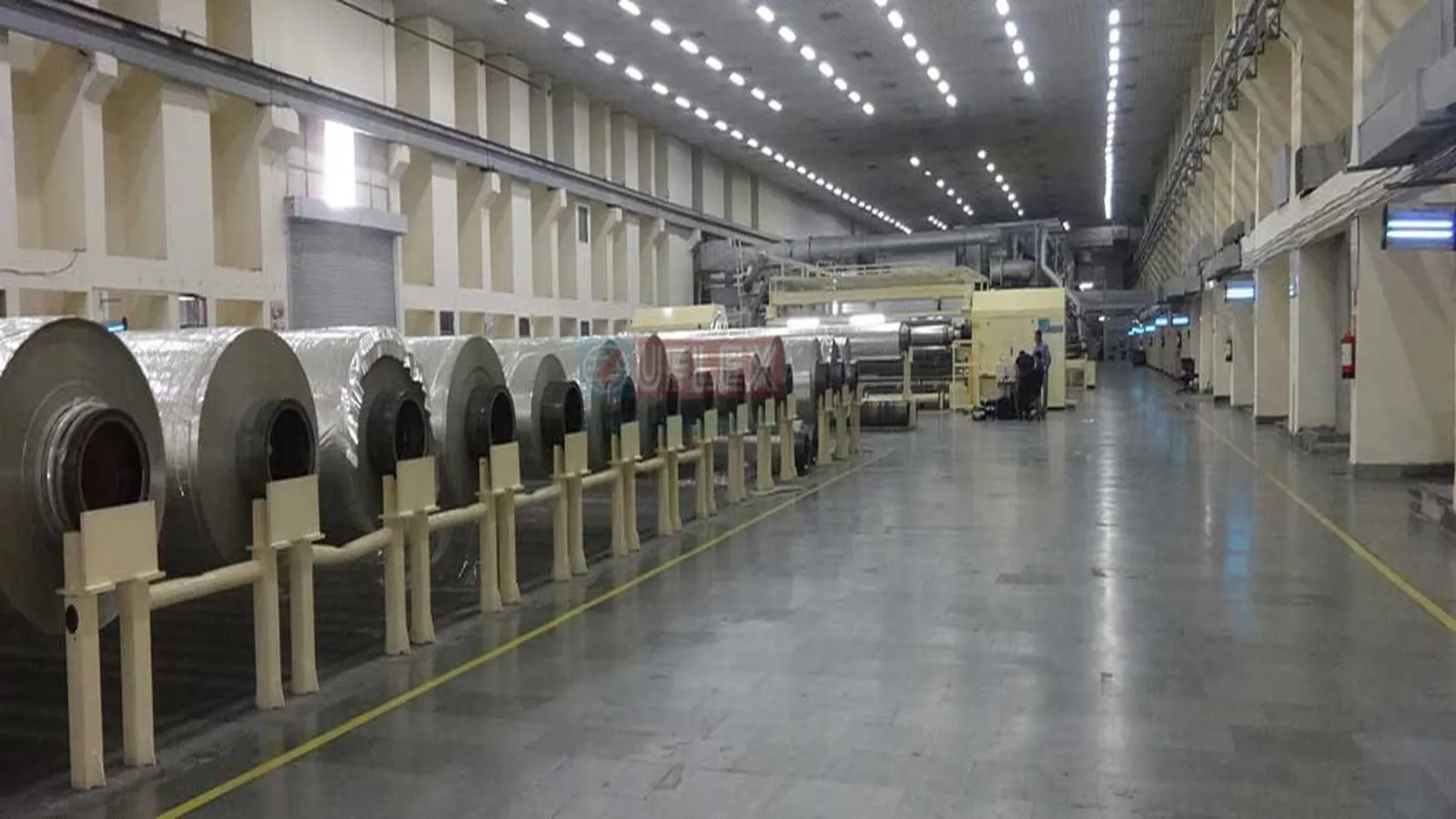
Packaging companies in India, such as UFlex Limited and TCPL Packaging, among others, operate in the flexible and paper packaging space, catering primarily to sectors like FMCG, pharmaceuticals, food and beverages, and consumer goods. Image: Uflex website
The ongoing geopolitical tensions involving Iran, the US, and Israel, which began more than three months ago, have disrupted the global economy in multiple ways.
Supply disruptions and heightened risks in the Strait of Hormuz, a key route for global crude oil shipments, have significantly impacted energy markets and triggered volatility across global economies, including India.
As a result, rising oil prices and supply uncertainties are weighing on multiple sectors, adding to inflationary pressures and economic instability worldwide.
Amid this backdrop, the management of Indian packaging companies has outlined their strategies, key challenges, and outlook for FY26–FY27.
Leading packaging solution providers said they are navigating rising raw material costs, supply chain disruptions, and export uncertainties stemming from the ongoing geopolitical tensions in West Asia, but remain optimistic about stronger growth prospects in FY27 driven by domestic consumption, capacity expansion, and improving product mix.
Packaging companies in India, such as UFlex Limited and TCPL Packaging, among others, operate in the flexible and paper packaging space, catering primarily to sectors like FMCG, pharmaceuticals, food and beverages, and consumer goods.
Their products include plastic films, multilayer laminates, pouches, cartons, and other packaging solutions used for storage, branding, and transportation across industries.
These firms sit in a crucial position within the supply chain, converting raw materials into finished packaging products used by a wide range of end-user industries.
Impact of fluctuations in crude oil prices
Crude oil is not used directly in packaging, but it plays a key indirect role because it is the primary raw material for petrochemicals used in plastic-based packaging materials. Key inputs such as polyethylene, polypropylene, polyester films, and nylon are derived from crude oil.
As a result, fluctuations in crude oil prices tend to directly influence raw material costs for packaging companies. When oil prices rise, petrochemical costs typically increase, which can pressure margins if companies are unable to fully pass on higher input costs to customers.
West Asia crisis
The ongoing geopolitical tensions in West Asia, particularly concerns around the Strait of Hormuz, have added to global crude oil volatility and disrupted supply chains. This has led to higher raw material costs, elevated freight and logistics expenses, and uncertainties in global trade flows.
For Indian packaging firms, this translates into near-term margin pressure and operational challenges, even though underlying demand from FMCG and other consumer-facing sectors remains relatively stable.
What leading firms said
Executives from major listed packaging companies in their latest quarter earnings said the crisis in West Asia has disrupted the availability of key petrochemical-based inputs and increased logistics costs, creating near-term challenges for the industry that serves sectors such as FMCG, personal care, pharmaceuticals, and food products.
EPL Ltd
"The crisis has affected both availability and cost of our key raw materials," said EPL Ltd Managing Director and Global CEO Hemant Bakshi.
The tube-packaging company, formerly known as Essel Propack, is "proactively navigating" the situation with a clear and structured approach, he said, adding that EPL is prioritising supply security for customers while ensuring that higher input costs are passed through.
"More than 50% of our business comes from contractual customers where there is a clear agreement on pass-through. At this point in time, we are very confident that we will be able to manage the cost impact that we will feel through this crisis," he said.
Bakshi added that the company remains focused on sustaining growth momentum in the beauty and cosmetics segment and expanding its presence in high-growth markets despite near-term uncertainties.
UFlex
Flexible packaging major UFlex is also closely tracking the impact of geopolitical developments on margins and costs.
Sumeet Kumar, Executive Vice President (Finance), Uflex Group, said it would be premature to provide a clear estimate of the impact on profitability for the current fiscal year as the situation continues to evolve.
However, Kumar expressed confidence about the industry's long-term outlook, citing rising incomes, changing consumer behaviour and urbanisation trends across key markets.
"The company expects FY27 to perform better than FY26, driven by improved utilisation of recently commissioned capacities, product mix optimisation and additional capacities expected to come online during FY27," Kumar said.
TCPL Packaging
Paperboard and carton packaging manufacturer TCPL Packaging also reported export disruptions in the fourth quarter due to shipping challenges linked to the West Asia conflict.
However, its Executive Director Akshay Kanoria said the company's domestic business continued to perform well, with volume growth outpacing broader consumer market trends in India, helping offset weakness in export markets.
"Shipments were affected by disruptions in West Asia. Post the ceasefire, things have improved with some more vessels sailing, but the situation is highly uncertain and difficult to have any outlook as such," Kanoria said.
Kanoria further added that the company remains optimistic about a recovery in exports if the situation normalises, adding that any rebound could be swift.
On the domestic front, Kanoria said the demand remains healthy, although rising fuel prices, rupee depreciation and broader inflationary pressures could affect consumption trends in coming quarters.
"As of now, we have no problem in terms of demand. We do expect to have a good year for the domestic business as well," the executive director added.
Related News

About The Author
Next Story

