
Market News
RBI's rate hike to extend beyond borrowing costs for credit markets: Here’s what experts said

4 min read | Updated on October 07, 2026, 13:19 IST


SUMMARY
Regarding the MPC announcement, Puja Abhishek Singh, CEO, Manipal Fintech, said that the 25 bps rate hike was widely anticipated and reflected the apex bank’s focus on maintaining price stability amid global economic uncertainties.
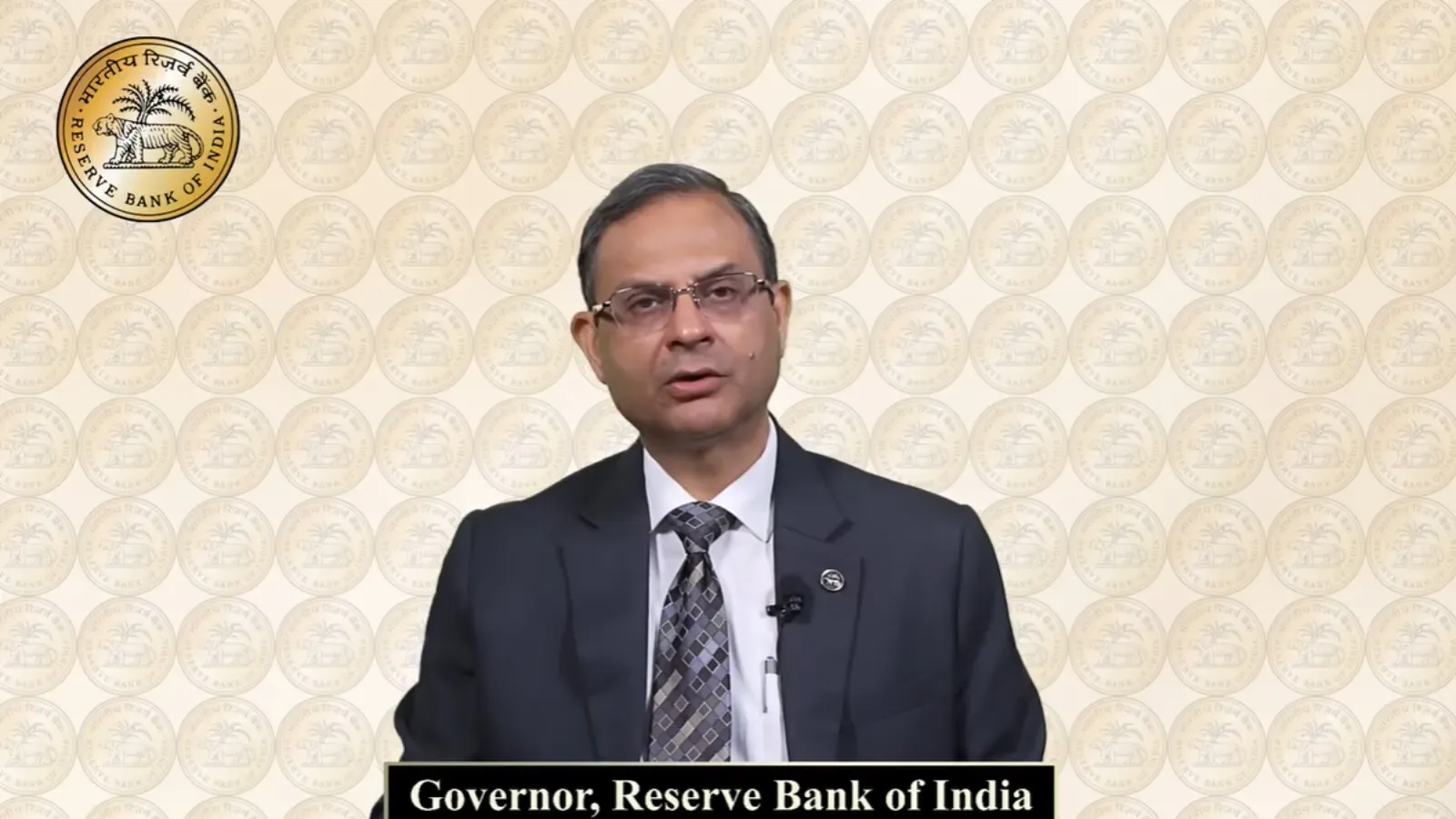
The last repo rate hike was in February 2023, when the RBI raised the rate by 0.25% to 6.50%. | Image: YouTube/RBI
The Reserve Bank of India's (RBI) Monetary Policy Committee (MPC) unanimously decided to raise the policy repo rate by 25 basis points (bps) to 5.5% for the first time since February 2023, at its latest bi-monthly review on Wednesday, October 7.
The six-member MPC, chaired by RBI Governor Sanjay Malhotra, also changed its stance to “calibrated tightening” from "neutral" and also underscored that rate cut is unlikely in the near term given the current conditions.
The last repo rate hike was in February 2023, when the RBI raised the rate by 0.25% to 6.50%. It kept the rate unchanged through 2023-24 before beginning its rate-cut cycle in 2025.
Modest rise in cost of funds for lenders
Regarding the MPC announcement, Puja Abhishek Singh, CEO, Manipal Fintech, said that the 25 bps rate hike was widely anticipated and reflected the apex bank’s focus on maintaining price stability amid global economic uncertainties.
“With geopolitical developments in the Middle East influencing energy prices and the inflation outlook, the policy decision highlights the need for a balanced approach to managing inflation while supporting economic growth,” Singh further stated.
He added that for lenders, including fintechs and NBFCs, the immediate impact of the repo rate hike will be a “modest rise” in the cost of funds.
Furthermore, borrowers with repo-linked loans may see changes in their Equated Monthly Instalments (EMIs) or loan tenures, and deposit rates could also rise as banks adjust to the new rate environment.
“The focus for lenders will be on managing costs while keeping lending rates competitive and ensuring that consumers and small businesses continue to have access to credit,” he further stated.
Does rate hike extend beyond immediate increase in borrowing cost for credit markets?
According to Sandeep Agarwal, CEO & CIO, Modulus Alternatives, the RBI’s 25 bps rate hike, which takes the repo rate to 5.5%, marks an important shift in the interest-rate cycle.
“The move reflects the growing focus on inflation risks amid elevated crude prices, global yields and currency pressures, while India’s underlying growth momentum remains resilient,” Agarwal said.
For credit markets, he stated, the impact will extend beyond the immediate increase in borrowing costs, with a higher-rate environment placing greater emphasis on the quality of cash flows, debt-servicing capacity and the strength of the underlying security.
For private credit, Agarwal added that the rate hike reinforces the importance of disciplined underwriting and structuring, with greater selectivity around businesses that have sound fundamentals and clear visibility on repayment.
“The more important signal from here will be the RBI’s forward guidance and whether this marks the beginning of a broader tightening cycle. For businesses and lenders alike, the ability to navigate the rate cycle with balance-sheet discipline will become increasingly important,” Agarwal added.
Rate hike can support rupee assets
Commenting on the rate hike, Viram Shah, Founder & CEO of Vested, said that the latest rate hike reinforces confidence in price stability and can support rupee assets, adding that the move also widens the gap against the Fed’s upper policy rate to 1.50 percentage points, although oil prices and capital flows will continue to influence the currency.
“Meanwhile, the S&P 500 and Nasdaq have reached fresh record closing highs, followed by Fed Rate hike and optimism around AI and corporate earnings. This highlights how dynamics across markets can evolve differently, even amid shared macroeconomic challenges,” Shah added.
Related News

About The Author
Next Story

