
Business News
Trump sets phased generic drug tariffs, 200% duty for firms that don't shift to US
.png)
3 min read | Updated on July 22, 2026, 10:07 IST


SUMMARY
Under the plan, generic drugs imported into the US will face zero tariffs from August 1, 2026, for two years.
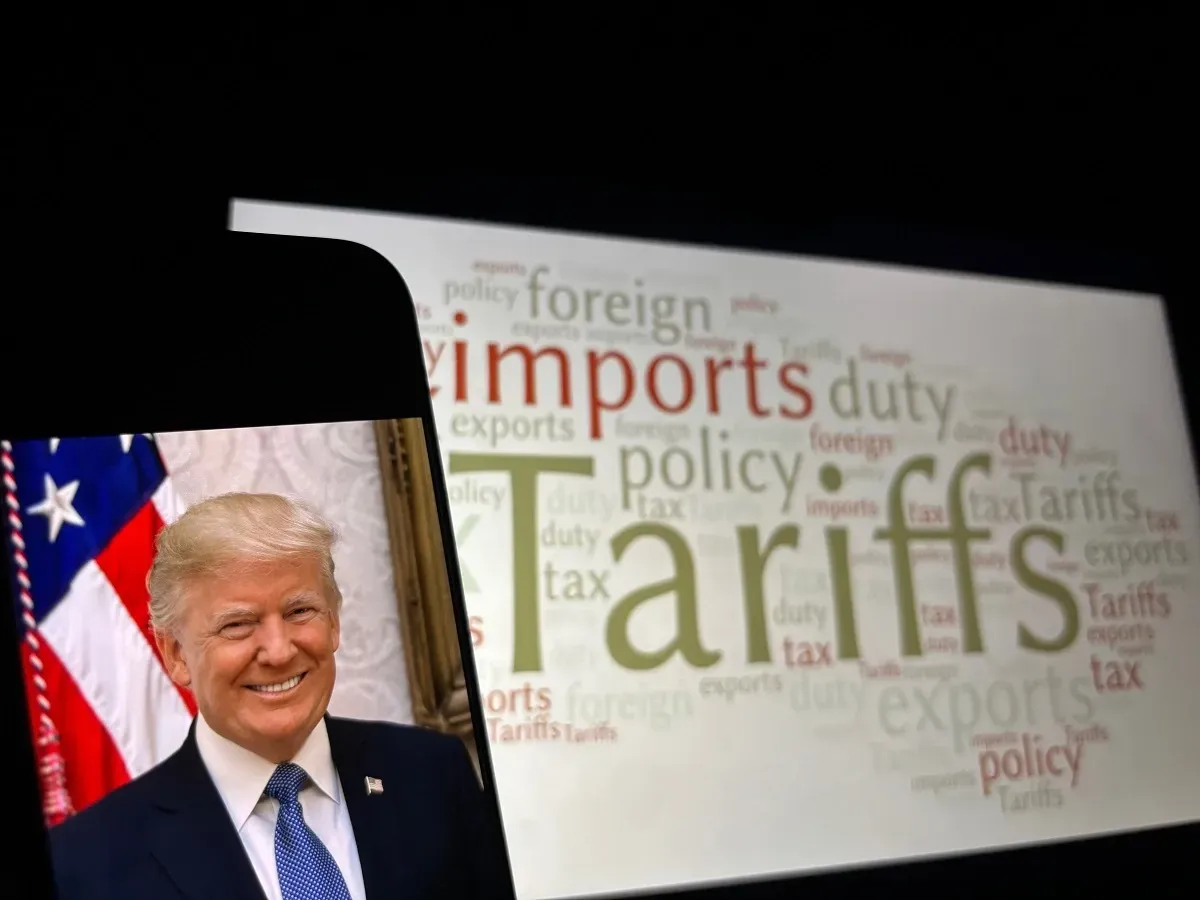
The proposed tariff regime could have significant implications for India’s pharmaceutical sector.
US President Donald Trump on Tuesday announced a phased tariff regime for imported generic medicines that will leave them duty-free for two years before imposing steep levies to force pharmaceutical companies shift manufacturing to America.
In a post on his Truth Social platform, Trump said all generic drugs imported into the United States would continue to face zero tariff beginning August 1, 2026, for two years.
The tariff would then increase to 100% for one year and 200% thereafter for companies that do not move manufacturing to the US.
Trump said the phased structure is intended to "RESHORE Generic Pharmaceutical Production into America," adding that companies that fail to build plants and equipment in the United States within the transition period would face the higher tariffs.
"The objective of this Policy is to protect the people of the United States," Trump wrote.
Trump administration imposed a 100% tariff on patented pharmaceutical products and ingredients under a Section 232 national security investigation on April 2.
At that time, generic drugs, biosimilars and related ingredients were exempted.
The administration also provided implementation periods of 120 days for larger drugmakers and 180 days for smaller companies that rely on contract manufacturers before those tariffs took effect.
The administration has combined its tariff strategy with its "most favoured nation" drug pricing policy, which ties US medicine prices to lower prices in other wealthy countries.
More than a dozen drugmakers, including Eli Lilly, Pfizer and Novo Nordisk, have reached agreements with the administration under that policy, securing three-year exemptions from pharmaceutical tariffs in exchange for lowering prices of certain medicines in the US.
The latest tariff plan raises the stakes for India's pharmaceutical industry, which supplies nearly half of the generic medicines used in the United States.
The US market accounts for roughly one-third of India's pharmaceutical exports, much of it consisting of lower-cost generic drugs.
India's pharmaceutical industry is the world's third largest by production volume and 11th largest by value.
It comprises about 3,000 drug companies and more than 10,500 manufacturing units, employs an estimated 2.7 million people directly and indirectly, and hosts the largest number of US Food and Drug Administration-compliant pharmaceutical plants outside the United States.
China, meanwhile, remains a dominant supplier of active pharmaceutical ingredients used in many medicines manufactured around the world.
Trump said the policy would encourage pharmaceutical companies to invest in US manufacturing, adding that drug production facilities are already being built across the country “at a level never seen before.”
Related News
About The Author
Next Story

