
Business News
No decision yet to raise ethanol blending in petrol beyond 20%: Govt

3 min read | Updated on July 21, 2026, 09:46 IST


SUMMARY
The government also ruled out introducing non-blended or lower-blend petrol at select fuel stations.
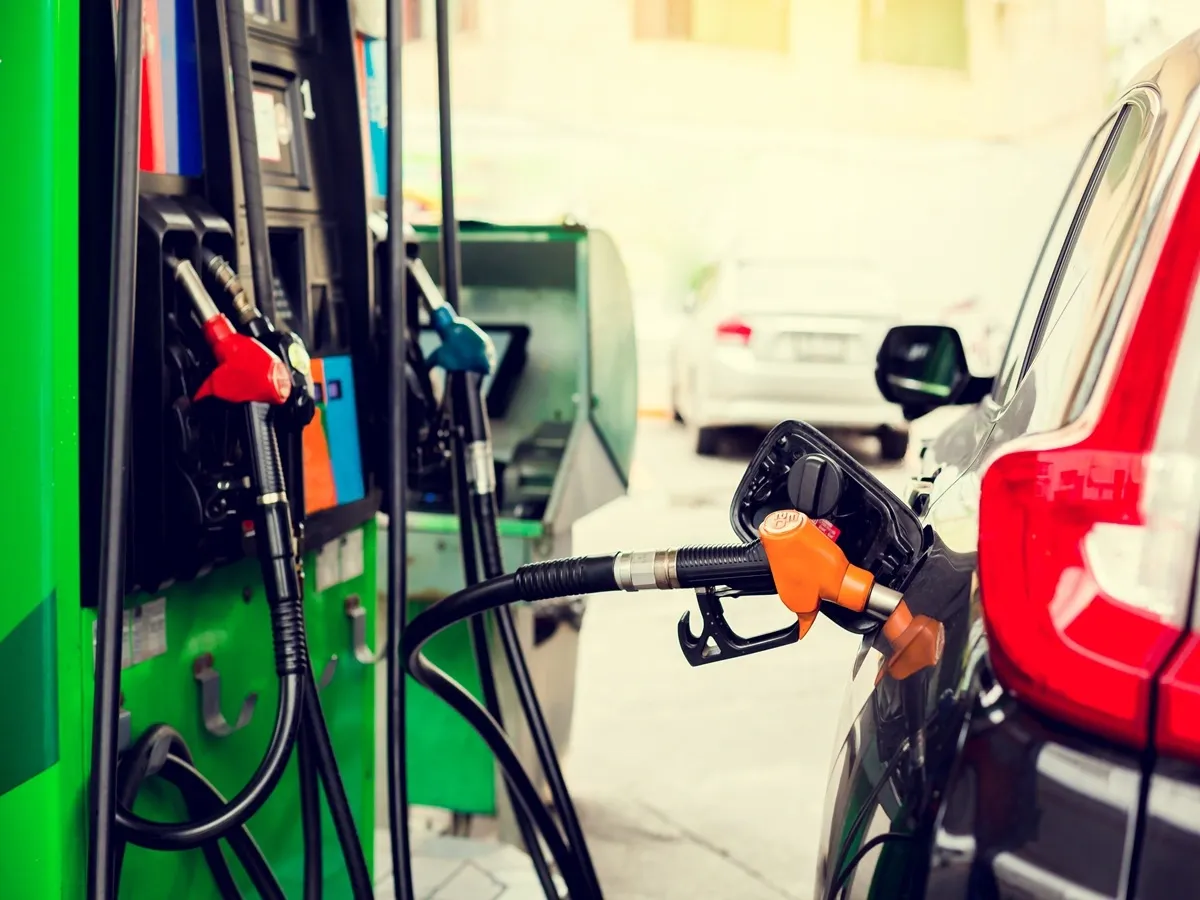
The government insists that E20 offers better acceleration, lower emissions, and supports farmers while saving foreign exchange.
The government has not yet decided to increase ethanol blending in petrol beyond 20%, the Parliament was informed on Monday.
In a written reply to the Rajya Sabha, Minister of State for Petroleum and Natural Gas Suresh Gopi said any future decision on higher blends will be taken only after detailed scientific and technical studies and consultations with stakeholders.
“So far, no decision has been taken by the Government for increasing ethanol blending with petrol beyond 20%,” Gopi said.
There was also no proposal to mandate the availability of non-blended or lower-blend petrol at select retail outlets, he added.
The minister said India's transition to E20 has been gradual, with ethanol blending rising from about 1.53% in 2013-14 to 20% in 2025-26 after scientific evaluation and consultations with automobile manufacturers, oil marketing companies and research institutions.
Responding to concerns over the impact of E20 fuel on vehicles not designed for the blend, Gopi said extensive laboratory tests, durability trials and field validation were conducted before each increase in blending levels.
“These included laboratory testing, durability trials and field validation covering engine durability, material compatibility, fuel systems, corrosion resistance, drivability, emissions, fuel efficiency and overall vehicle performance,” he said.
The minister said more than 20 crore two-wheelers and over 3 crore petrol cars, including many older vehicles manufactured before E20 certification, have been using E15+ and E19-E20 fuels for years without any verified evidence of widespread engine failure or vehicle breakdown attributable to ethanol blending.
Manufacturer service data also showed no higher incidence of damage linked to E20 fuel, he added.
On fuel efficiency, the minister said mileage is influenced more by driving habits, tyre pressure, servicing and air-conditioner usage than fuel type.
“Any reduction in fuel economy in certain older E10-designed vehicles is generally limited to about 3-5%,while E20 offers a higher octane rating, superior anti-knock characteristics, cleaner combustion and smoother engine operation,” he added.
The government said public sector oil marketing companies procured 679.04 crore litres of ethanol worth ₹48,757.01 crore in 2023-24, 1,033.31 crore litres worth ₹73,996.48 crore in 2024-25, and 705.43 crore litres worth ₹49,577.36 crore up to June in the 2025-26 ethanol supply year.
As many as 501 ethanol suppliers are registered with the three companies.
The minister said maintaining parallel nationwide supply chains for lower-blend petrol would increase logistics complexity and costs while reducing the environmental, energy security and farmer welfare benefits of the Ethanol Blended Petrol Programme.
The government's objective, he said, is to continue with a scientifically validated transition to cleaner fuels rather than revert to lower blends.
About The Author
Next Story

