
Business News
'No UPI Day' on Oct 2: What is it and who'll be impacted? 5 things to know
.png)
4 min read | Updated on September 28, 2026, 14:53 IST


SUMMARY
The All India Mobile Retailers Association (AIMRA) said the charge could raise costs for retailers operating on thin margins and estimated an additional burden of around ₹40 crore a month across the sector.
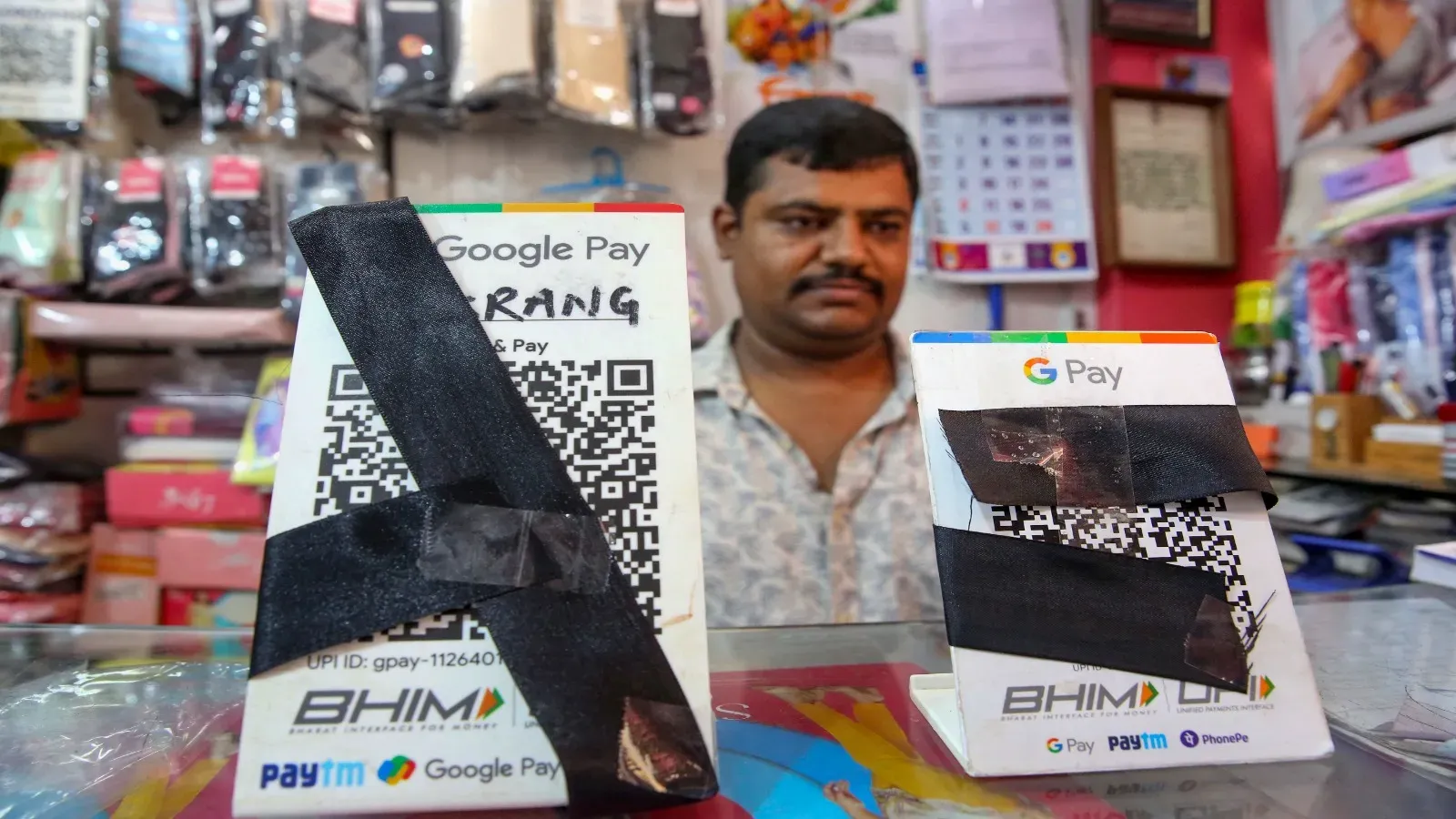
A shopkeeper covers QR codes with black ribbons in the wake of the implementation of Merchant Discount Rate (MDR) for UPI transactions, in Bhopal, Wednesday, Sept. 23, 2026. (PTI Photo)
Mobile phone retailers across India will observe October 2 as "No UPI Day" to protest the government's decision to introduce a Merchant Discount Rate (MDR) on UPI transactions.
"The All India Mobile Retailers Association (AIMRA) has called for a 'NO UPI DAY' on October 2, 2026, to highlight the concerns of mobile retailers regarding the 0.4% Merchant Discount Rate (MDR) applicable to eligible merchant UPI transactions," AIMRA Vice President and President for Delhi NCR region, Tarvinder Singh, said in a statement.
The protest comes ahead of the new MDR framework, which will take effect from October 15.
Here is what the new UPI charge framework means and who will be affected:
What is the new UPI charge?
Under the revised framework, a 0.4% MDR will be imposed on specified person-to-merchant (P2M) UPI transactions above ₹2,000.
The charge will be capped at ₹300 per transaction.
MDR is the fee associated with processing a digital payment and is generally paid by the merchant side of a transaction.
Will customers have to pay for UPI?
The new MDR is not being imposed on person-to-person (P2P) UPI transfers.
P2M transactions of up to ₹2,000 will also remain outside the MDR framework.
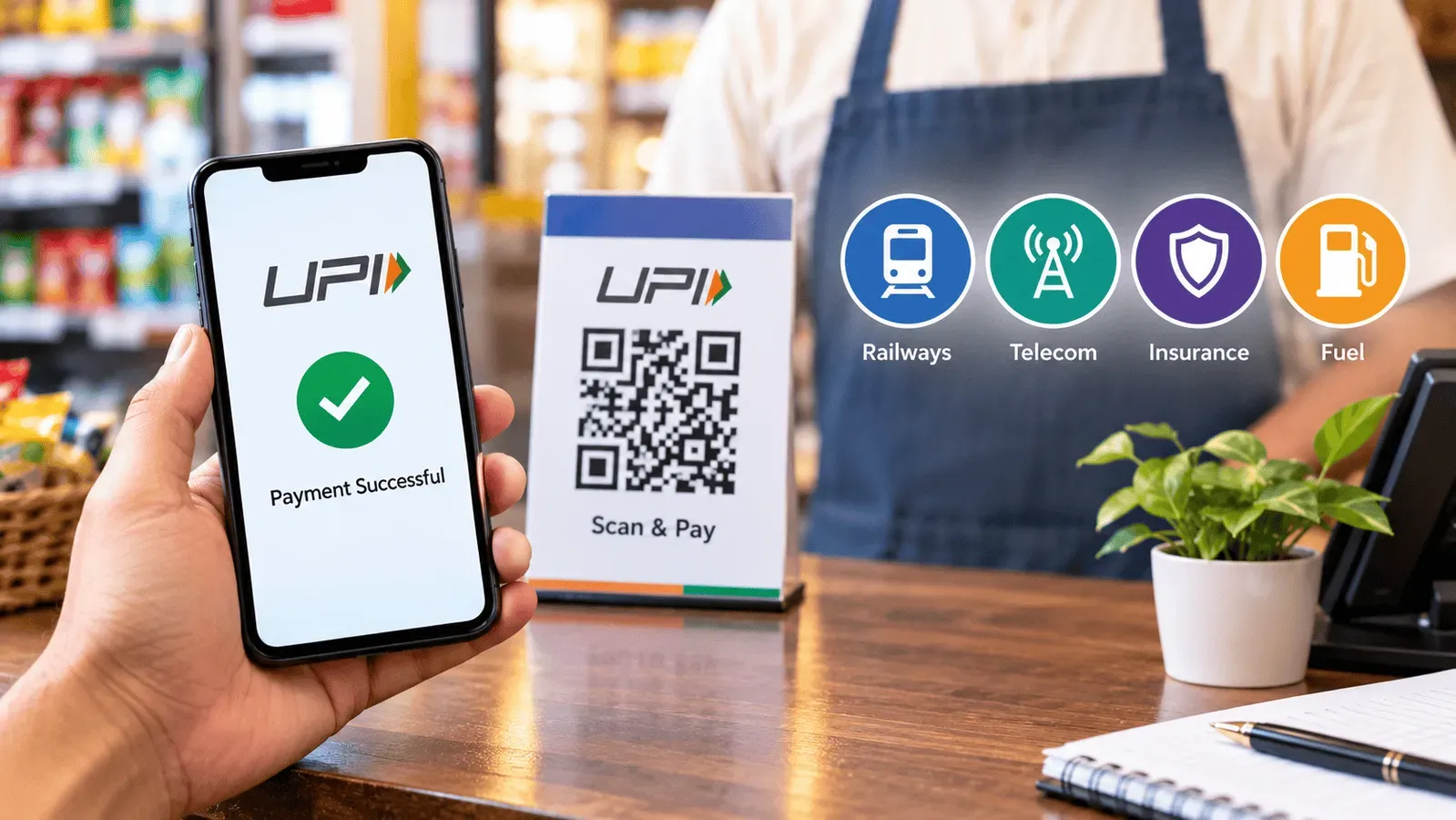
A flat ₹5 charge will apply to transactions above ₹2,000 in select sectors such as railways, telecommunications, insurance and fuel.
The government has said the revised framework affects only about 4% of merchant transactions, leaving around 96% of P2M transactions unaffected.
Payments involving mutual funds, securities, stockbrokers and dealers will attract a lower MDR of 0.02%, capped at ₹300 per transaction.
Small merchants receiving up to ₹1 lakh a month through UPI QR payments under the person-to-person-merchant (P2PM) category will continue to pay zero MDR.
While merchants cannot pass MDR charges on to buyers, it is a grey area. A merchant that absorbs the MDR takes a small hit to its margin; one that adjusts prices or changes payment incentives could indirectly shift some of the cost.
Why are mobile retailers protesting?
AIMRA said the new MDR would increase costs for mobile retailers, who often operate on thin margins.
AIMRA Vice President and Delhi NCR President Tarvinder Singh said the association's concern was not with UPI or digital payments, but with the additional financial burden on merchants.
According to a representation submitted by AIMRA to Finance Minister Nirmala Sitharaman, a small retailer processing ₹5 lakh to ₹30 lakh a month through UPI could face an additional monthly cost of ₹2,000 to ₹12,000.
The association estimates that the 0.4% MDR could impose a burden of around ₹40 crore a month, or nearly ₹500 crore annually, on small mobile retailers across India.
AIMRA has demanded that UPI merchant payments continue under a zero-MDR structure.
What is 'No UPI Day'?
As part of its protest, AIMRA has called October 2 "No UPI Day".
Retailers participating in the campaign are expected to cover their UPI QR codes with black cloth and stop accepting UPI payments for the day.
The association says the move is intended to draw attention to the cost implications of MDR for merchants rather than oppose UPI or digital payments.
What has the Supreme Court said?
The Supreme Court on Monday refused to grant an interim stay on the Centre's decision to impose MDR on specified UPI P2M transactions above ₹2,000.
A bench headed by Chief Justice of India Surya Kant and Justices Joymalya Bagchi and V Mohana sought responses from the Centre, the Reserve Bank of India and other respondents on a petition challenging the decision.
The respondents have been directed to file their counter affidavits within four weeks.
Additional Solicitor General N Venkataraman, appearing for the Centre, told the bench that 96% of people using the payment gateway were exempt from the new framework.
"It is less a legal and more a technical issue," the bench observed.
The petition was filed by advocate Anjan Datta.
The petitioner's counsel sought a stay on the new charges until the responses were filed, but the bench declined to grant interim relief.
Related News

About The Author
Next Story

