
Business News
India has no sugar shortage, retail prices to come down: ISMA

4 min read | Updated on August 24, 2026, 16:40 IST


SUMMARY
Indian Sugar Mills Association (ISMA) President Niraj Shirgaokar said the prices have risen due to various factors, including speculative buying by traders and bulk consumers as well as lower production because of the bad weather conditions.
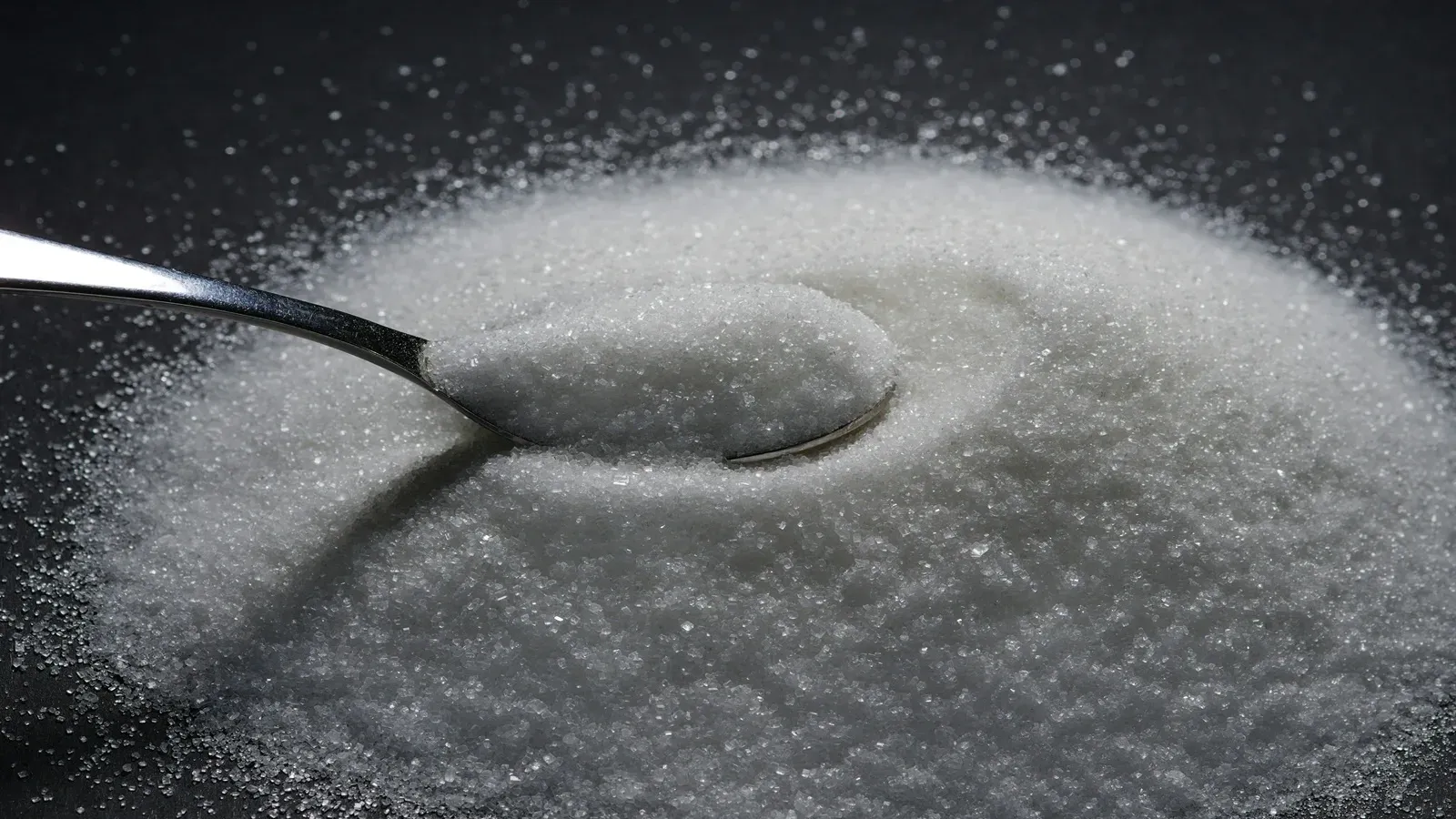
The ISMA president also categorically said that mills were not involved in creating artificial scarcity and jacking up the ex-mill prices. Image: Unsplash
India does not face any sugar shortage and has adequate stocks to meet domestic and festive-season demand, industry body ISMA said on Monday amid the sharp rise in prices.
Indian Sugar Mills Association (ISMA) President Niraj Shirgaokar said the country's sugar production and stock position remained “fundamentally comfortable” and there was no need for panic buying.
“India does not have a sugar shortage. Our production and stock position remain fundamentally comfortable,” Shirgaokar said at a press conference.
He said the recent increase in sugar prices was a “short-term issue of market sentiment” ahead of the festive season and not a structural supply problem.
For 2025-26, net sugar production is estimated at around 279 lakh tonnes, while closing stocks are projected at roughly 35 lakh tonnes, Shirgaokar said.
“That is a healthy buffer against normal domestic demand, even after accounting for the sugar which is diverted to ethanol,” he said.
Shirgaokar said sugar prices had risen from around ₹48 per kg in July to ₹55-56 per kg in August, an increase of about 16%.
The domestic production estimate was revised to around 309 lakh tonnes from the initial projection, mainly because of weather-related effects, lower cane yields and lower recovery, including a higher crush rate in Maharashtra and red rot-related varietal issues in Uttar Pradesh, he said.
Meanwhile, festival-season buying has picked up and global sugar prices have risen amid lower estimated production in Brazil.
Global prices increased from around $474 per tonne in June to about $552 per tonne in August, Shirgaokar said.
But he identified speculative stocking as the “largest contributor” to the recent price rise.
He said some bulk buyers who normally procure sugar on a just-in-time basis had started stocking supplies one-and-a-half to two months in advance.
“That behaviour has pulled sugar out of circulation, and it stays in the godowns, creating an artificial tightness, which has nothing to do with actual availability,” he said.
Shirgaokar said stocks available as of August 1 were sufficient to meet demand for almost three-and-a-half months.
“We are in the month of August right now. As of August 1st, there were almost three and a half months of stock available, so there's no need to actually panic this month,” he said.
On the government's decision to allow duty-free imports of 10 lakh tonnes of raw sugar ahead of the September-October festive season, Shirgaokar said the move was aimed at stabilising market sentiment rather than addressing a shortage.
“This is a proactive precautionary step, not a corrective one,” he said.
The duty-free imports would provide an additional supply option and, according to Shirgaokar, add roughly 25-29% to the projected closing-stock cushion.
He said the measure would also help remove the “speculative risk premium” that had built into sugar prices.
“This measure is not an admission of a shortfall. Its role is to stabilise the current sentiments,” Shirgaokar said.
He said the prices have started to ease following the government's decision to allow duty-free imports of 1 million tonnes of raw sugar.
The government has also imposed a 15-day stockholding limit on bulk consumers using more than 10 tonnes of sugar a month as part of measures to curb speculative stocking and prevent artificial scarcity.
The Centre has rejected claims that diversion of sugar for ethanol production was responsible for the recent price surge.
“It is incorrect to attribute the recent increase in sugar prices to diversion of sugar for ethanol production,” the government said.
According to the government, the share of sugar diverted for ethanol has declined from around 12% in 2022-23 to around 9% in 2025-26.
“Moreover, nearly three-fourths of the ethanol produced in the country now comes from grains, particularly maize,” it said.
Shirgaokar said the industry's assessment was that the current price pressure would ease as speculative stocking unwinds and additional supplies become available.
Related News
About The Author
Next Story

